Block letters as copy-ready AI prompts: hollow outline capitals to print and colour, solid squared-off blocks, 3D extruded blocks, varsity twill, stencil and graffiti blocks. These are prompts, not font files: type your word, copy, and paste into ChatGPT or Gemini, or generate it right away on FontVibe.
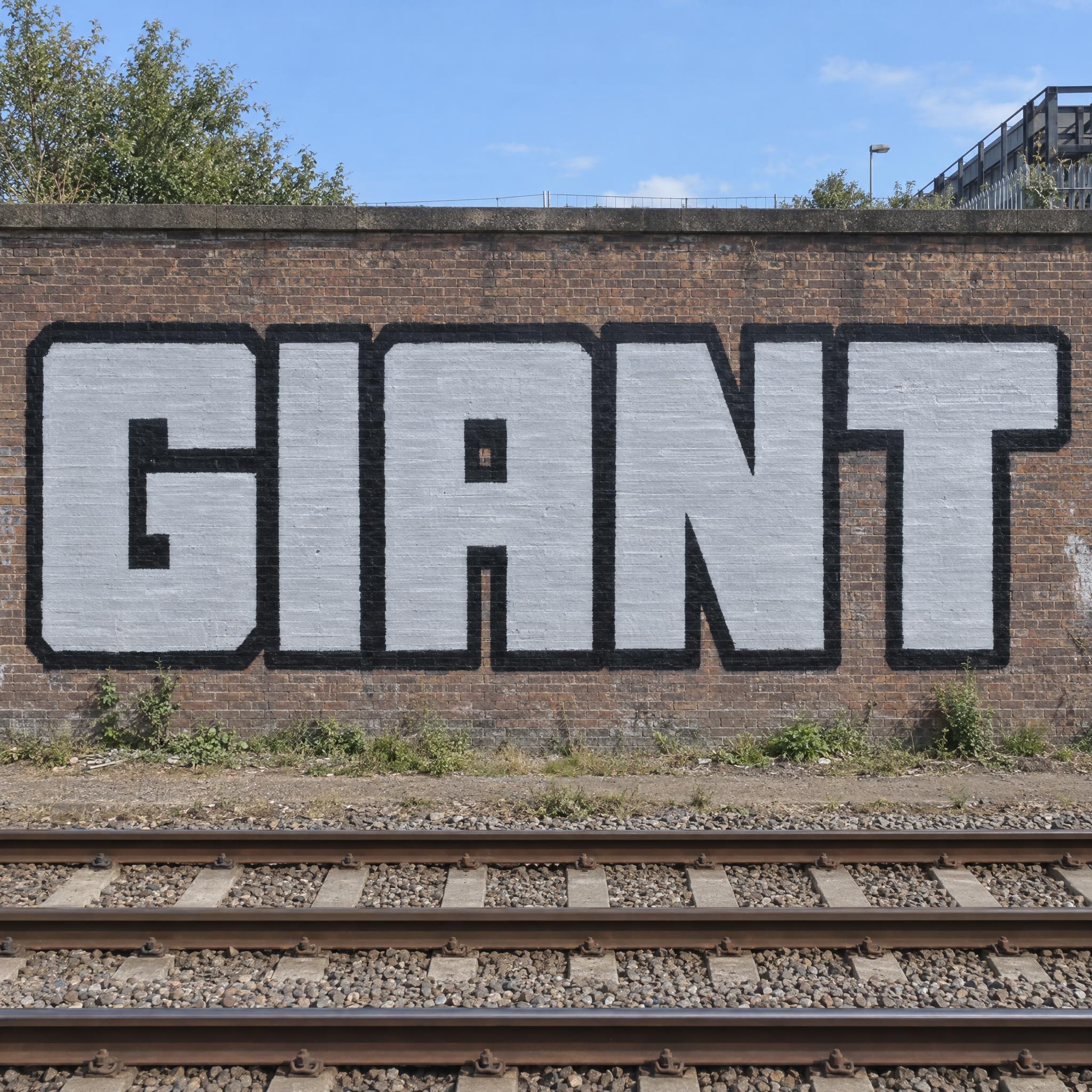
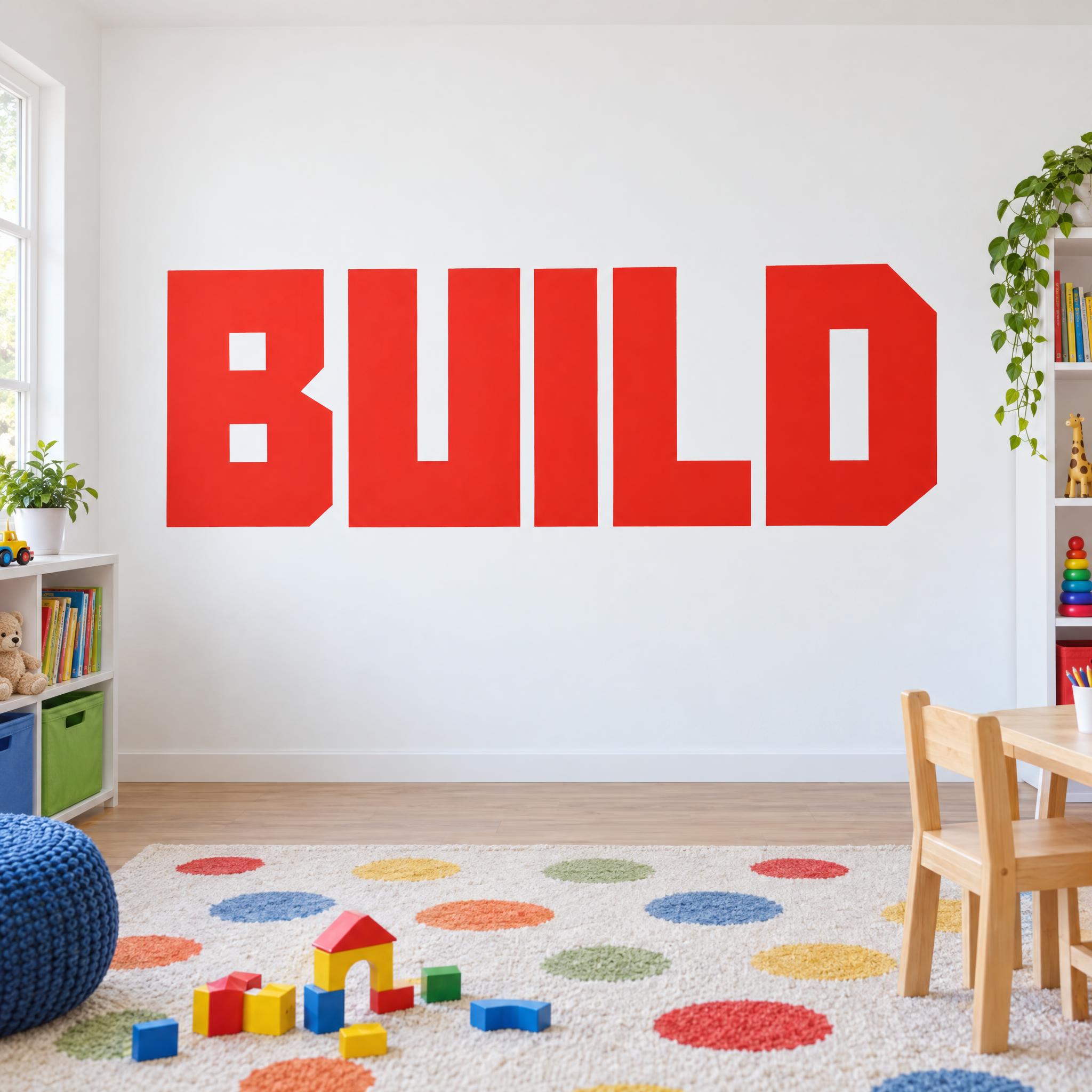
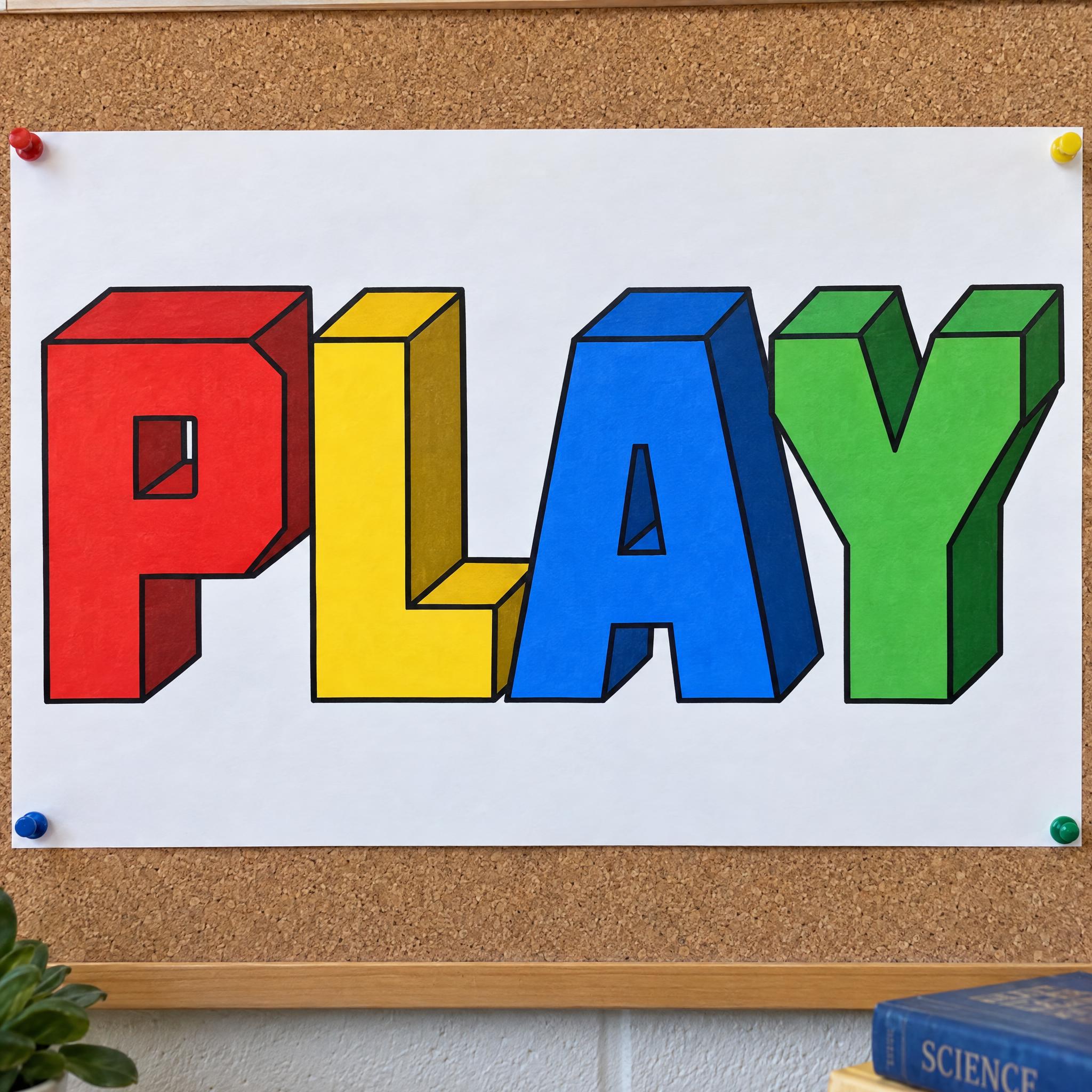
Type your word, copy the full prompt and paste it into ChatGPT, Gemini or any image model.
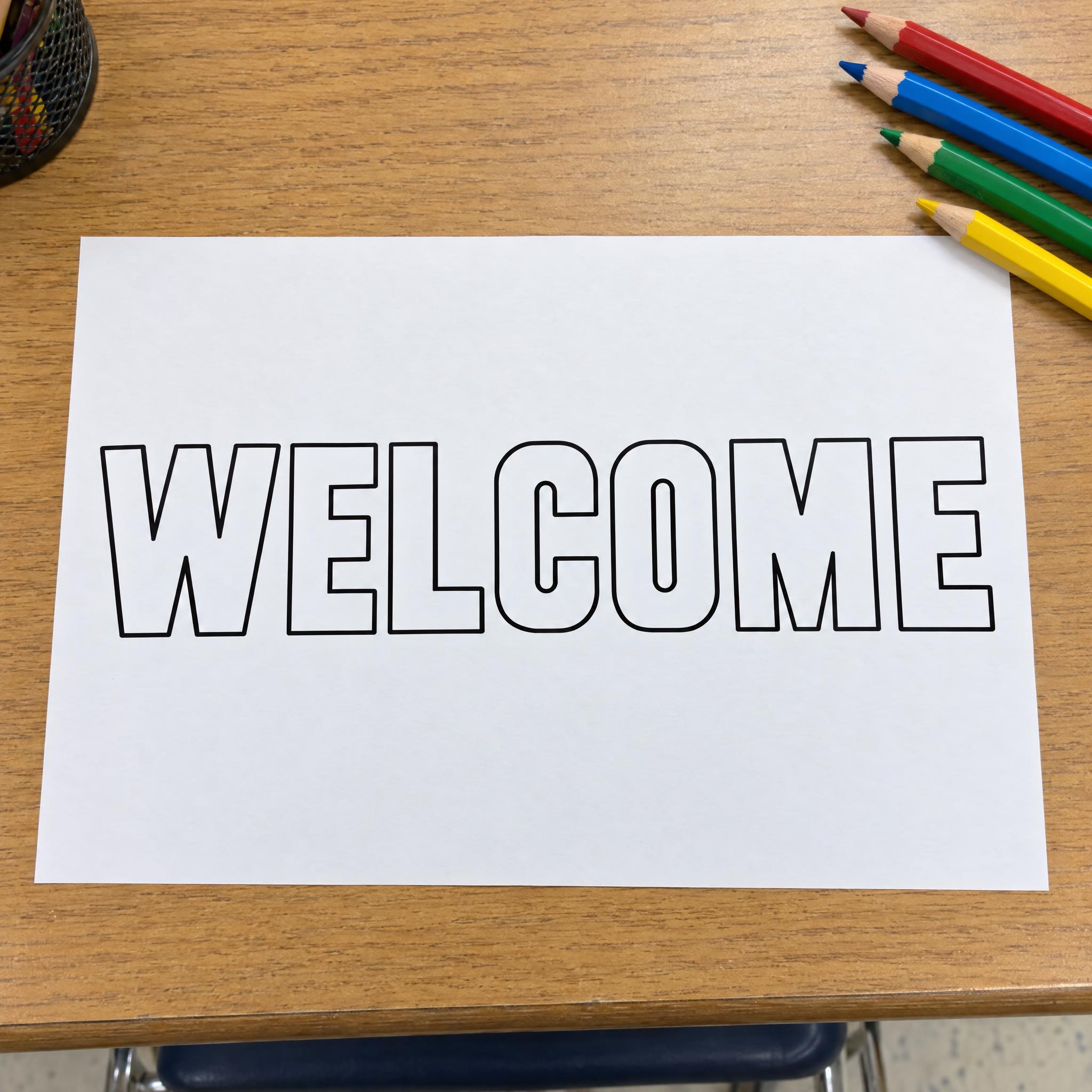
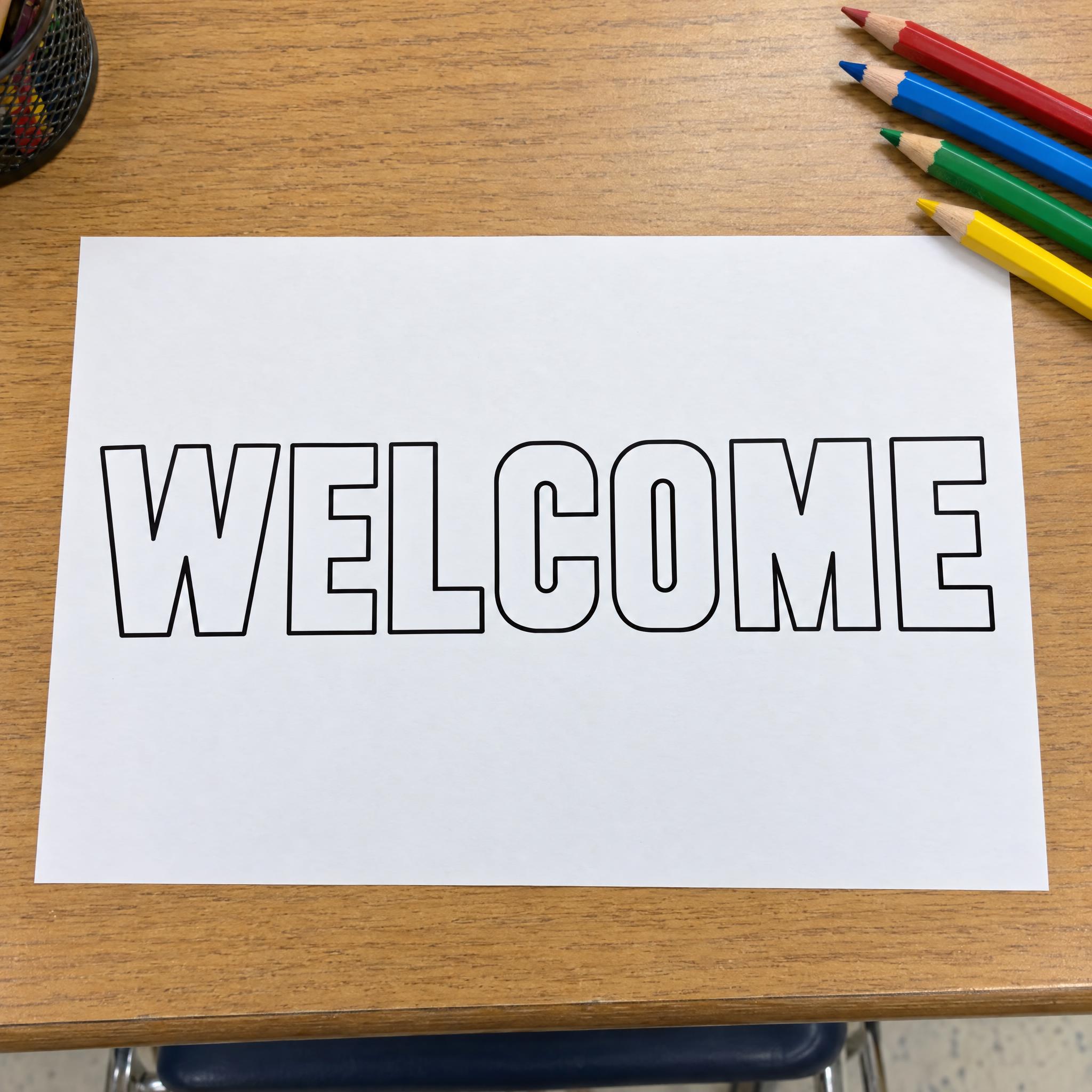
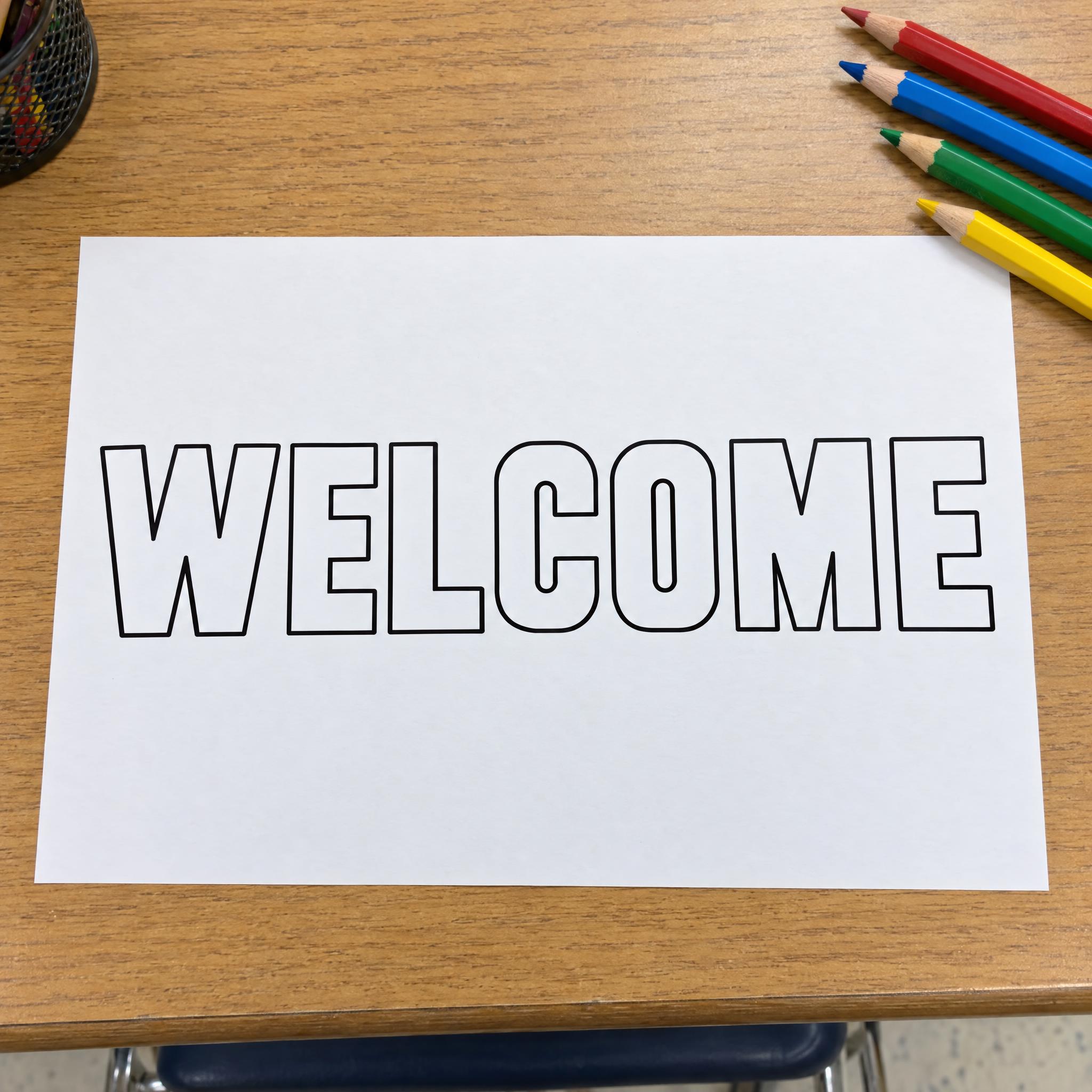
TextWrite the word "WELCOME". Spell it exactly as written, without adding or changing any letter.
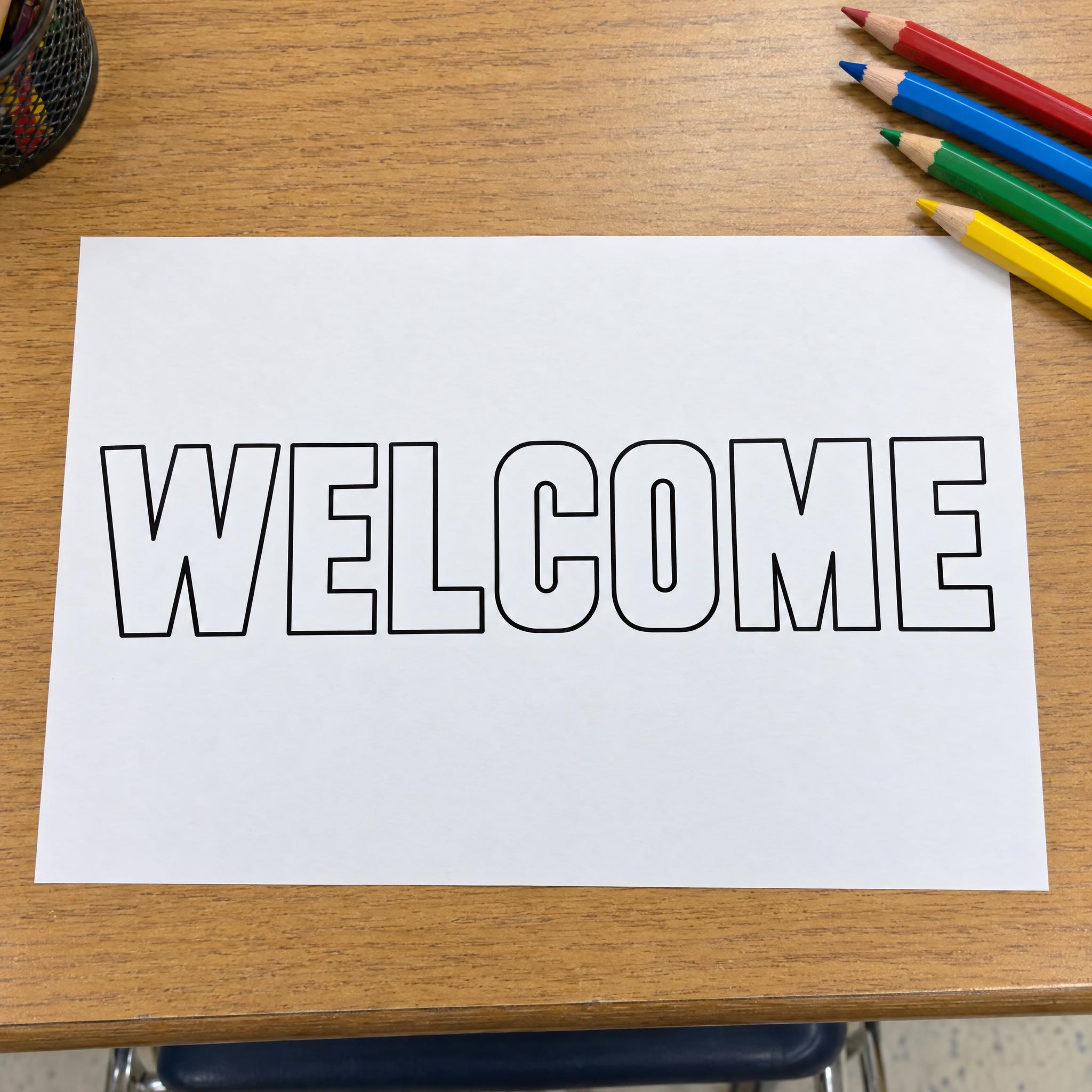
Font designBlock letter outlines: chunky, upright sans-serif capital letters with square corners, straight sides and thick strokes of even width, evenly spaced; every letter reads at a glance. Each letter is hollow: one smooth line of even thickness traces its outer edge and the edges of its holes, and the inside is left empty, ready to be coloured in or cut out. The outline is solid black and the inside is plain white paper. Flat like a printed template, with no shadow or 3D depth.
ScenePrinted on a sheet of white paper on a classroom desk beside a few coloured pencils, no other text; the word is centered, large and clearly readable.
Open one for the prompt and real results on each image model.
Tested October – November 2026. First attempts from our test ledger: 285 images, 8 fonts, 7 languages, each one checked by eye.
How to read it: 47 / 55 means 55 images tested and 47 spelled the word right on the first try; the percentage is that share. The Latin, Chinese / Japanese and Arabic columns split the same count by the script of the word.
| Model | Right first time | Latin | Chinese / Japanese | Arabic | Most common issue |
|---|---|---|---|---|---|
| GPT Imagegpt-image-2.5-sunburst · xhigh | 100% 57 / 57 | 100% 32 / 32 | 100% 17 / 17 | 100% 8 / 8 | Text in the background |
| Nano Bananagemini-nano-banana-2.1 | 100% 58 / 58 | 100% 32 / 32 | 100% 17 / 17 | 100% 9 / 9 | None recorded |
| Seedreamdola-seedream-5-0-pro-260628 | 85% 47 / 55 | 84% 27 / 32 | 88% 15 / 17 | 83% 5 / 6 | Extra letter |
| Grok Imaginegrok-imagine-image-2.0 · medium | 88% 50 / 57 | 88% 28 / 32 | 100% 17 / 17 | 63% 5 / 8 | Style drifted |
| Qwen-Imageqwen-image-3.0-pro | 71% 41 / 58 | 88% 28 / 32 | 59% 10 / 17 | 33% 3 / 9 | Unreadable letters |
How we test: images are made through FontVibe with each model’s API, sending the prompt as is; we count only each model’s first image for every font and language and check the spelling by eye. Apps such as ChatGPT may rewrite prompts, so results there can differ. For the full data, email [email protected].
Block letters are thick, plain capitals of even weight, each letter standing on its own. The prompts on this page build them in layers: the letter skeleton, whether the inside is filled or empty, what happens to the curves, any depth or material, and a scene that shows what the letters are for. The examples are quoted word for word from the prompts of the fonts on this page.
Ask for capitals, square corners, straight sides and one stroke width in a single phrase. Those words keep the model away from bubble and script shapes.
“chunky, upright sans-serif capital letters with square corners, straight sides and thick strokes of even width” — Printable Block Letters
For a sheet to colour in or cut out, the inside has to stay empty. Name the single line, its thickness and what it traces, holes included.
“one smooth line of even thickness traces its outer edge and the edges of its holes, and the inside is left empty” — Printable Block Letters
Classic block letters keep a round O. For a toy-like, blockier look, tell the model to turn every curve into straight lines.
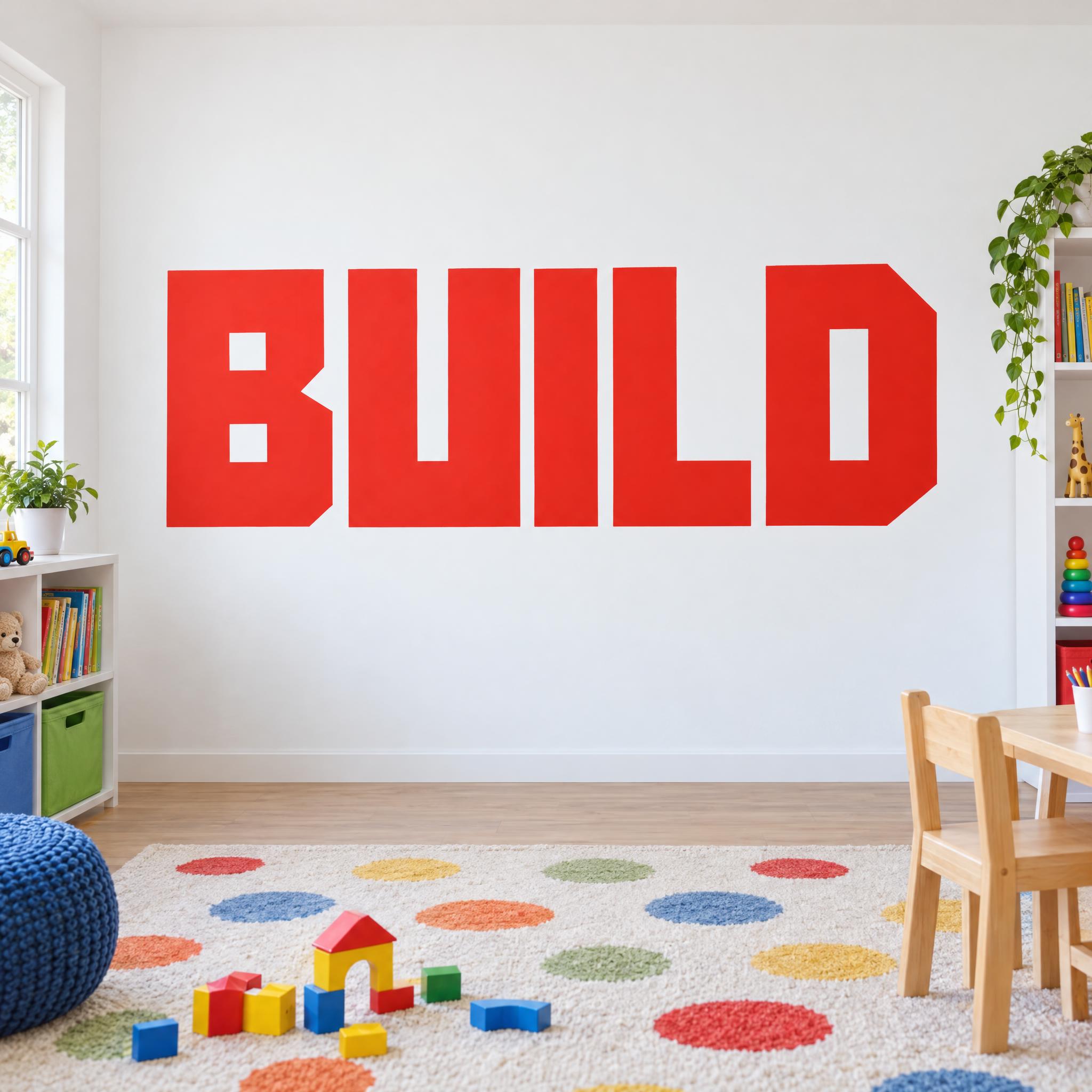
“heavy capital letters squared off so that every curve becomes straight lines and right-angled corners” — Block Font
Block letters extrude cleanly because their faces are flat. Keep the depth in a separate sentence so you can delete it for a flat version.
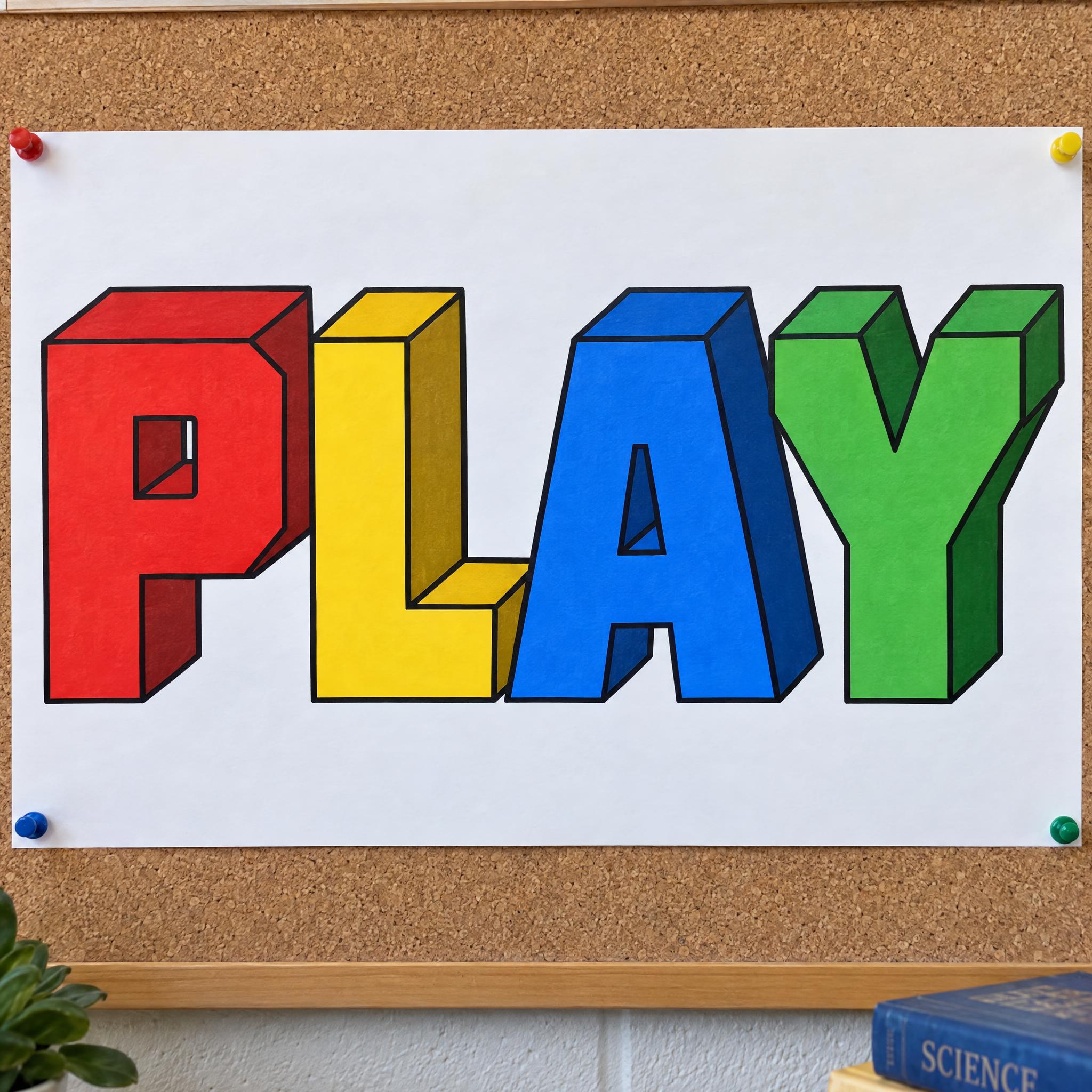
“Each letter is extruded back and down to the right into a deep solid block, so its top and right side faces show.” — 3D Block Letters
Stencil paint, roller paint and stitched twill each change the edges. Give the material one sentence of its own so you can swap it.
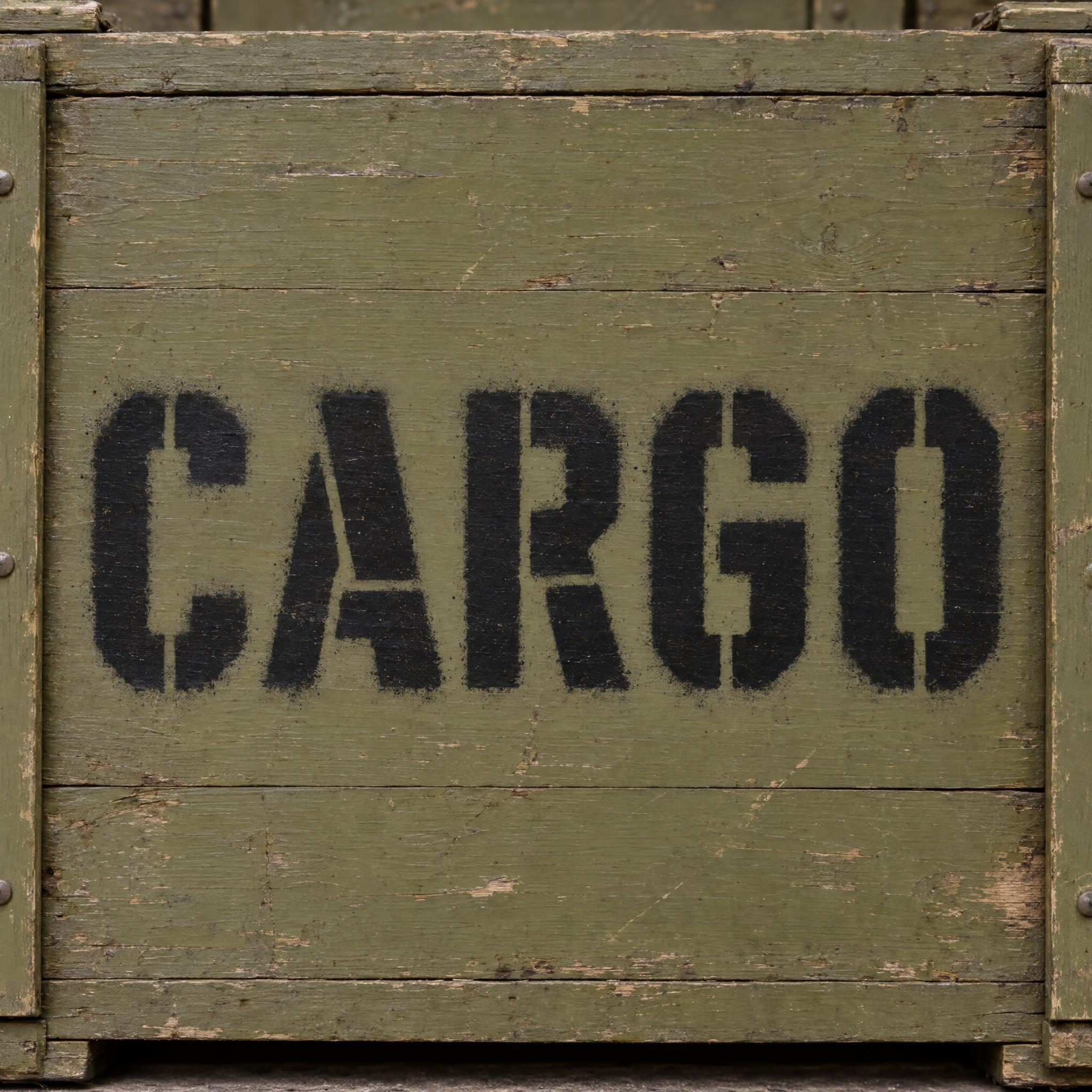
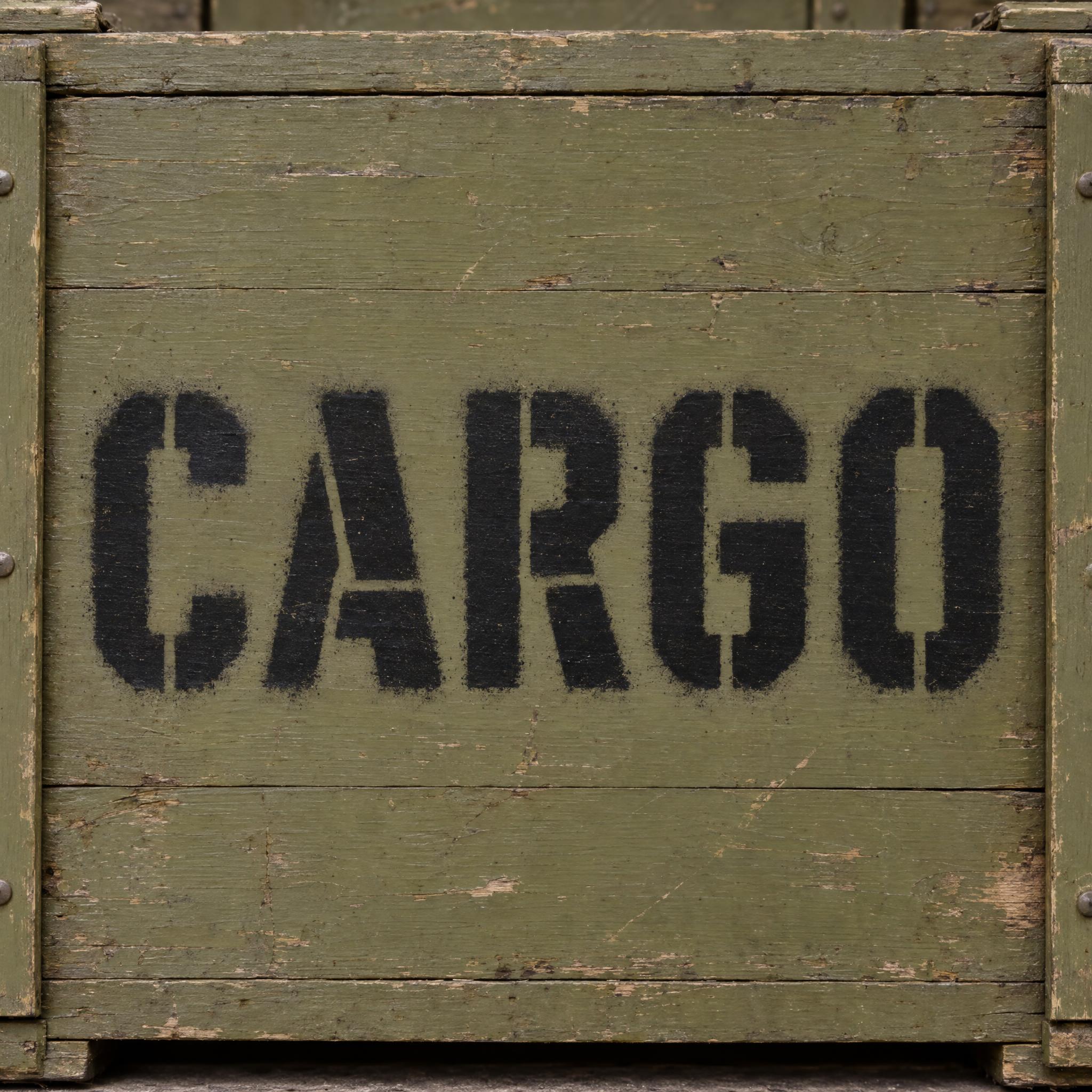
“Each letter is broken by narrow, straight gaps where a cut stencil needs bridges to hold together” — Stencil Font
Asked only for block letters, image models often add a drop shadow or 3D depth. One negative sentence keeps a printable template clean.
“Flat like a printed template, with no shadow or 3D depth.” — Printable Block Letters
Block letters appear wherever a word has to read at a glance: on forms, on classroom walls, on jerseys and on crates. Pick the style by where the word will be seen.
On official forms, people are often asked to "please print": to write in separate letters with no joining. Teachers call the same style manuscript. The prompts here do not teach handwriting; they draw a finished picture of your word, and Printable Block Letters draws it as an outline you can trace.
Sources: Wikipedia — Block letters
Outline block letters are made to be printed, coloured and cut out for bulletin boards, door signs and name tags. Generate one letter or one short word per page so the outline stays thick enough to cut along.
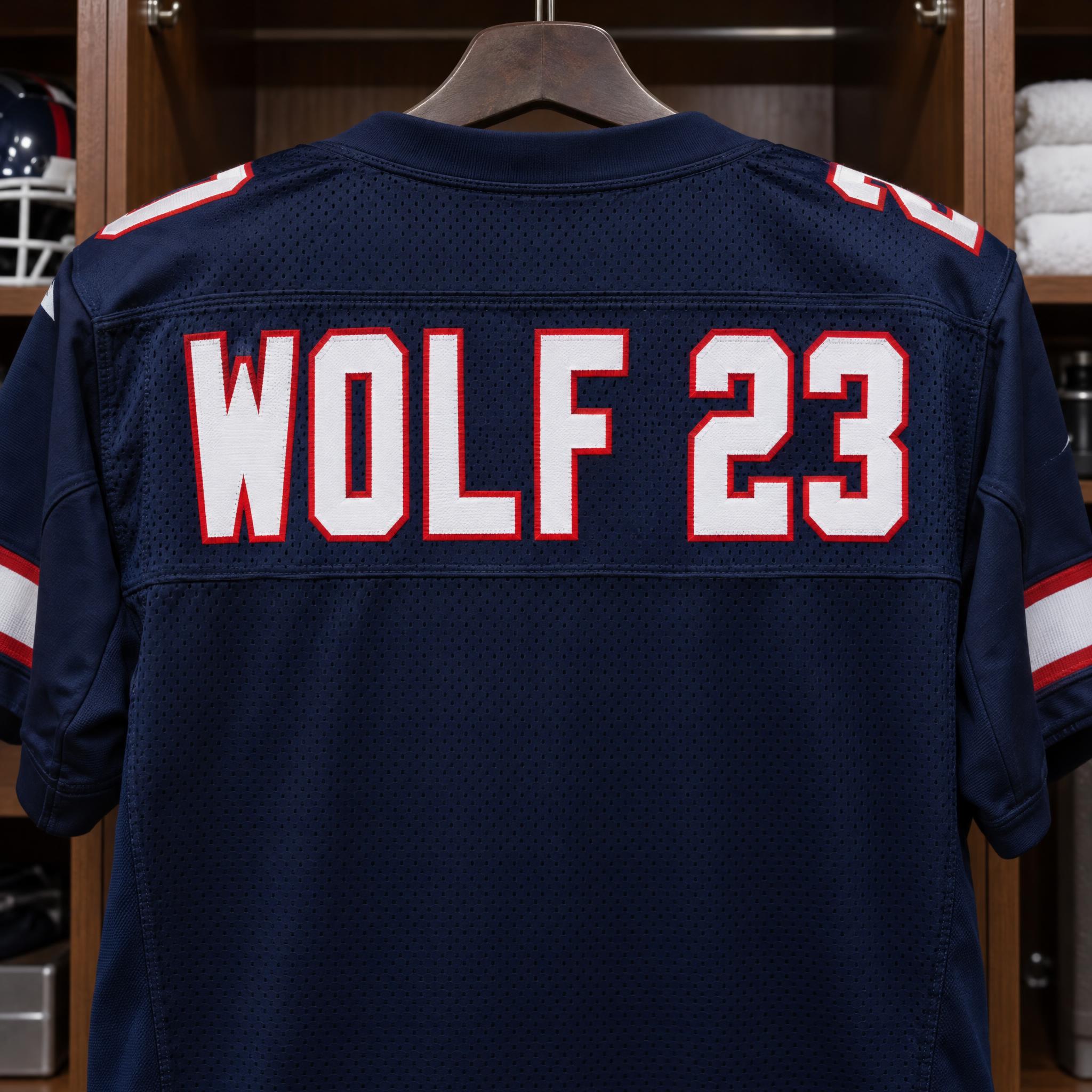
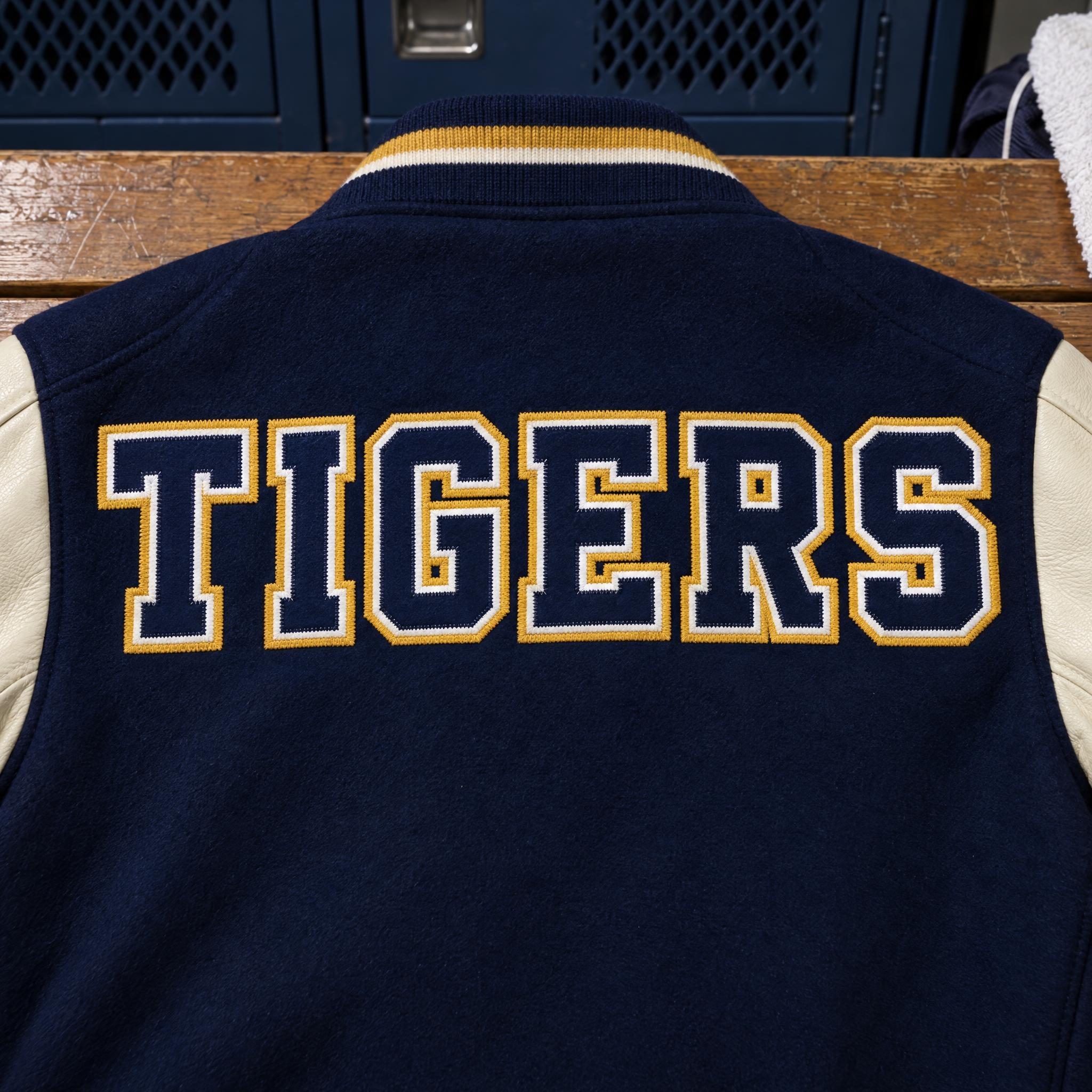
Varsity Font adds short slab serifs and stitched twill, the letterman-jacket look; Jersey Number Font makes tall block numbers with clipped inside corners. For more team lettering, see jersey font.
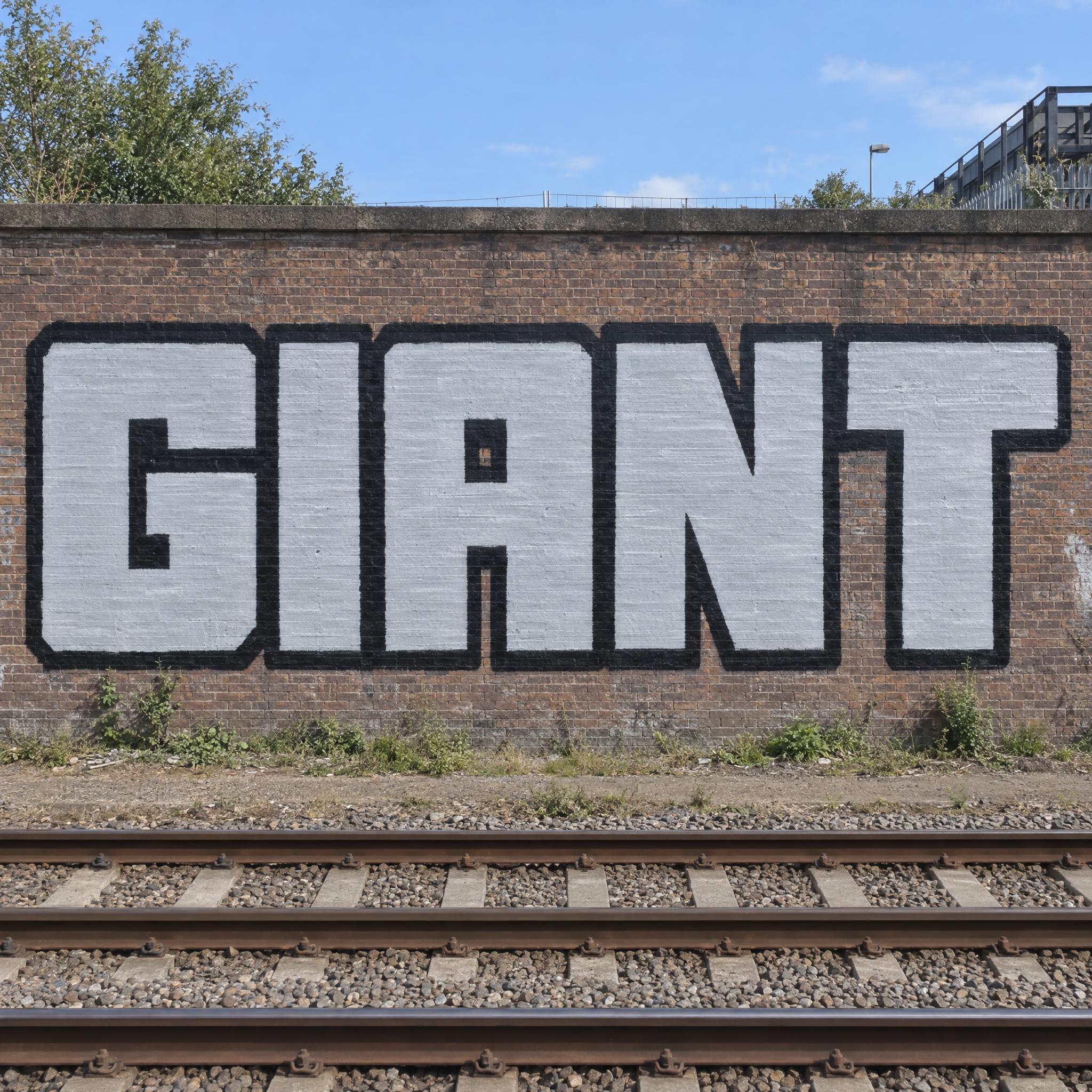
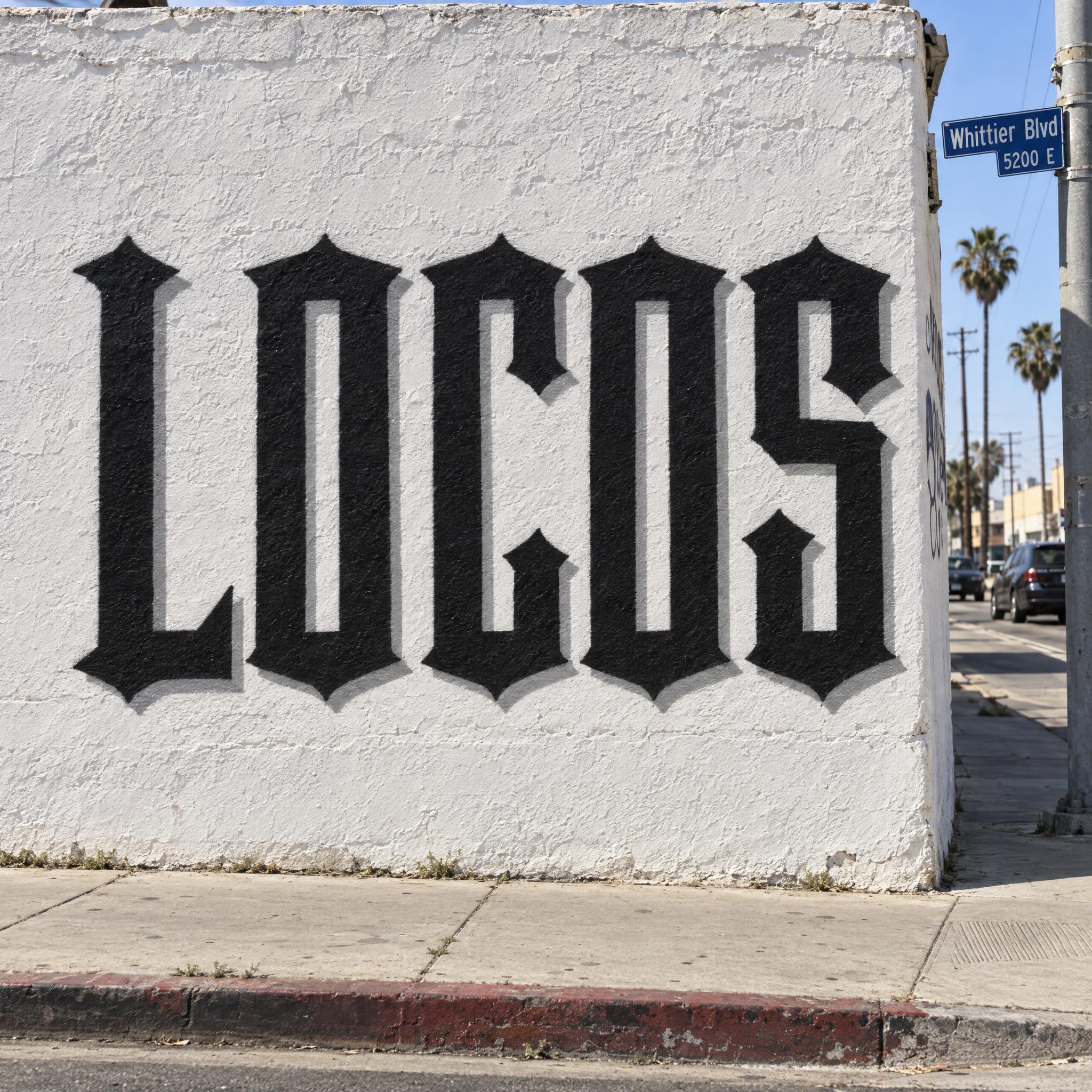
Blockbuster Graffiti paints giant flat blocks with a roller, a piece meant to be read from a passing train. Stencil Font breaks each letter with bridges like the marks on a supply crate, and Cholo Block Letters is the tall, spurred block style of Los Angeles placas.
Block letters are sans-serif capitals: letters without serifs, drawn with strokes of even weight. Around 1816, William Caslon IV produced the first sans-serif printing type in England for the Latin alphabet, shown in his specimen as Two Lines English Egyptian. The term grotesque became the common name for these letters, and in America they were also called gothic.
In the 19th century, wood type became popular for large display letters on posters, because it was lighter and cheaper than large sizes of metal type. In 1834 William Leavenworth introduced the pantograph, which let the same letter form be reproduced from a pattern, and thick sans-serif capitals spread on posters for their clarity at a distance.
Handwritten block letters are the everyday version. In English the style is also called printscript, manuscript or print writing: the letters are individual glyphs with no joining, which is why forms ask you to print. Block capitals means the same letters written in capitals only.
Sources: Wikipedia — Sans-serif · Wikipedia — Wood type · Wikipedia — Block letters
Black outline capitals on white paper, empty inside, ready to colour or cut out.
Heavy flat capitals in one colour, every curve turned into right angles.
Chunky capitals extruded into solid coloured blocks with black edges.
Slab-serif blocks in stitched tackle twill with two outlines.
Tall heat-pressed block numbers with clipped inside corners.
Square-shouldered blocks broken by bridges, sprayed on a crate.
Giant roller-painted blocks along a railway wall.
Tall, narrow straight-stroke blocks with pointed spurs.
Other hollow styles: single line, double line and glowing outlines.
Block letters are plain, thick capitals of even stroke weight, with no serifs and no joining, so every letter stands apart and reads at a glance. On this page each style is an AI prompt that draws your own word that way: as a printable outline, a solid block, a 3D block or a varsity patch.
Start with Printable Block Letters: it draws a black outline on white paper with an empty inside, ready to colour or cut out. Type one word or one letter, generate it, then print the image at full page size.
Block letters keep ordinary round curves, so O and C stay round. A square font turns the curves themselves into right angles. Block Font sits in between: a solid block letter with every curve squared off.
Not exactly. Block letters are bold, but they are also plain capitals of even weight. A bold font can be any heavy lettering, including heavy scripts and serifs.
No. They are prompts that make a picture of your word with an AI image model, not font files. Use the result as a finished image: print it, cut it out or put it on a poster.