AI Christmas Cards: Which Model Spells It Right?
5 AI image models: Nano Banana and GPT Image got nearly every Christmas word right. With the same words, candy canes did no worse than knit.
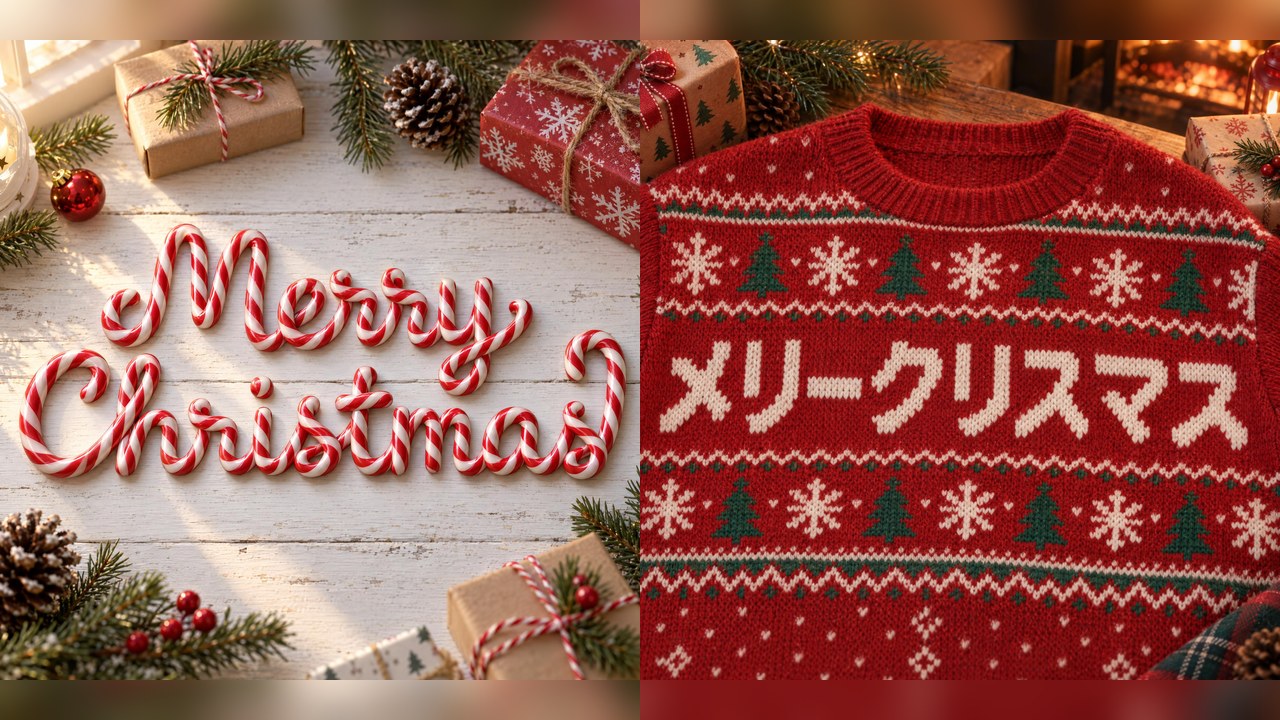
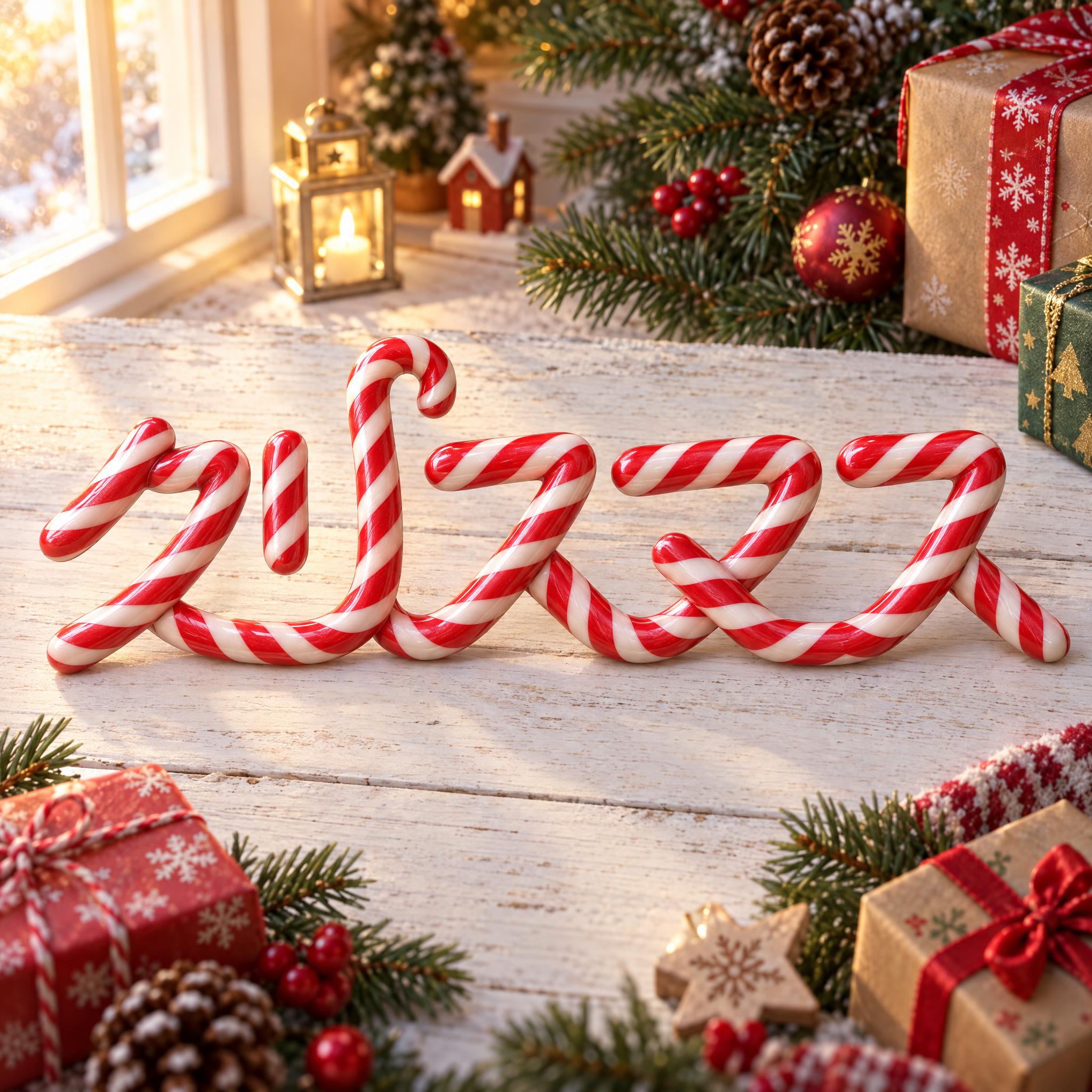
Ask an AI image model for candy cane letters in Japanese and you can get a row of candy canes that no longer spells anything. Qwen-Image turned クリスマス (Christmas) into フリスマフ: its first and last letters became plain canes. Before writing this, we expected that to be the lesson: decorations shaped like objects eat letters. Then we gave candy cane and knitted sweater lettering the same phrase, one image per model and language, and in that 40-image test candy canes did no worse than knit; the misses lined up by model and by script.
If you are making an AI Christmas card with text on it, this is what we found in 305 Christmas lettering images from five AI image models. An AI reviewer read every image letter by letter, a person re-checked the doubtful ones, and native speakers checked 20; the method section at the end says who checked what.
Which AI makes Christmas card text right: the short answer
Use Nano Banana 2.1 or GPT Image 2.5. Most of our numbers come from what we call the font data: we ran 8 Christmas fonts in up to 7 languages, one first image per font, language and model, 53 font–language combinations and 265 images in all. Home Alone-style lettering has 4 languages and the other seven fonts have 7. On AIFont, a font is a ready-made prompt for one lettering style, not a font file you install. In the font data, Nano Banana and GPT Image spelled almost every word right on the first try. Qwen-Image was the weakest, and its misses were mostly in Japanese, Chinese and Arabic. In a separate 40-image test where every model wrote Merry Christmas in English, Japanese, Chinese and Arabic in two styles (the Merry Christmas test, below), Seedream had the most misses: 4 of its 7 scored images were right, the misses were in Arabic and Chinese, and its eighth image was unsure and not scored. We did not test Midjourney, Ideogram or Firefly.
Each test image is one word or phrase rendered as decorated lettering, not a full card layout with pictures and a greeting. We did not test longer greetings, such as Merry Christmas and Happy New Year, or family names.
Where you meet these models, as of November 2026: Nano Banana 2.1 is Google's, in the Gemini app; which Nano Banana version you get there depends on your plan. GPT Image 2.5 is OpenAI's; OpenAI released it in its API alongside ChatGPT Images 2.5 but does not say which version the ChatGPT app runs, and we tested the version called Sunburst. Grok Imagine Image 2.0 is xAI's, in the Grok app and on grok.com. Seedream 5.0 Pro is ByteDance's, in Dreamina and CapCut. Qwen-Image 3.0 Pro is Alibaba's, in Alibaba Cloud Model Studio. We tested the models, not the apps; an app may run a different version or add its own steps, so app results can differ.
Here is how often each model spelled the word right on its first image. Each font prompt was run once per language on each model between October 24 and November 7, 2026. Latin means English, Spanish, Portuguese and German.
| Model | Latin | Japanese | Chinese | Arabic | All |
|---|---|---|---|---|---|
| Nano Banana 2.1 (Google) | 32/32 | 7/7 | 7/7 | 7/7 | 53/53 |
| GPT Image 2.5 (OpenAI) | 32/32 | 7/7 | 7/7 | 6/7 | 52/53 |
| Grok Imagine Image 2.0 (xAI) | 32/32 | 5/7 | 7/7 | 5/6 | 49/52 |
| Seedream 5.0 Pro (ByteDance) | 30/32 | 7/7 | 7/7 | 4/6 | 48/52 |
| Qwen-Image 3.0 Pro (Alibaba) | 28/32 | 4/7 | 5/7 | 2/7 | 39/53 |
| All five | 154/160 (96%) | 30/35 (86%) | 33/35 (94%) | 24/33 (73%) | 241/263 (92%) |
The Arabic column is small, 6 or 7 images per model, so read it as a direction rather than a ranking. Two Arabic images we marked unsure are not scored. Our test of 59 font styles ranked the five models in the same order: GPT Image and Nano Banana tied at the top there, followed by Grok Imagine, Seedream and Qwen-Image.
Candy canes looked worse, until we used the same words
Five of our eight Christmas fonts fall into two kinds, and this section compares only those five. The three film-title fonts are left out here because their words are film titles; they are in the model table above.
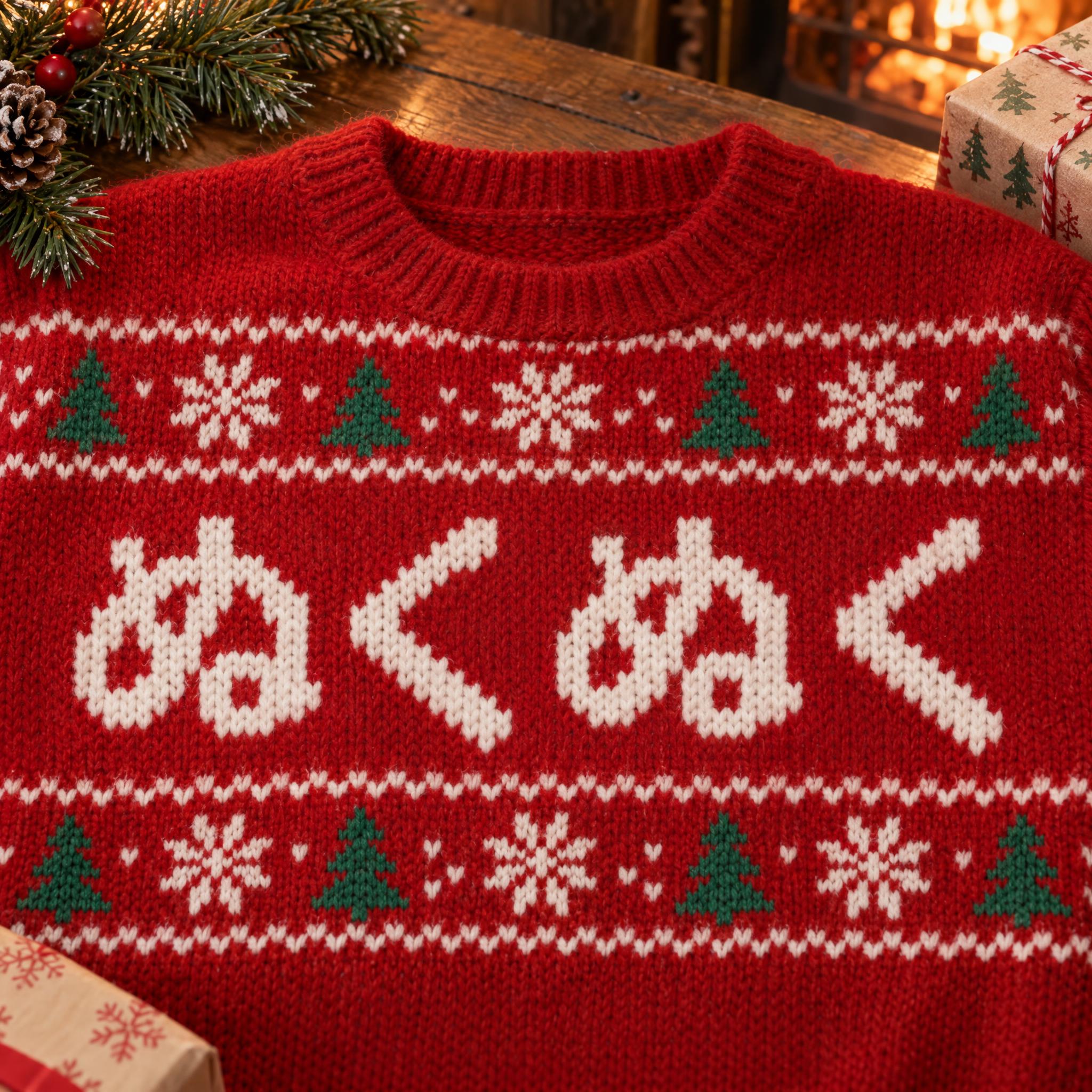
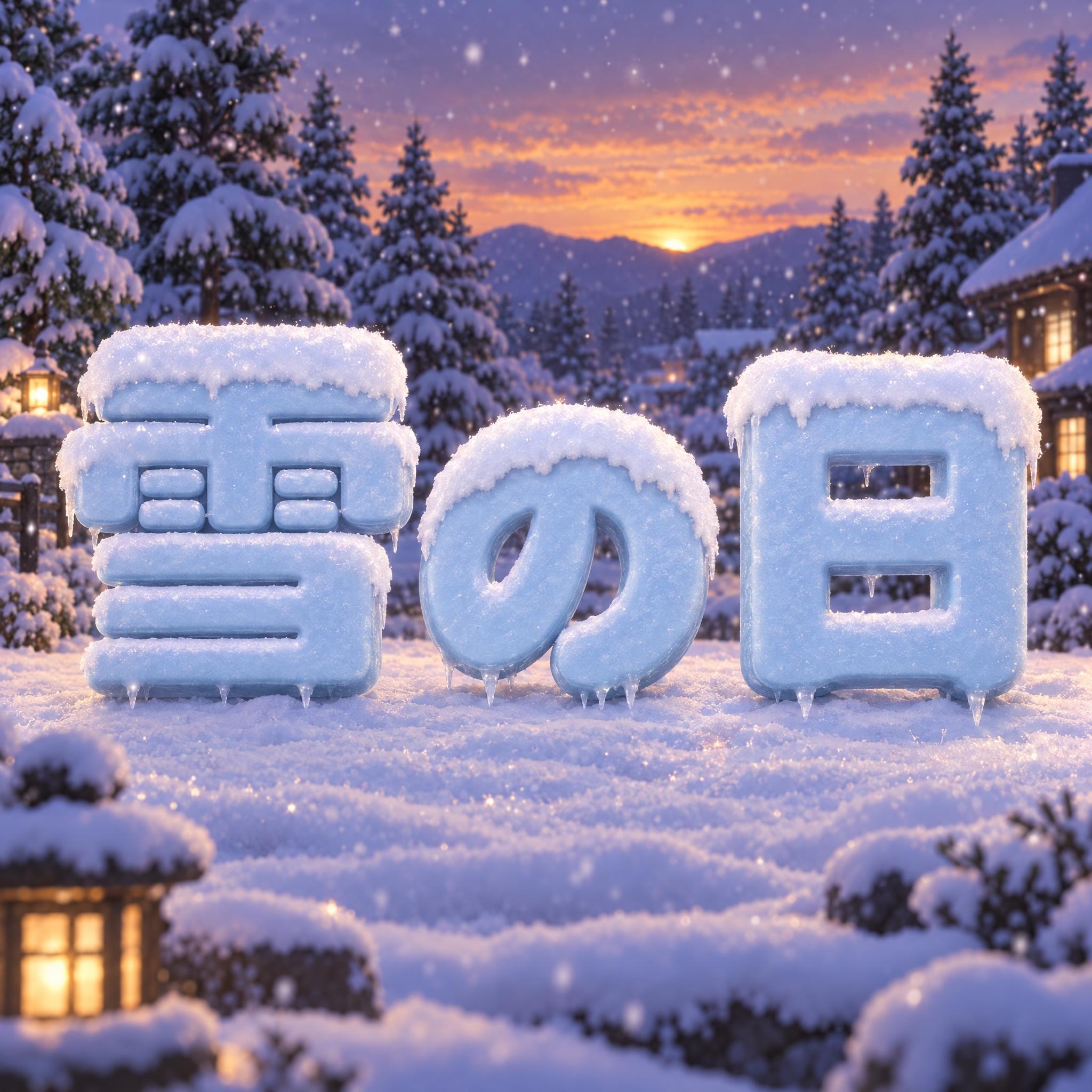
In candy cane and gingerbread lettering, the letters are made out of objects: sticks of candy, baked cookies. In Christmas sweater, Christmas cursive and snow lettering, normal letters get a material or a decoration: knit stitches, red brush-pen script, snow on top.
In the font data, the object kind failed more often:
| Kind of effect | Fonts | Spelled right on the first image |
|---|---|---|
| Letters made of objects | candy cane, gingerbread | 61/69 (88%) |
| Letters with a material or decoration | Christmas sweater, Christmas cursive, snow | 100/104 (96%) |
Nearly all of the gap between the two kinds sits in Japanese, Chinese and Arabic. In Latin script both kinds got almost every word right (39 of 40 against 60 of 60). And the errors look like the decoration is to blame:
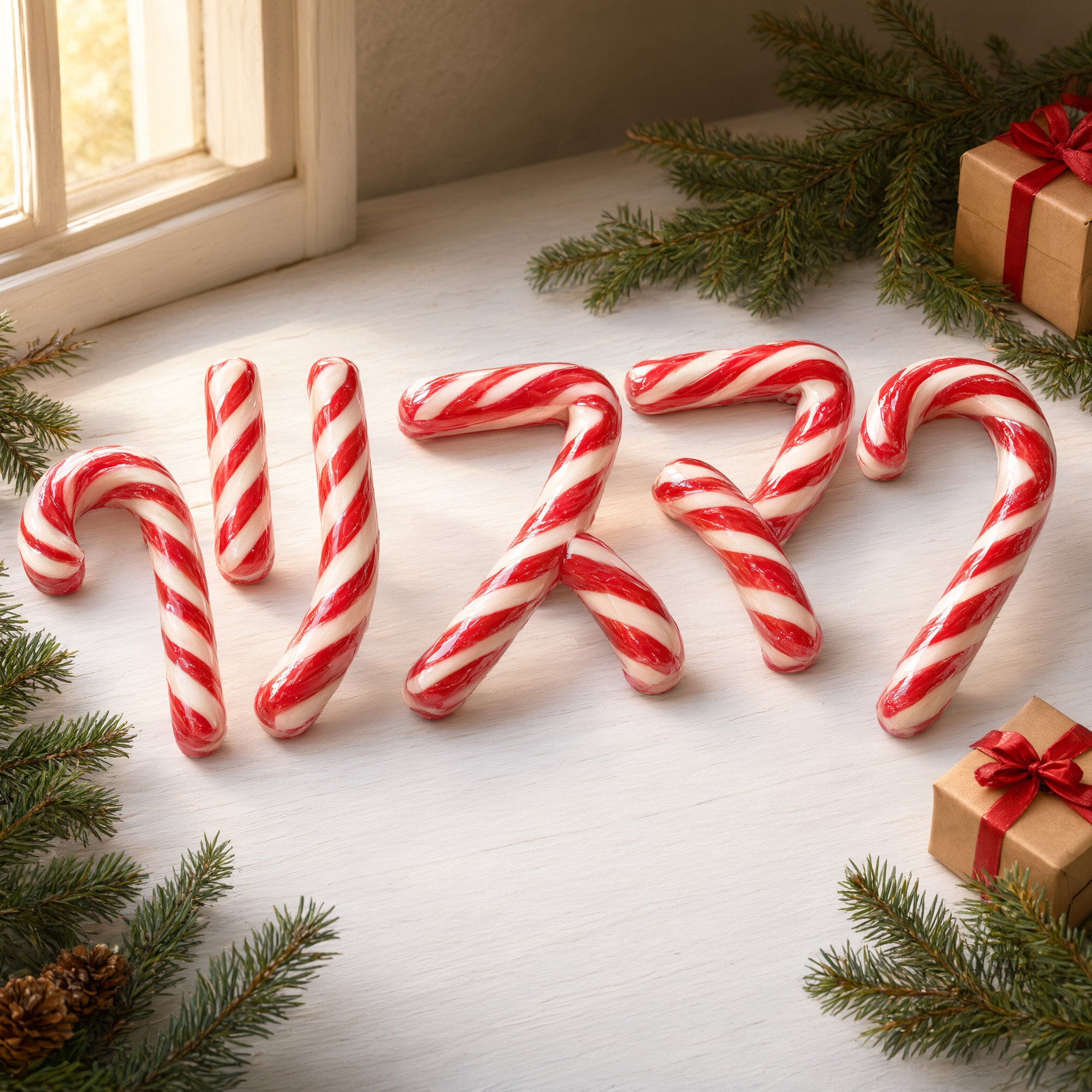
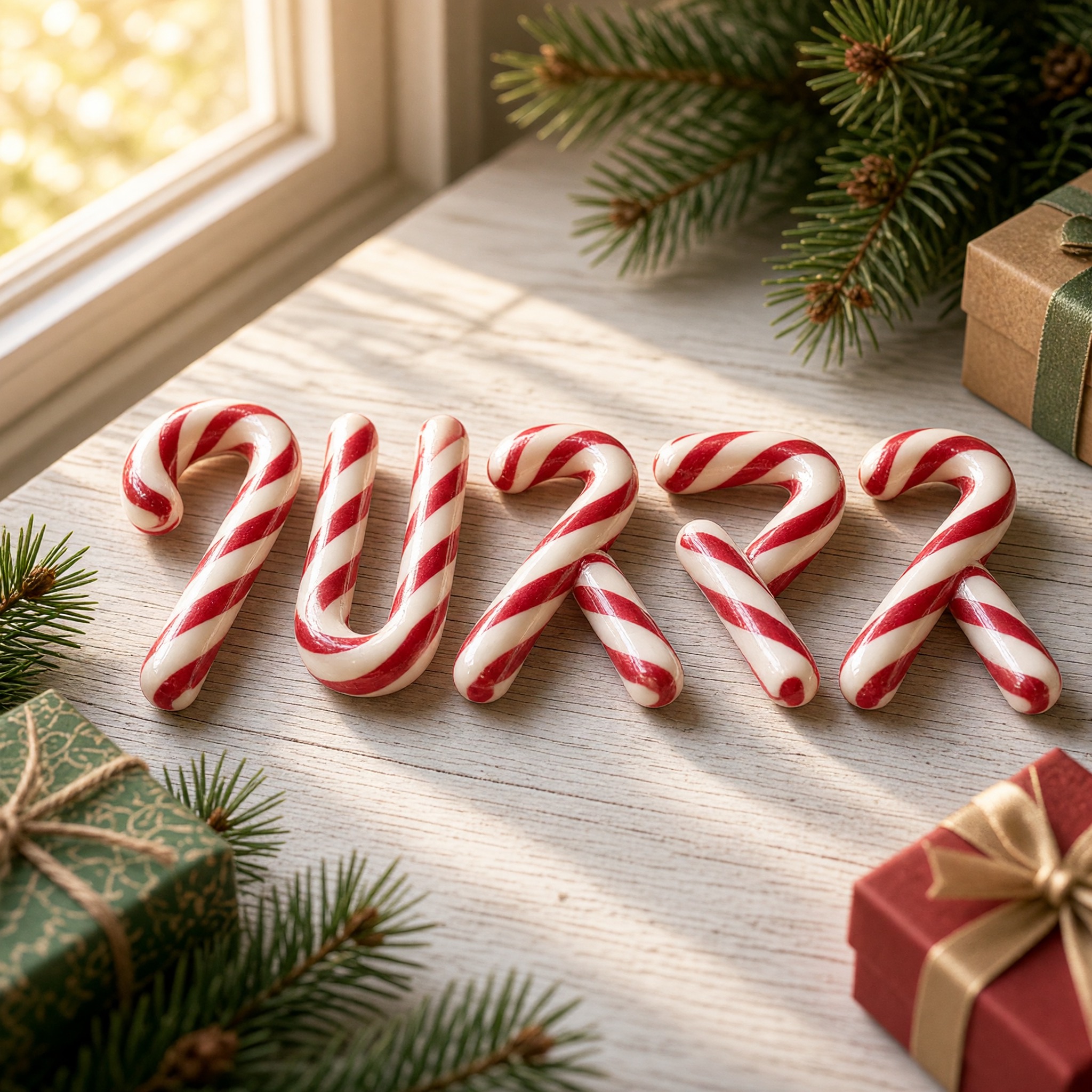
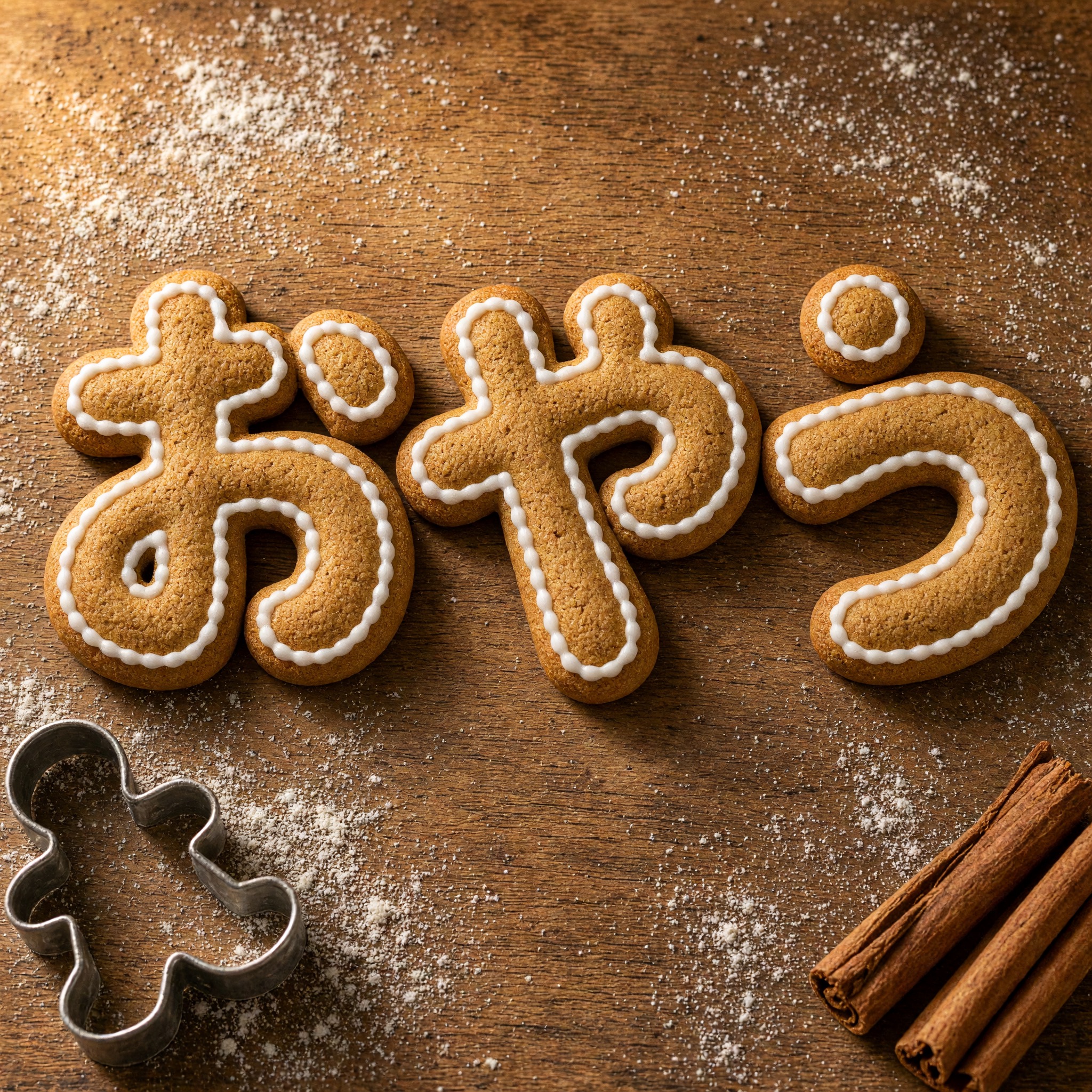
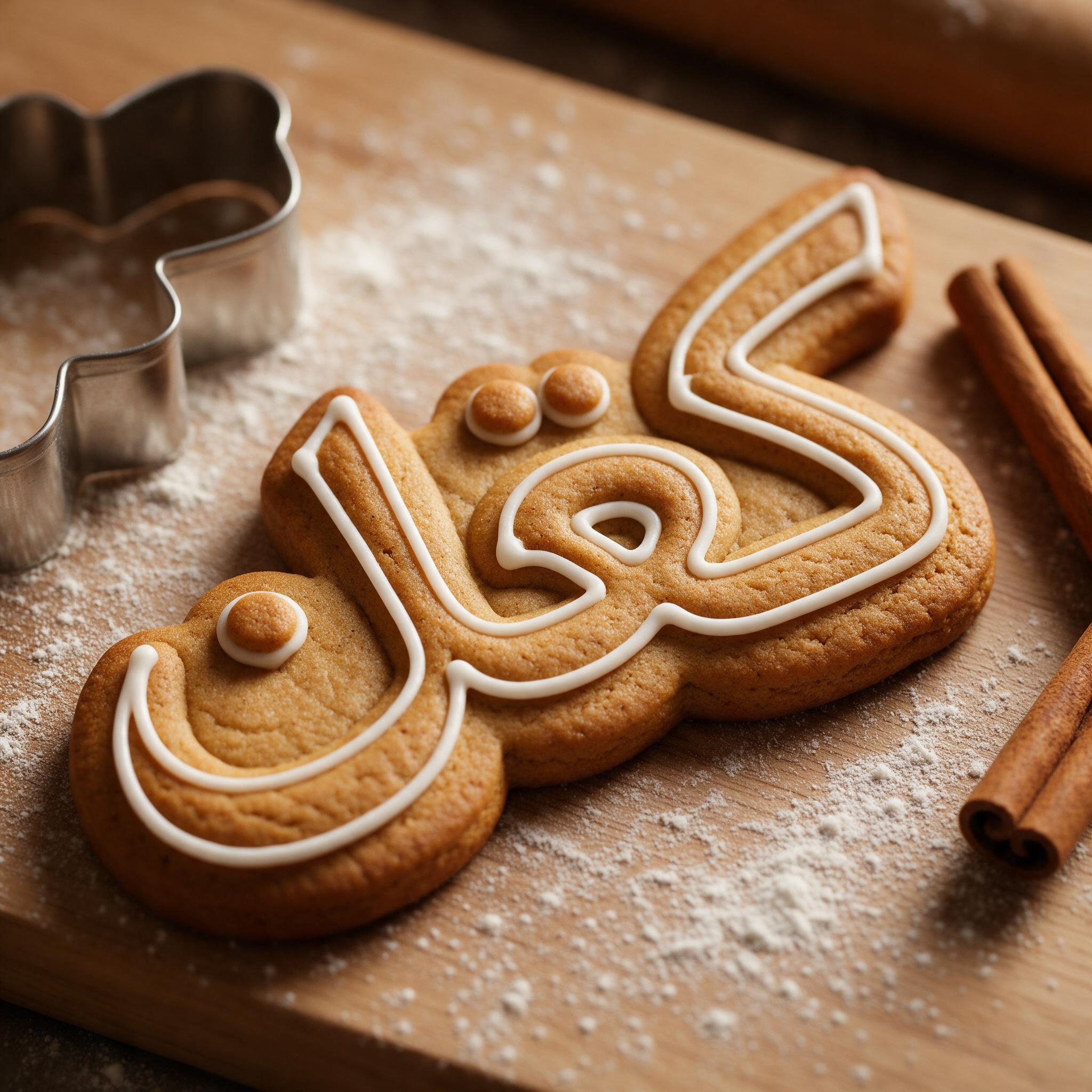
But the two kinds were not tested on the same words. Candy cane in Japanese wrote クリスマス; snow wrote 雪の日 (snowy day). Gingerbread in Arabic wrote كعك; the Christmas sweater wrote ثلج (snow). A reader could fairly say the words, not the decorations, made the difference.
The Merry Christmas test: 2 styles, 4 languages, 5 models
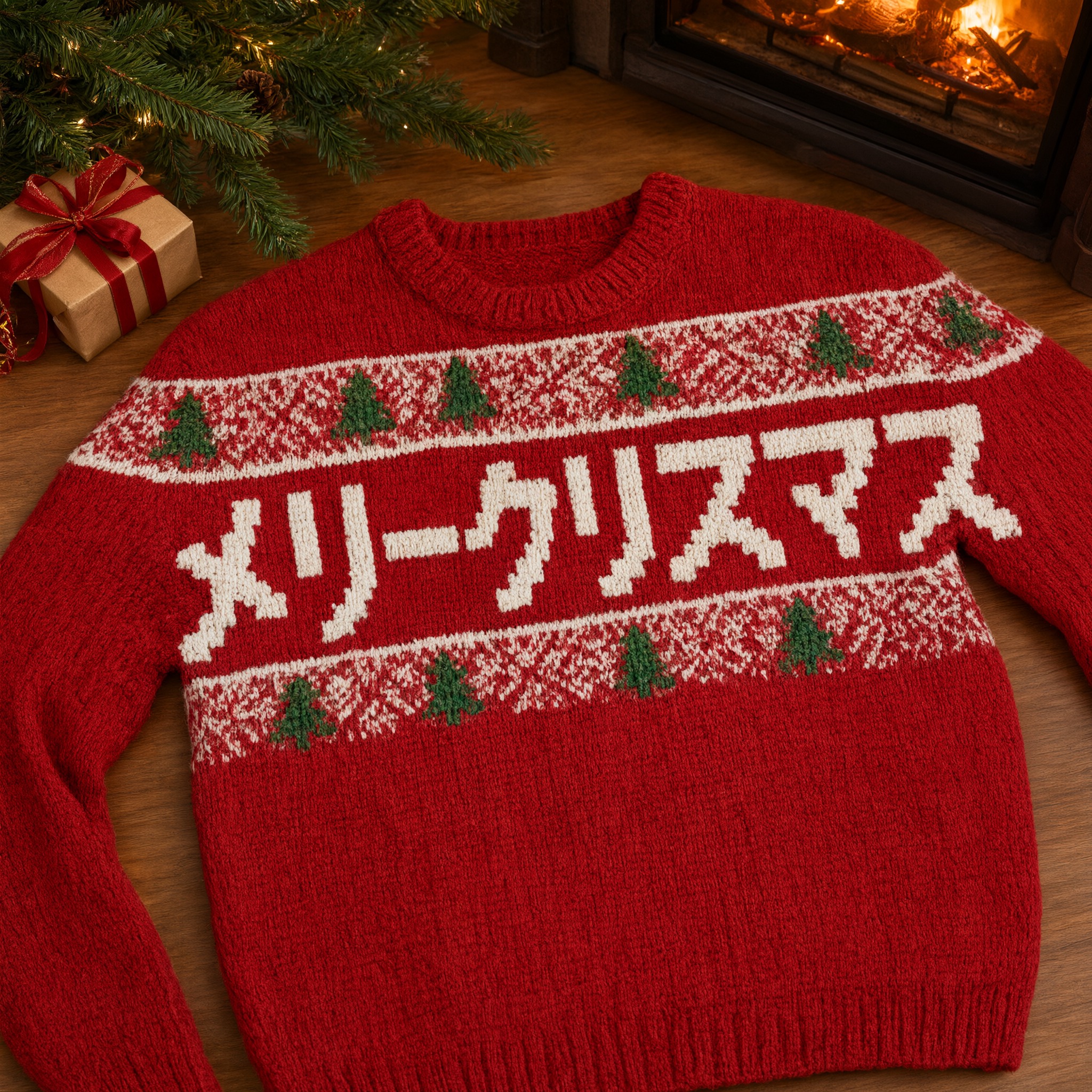
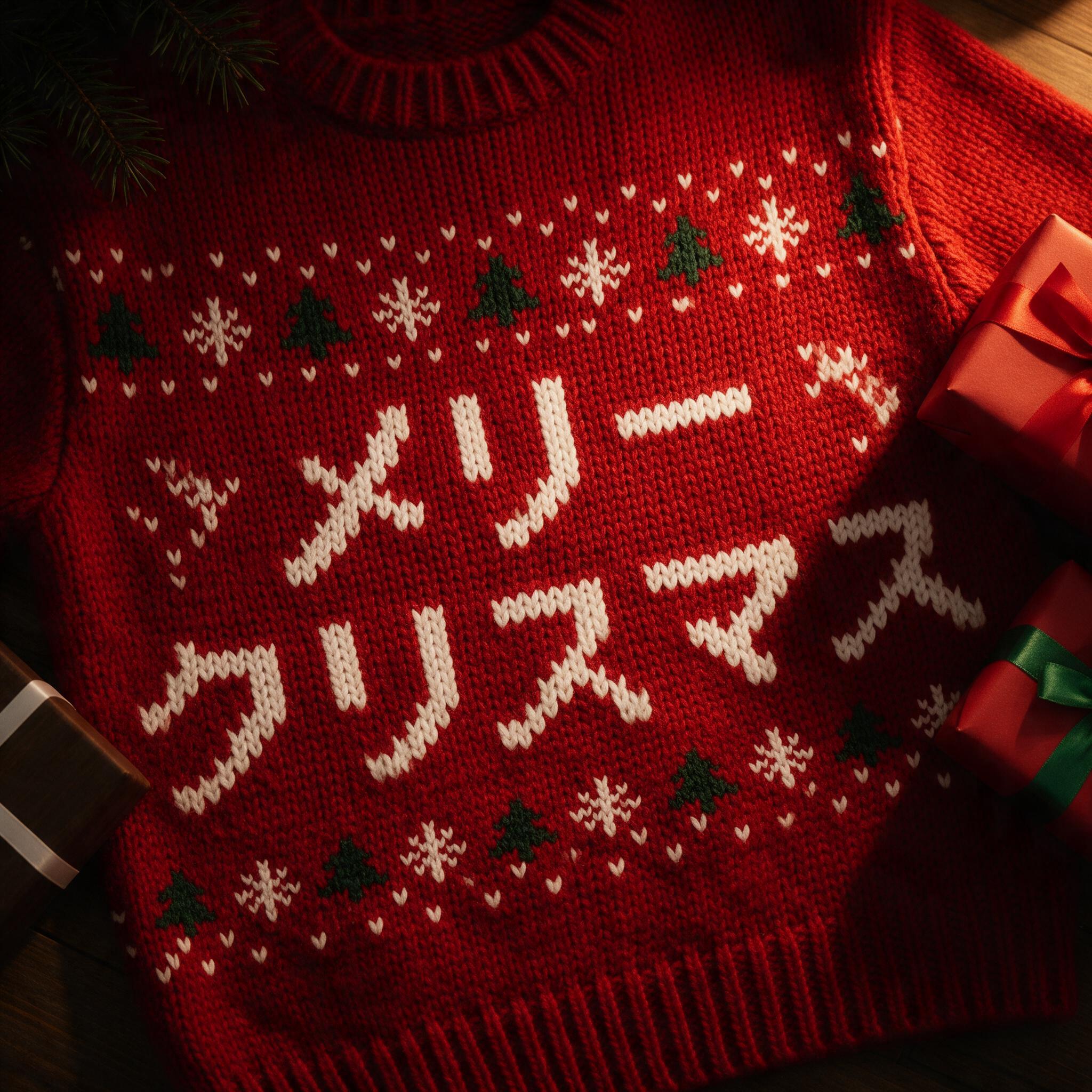
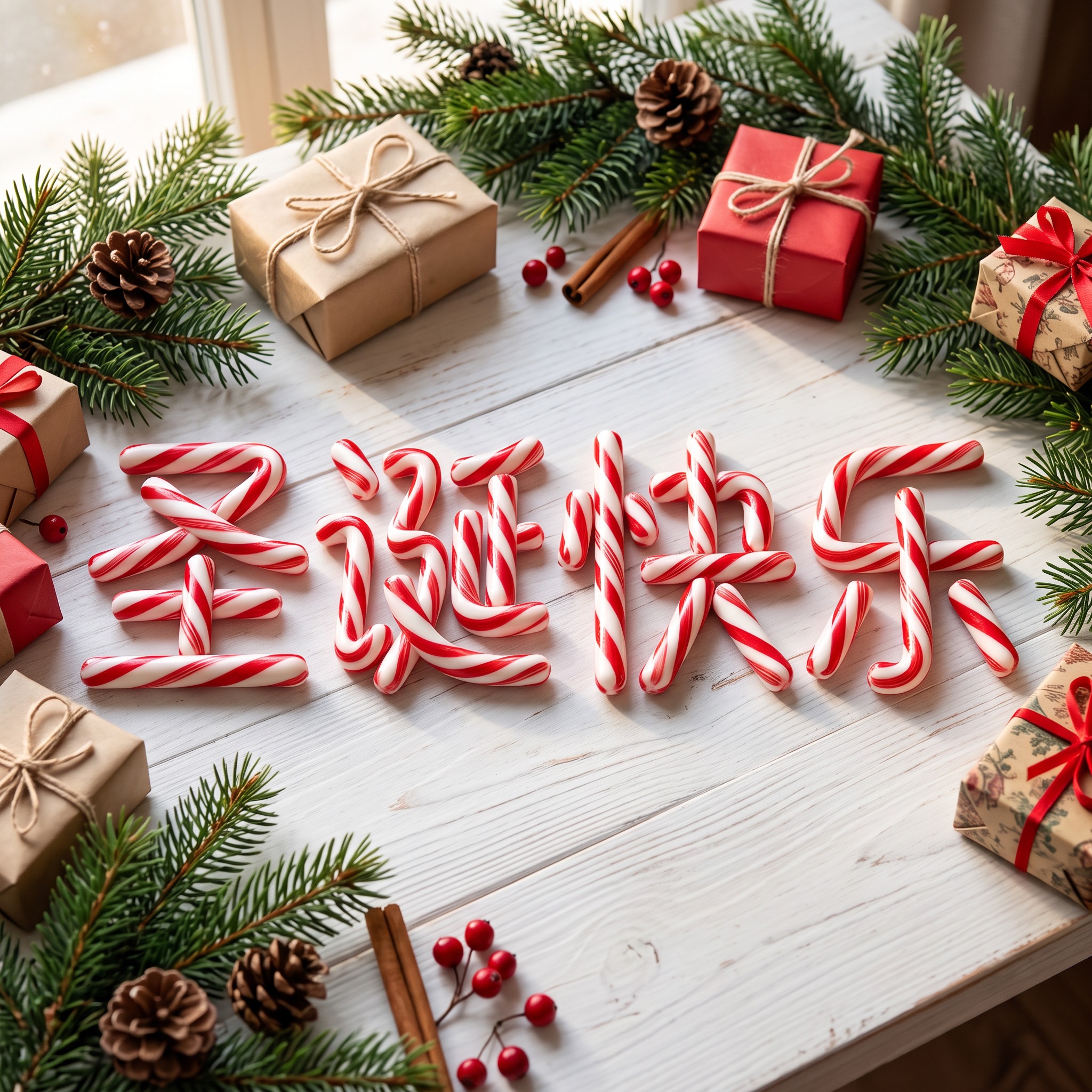
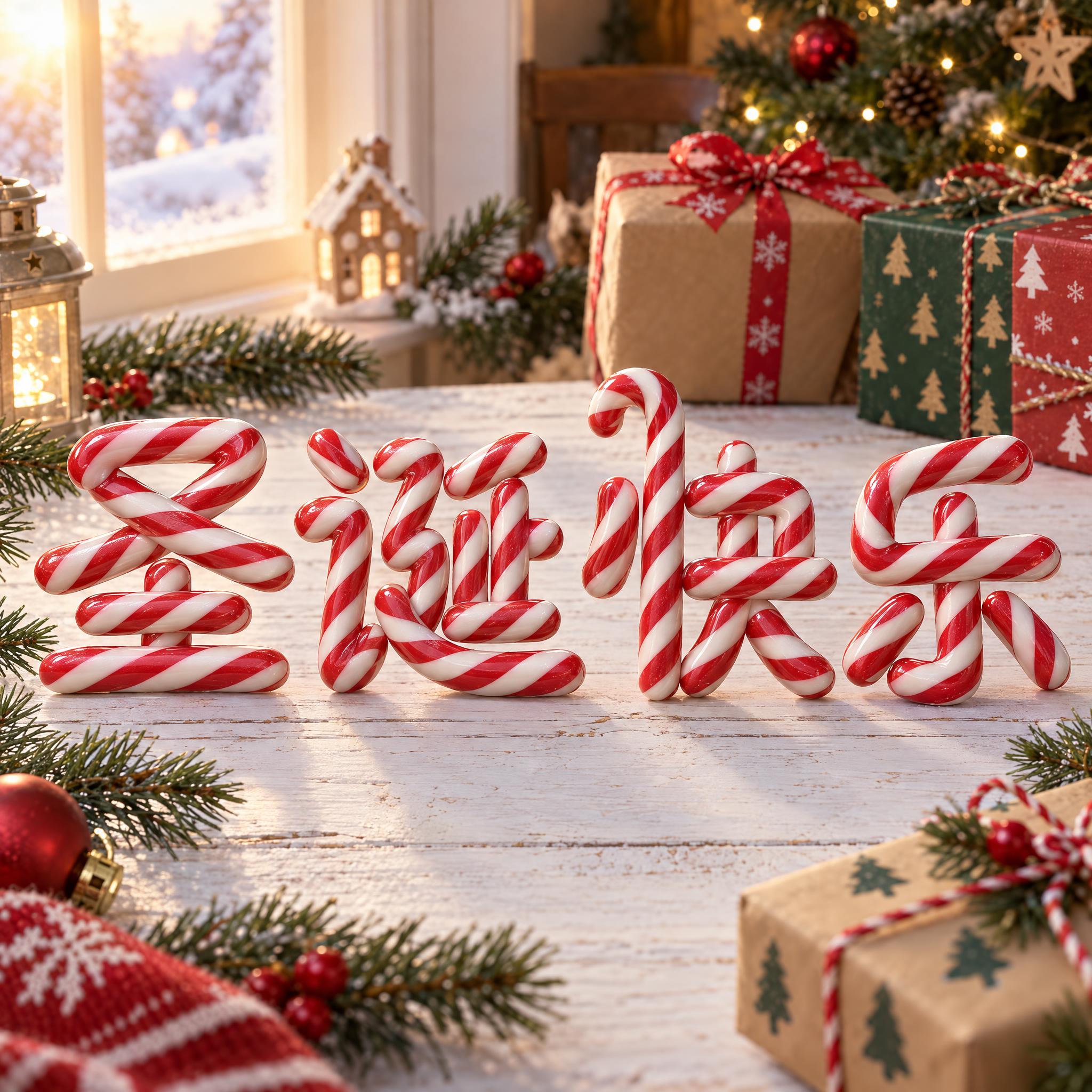
So on November 11, 2026 (UTC) we took two of the prompts, candy cane (letters made of objects) and Christmas sweater (letters knitted into a pattern), and changed only the word. Each model wrote the phrase people actually put on a card:
- English: Merry Christmas
- Japanese: メリークリスマス
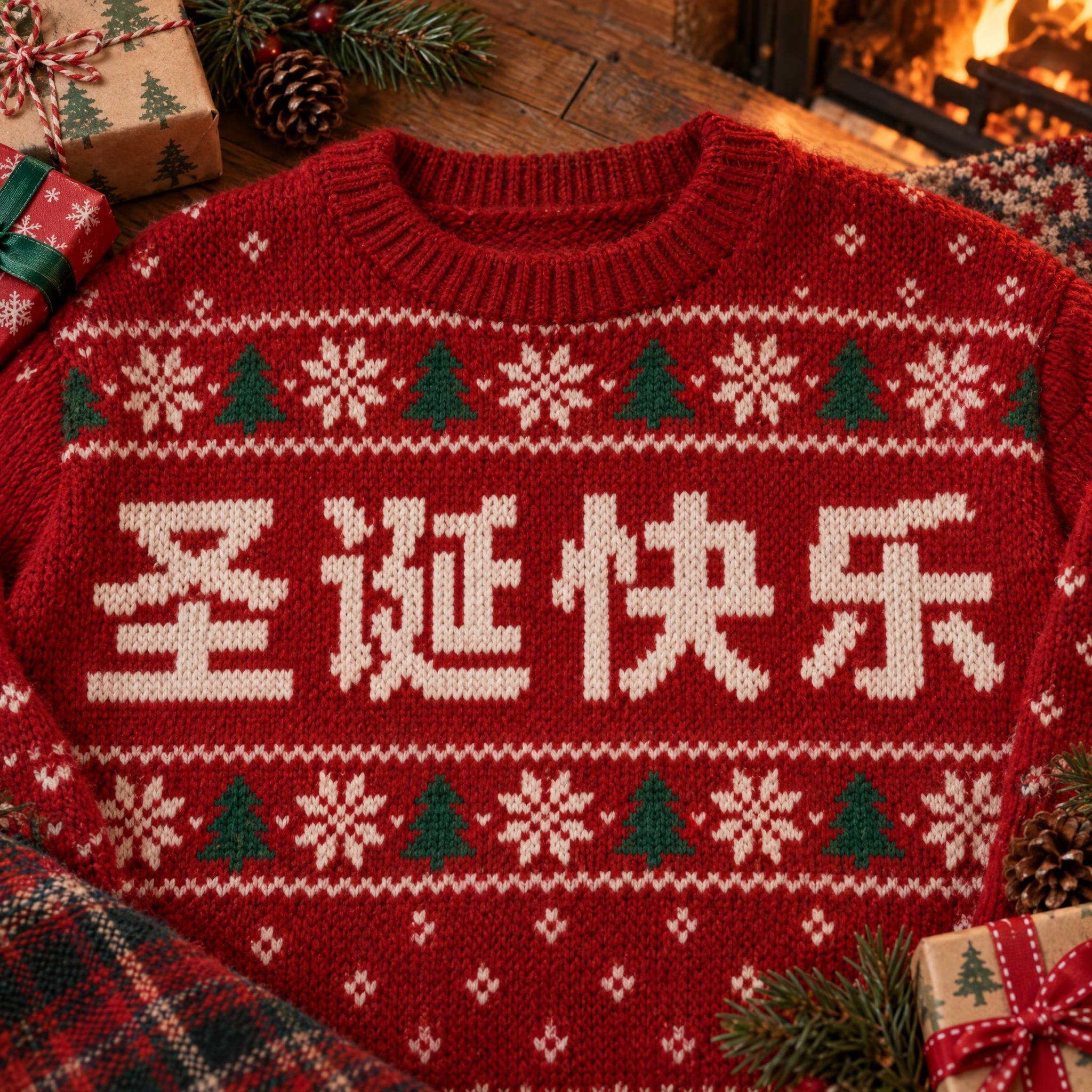
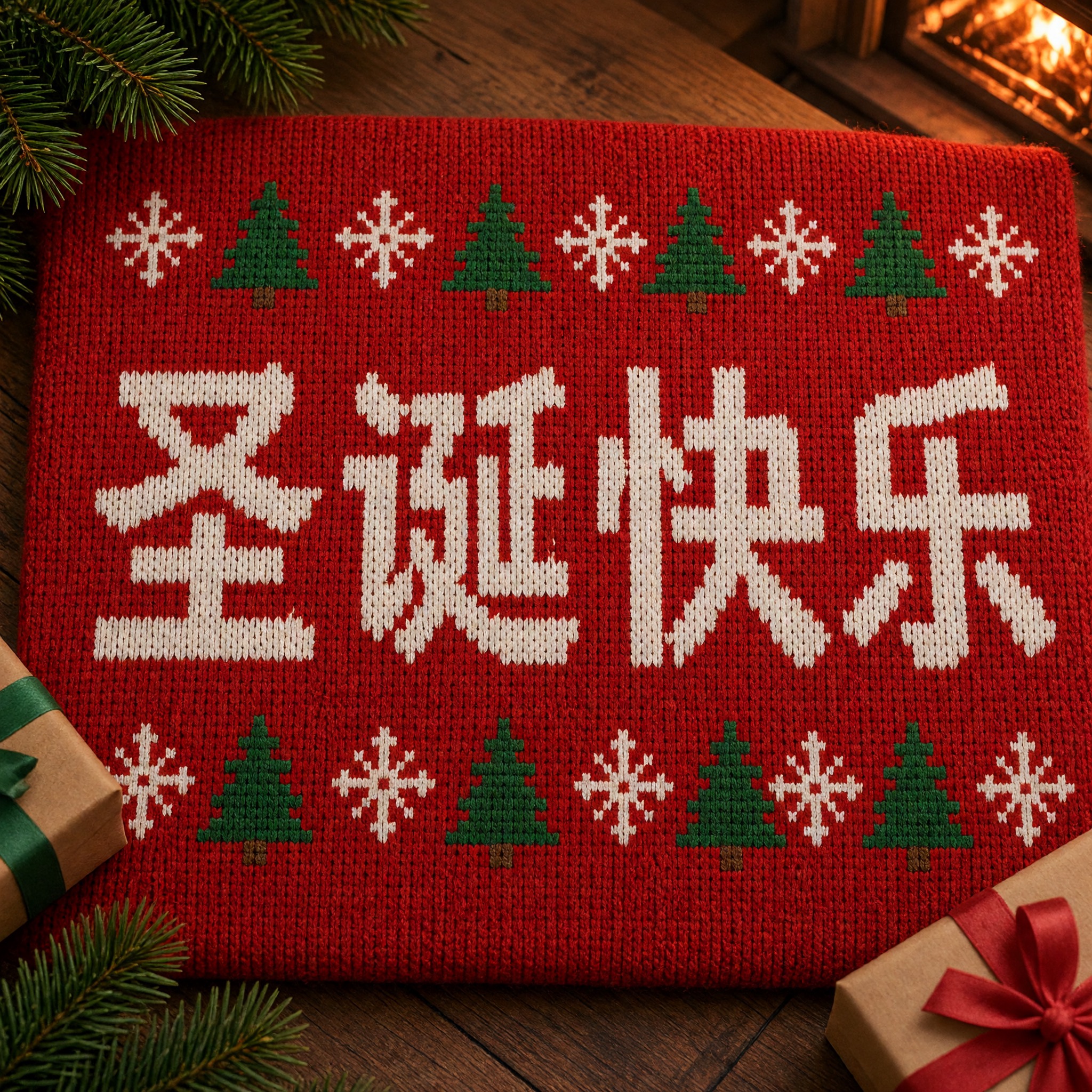
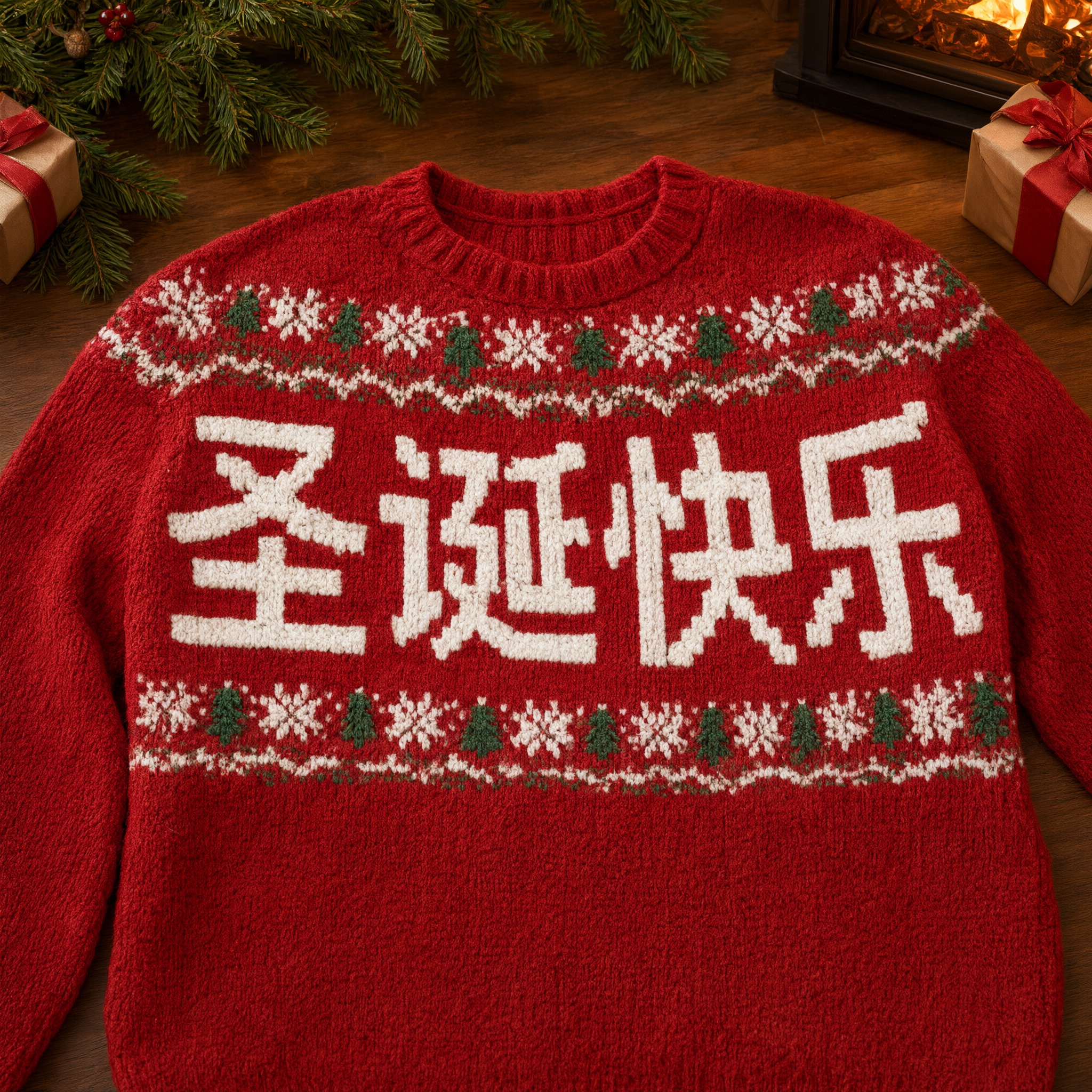
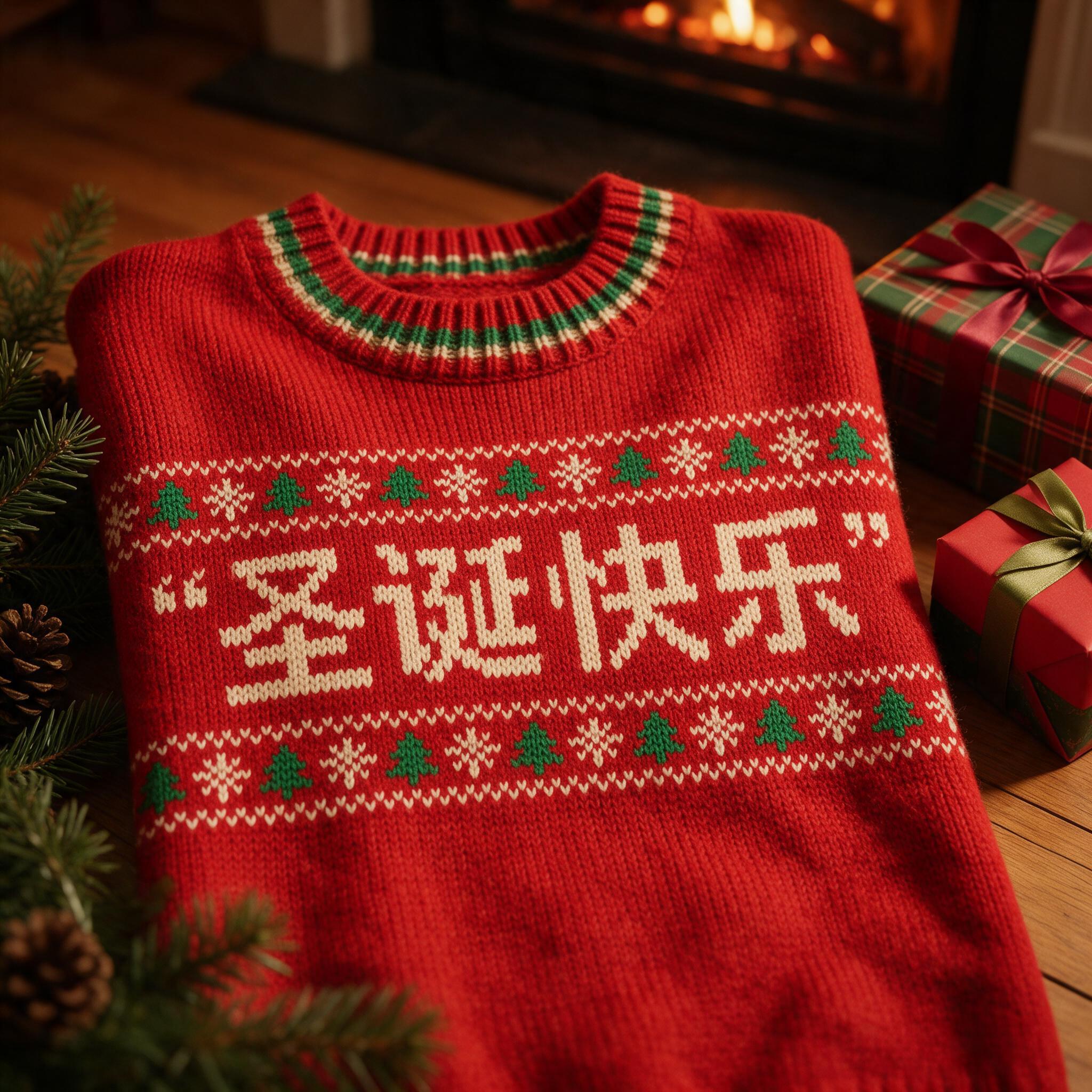
- Chinese: 圣诞快乐
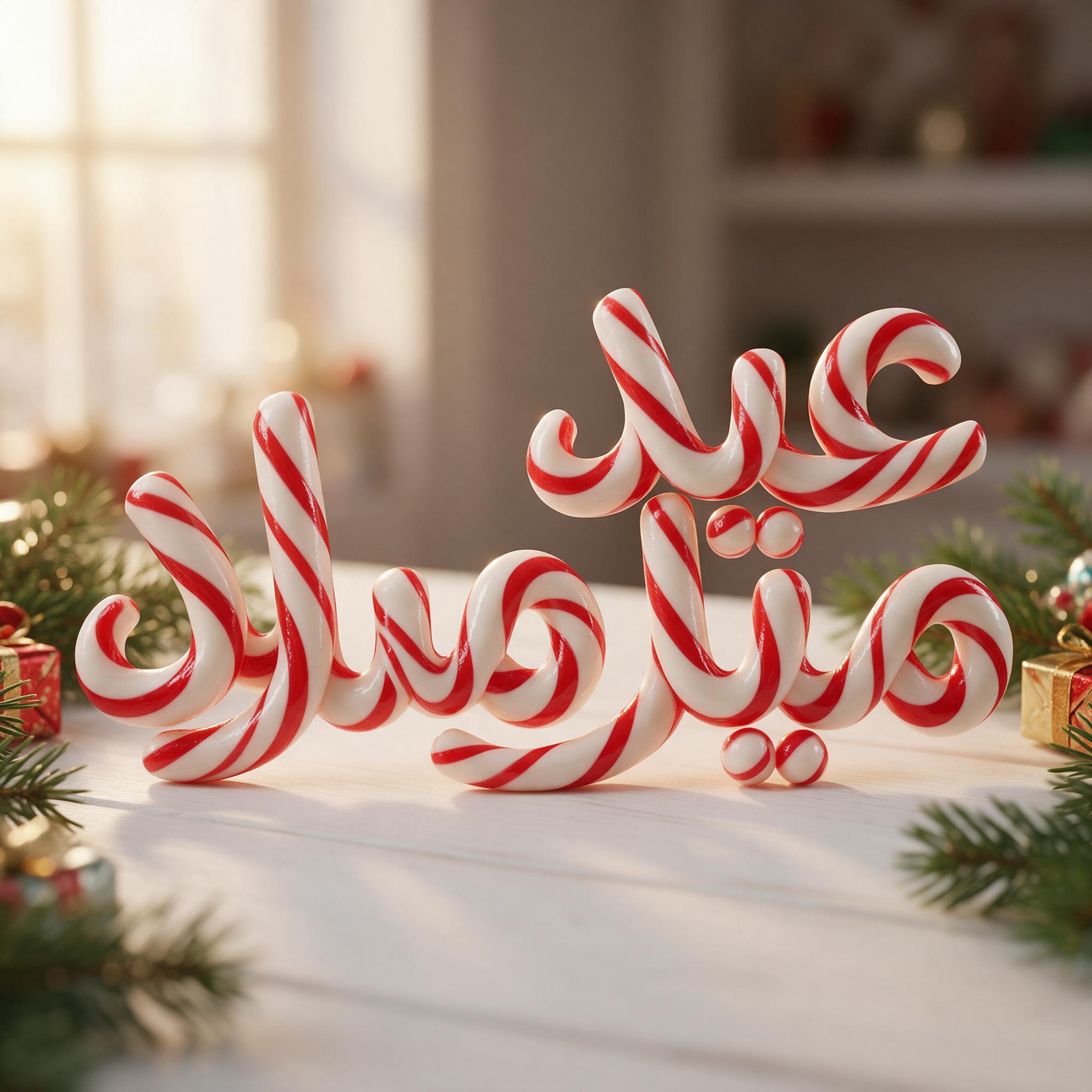
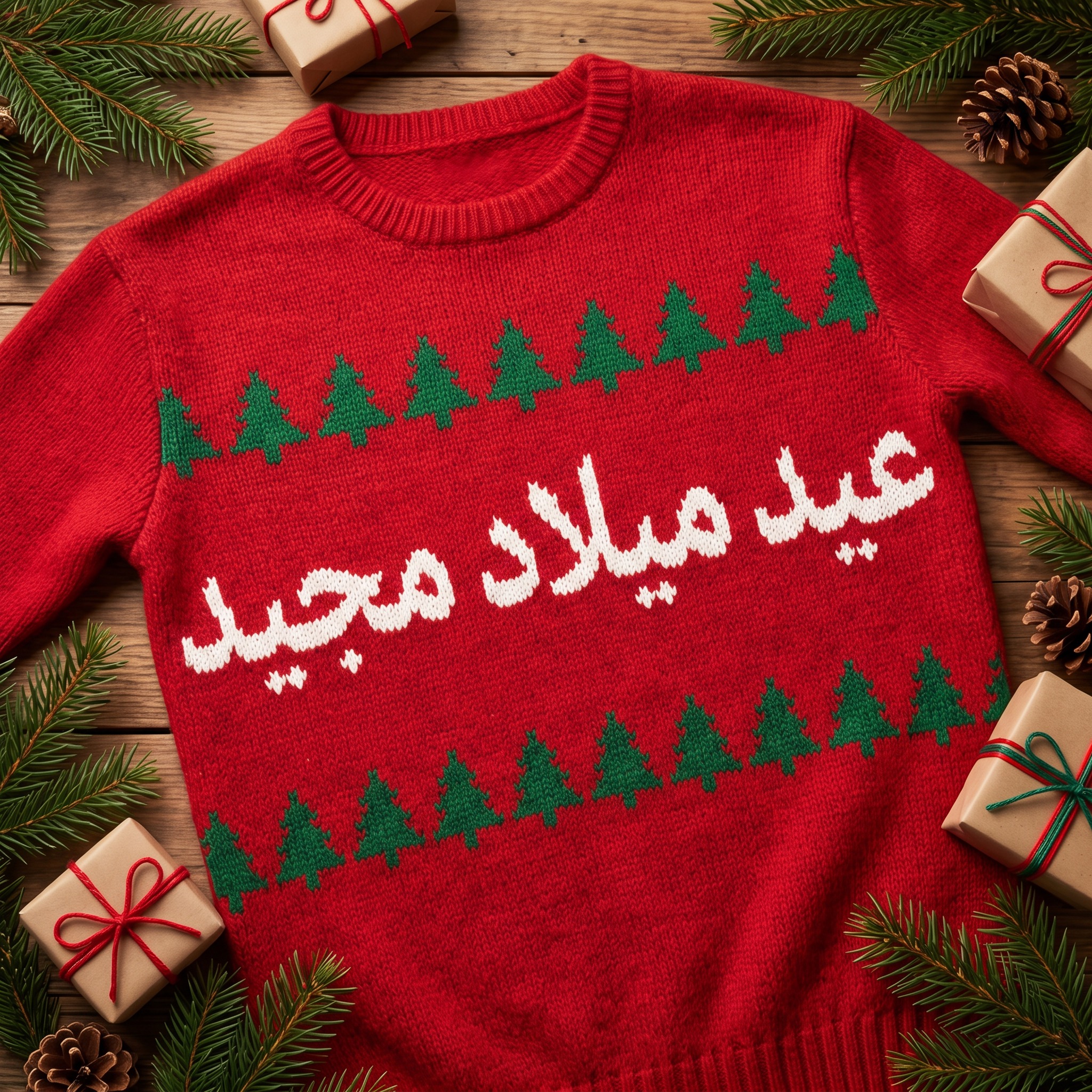
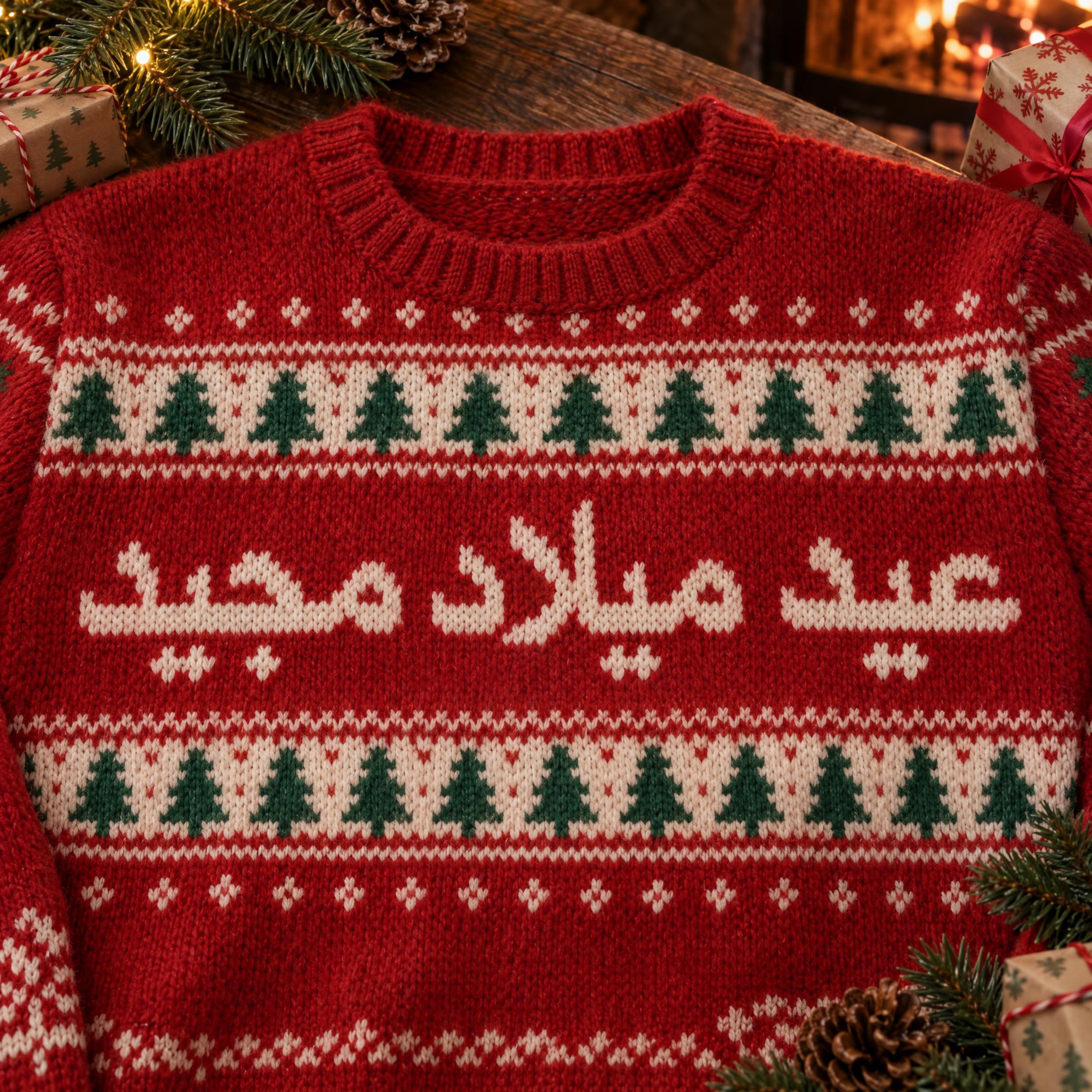
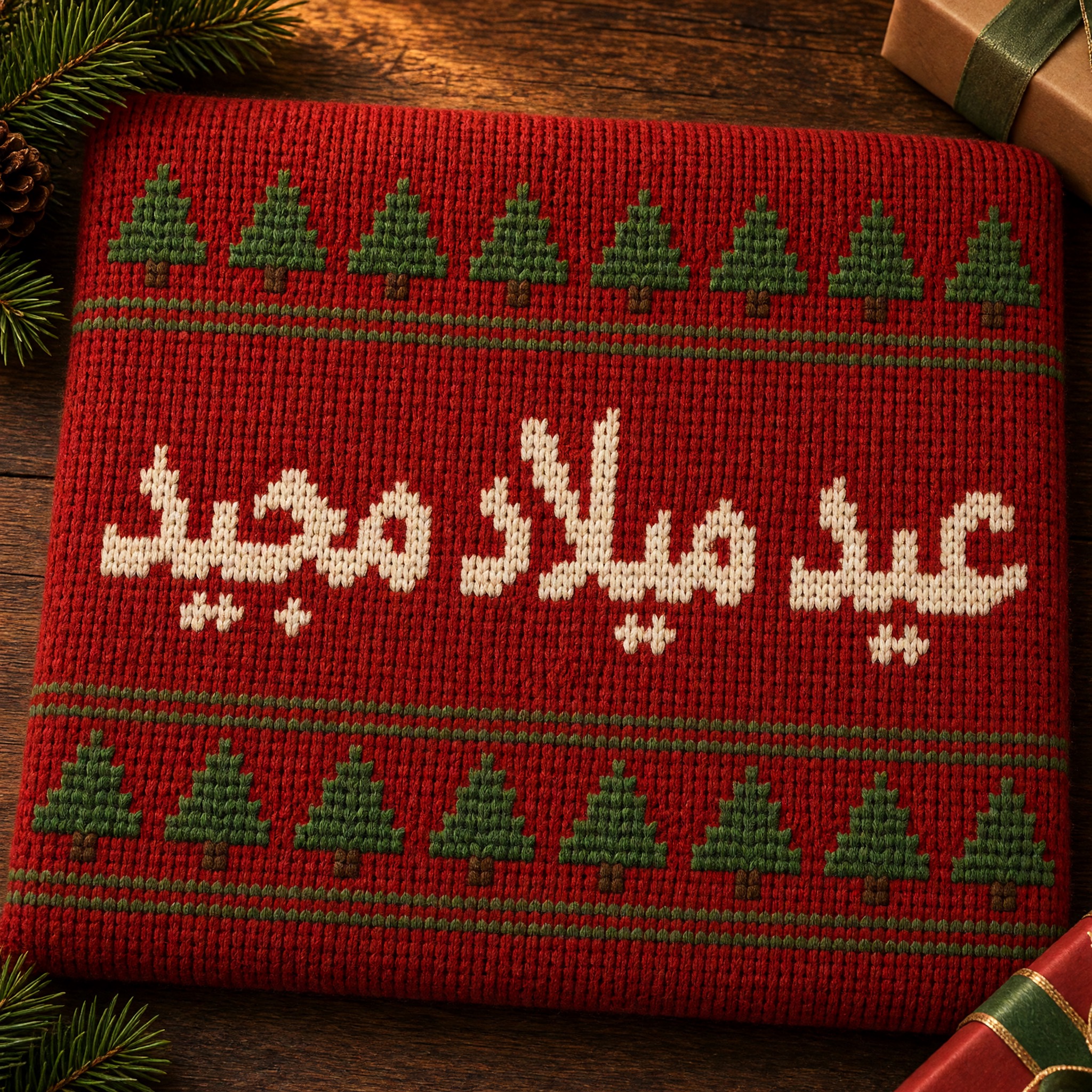
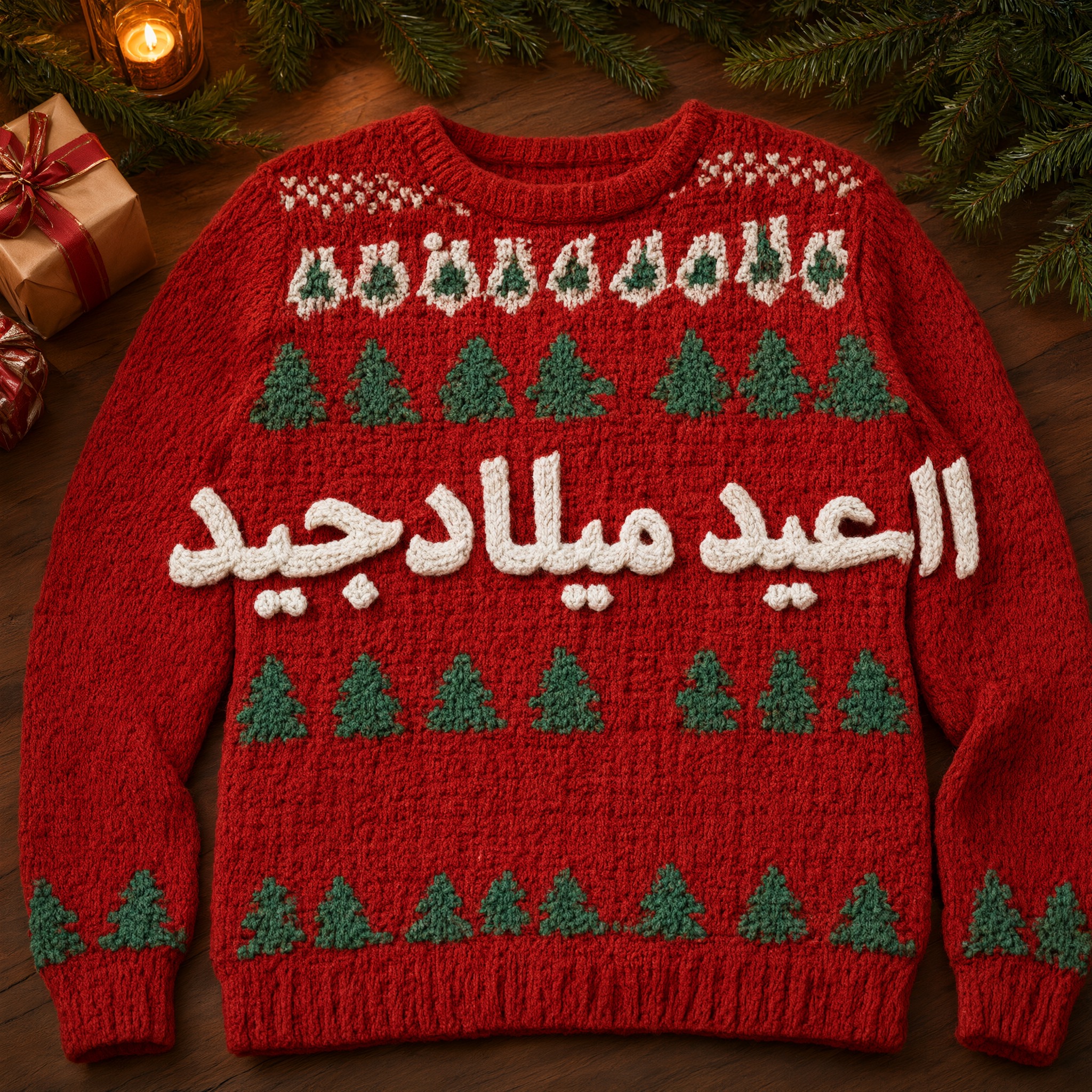
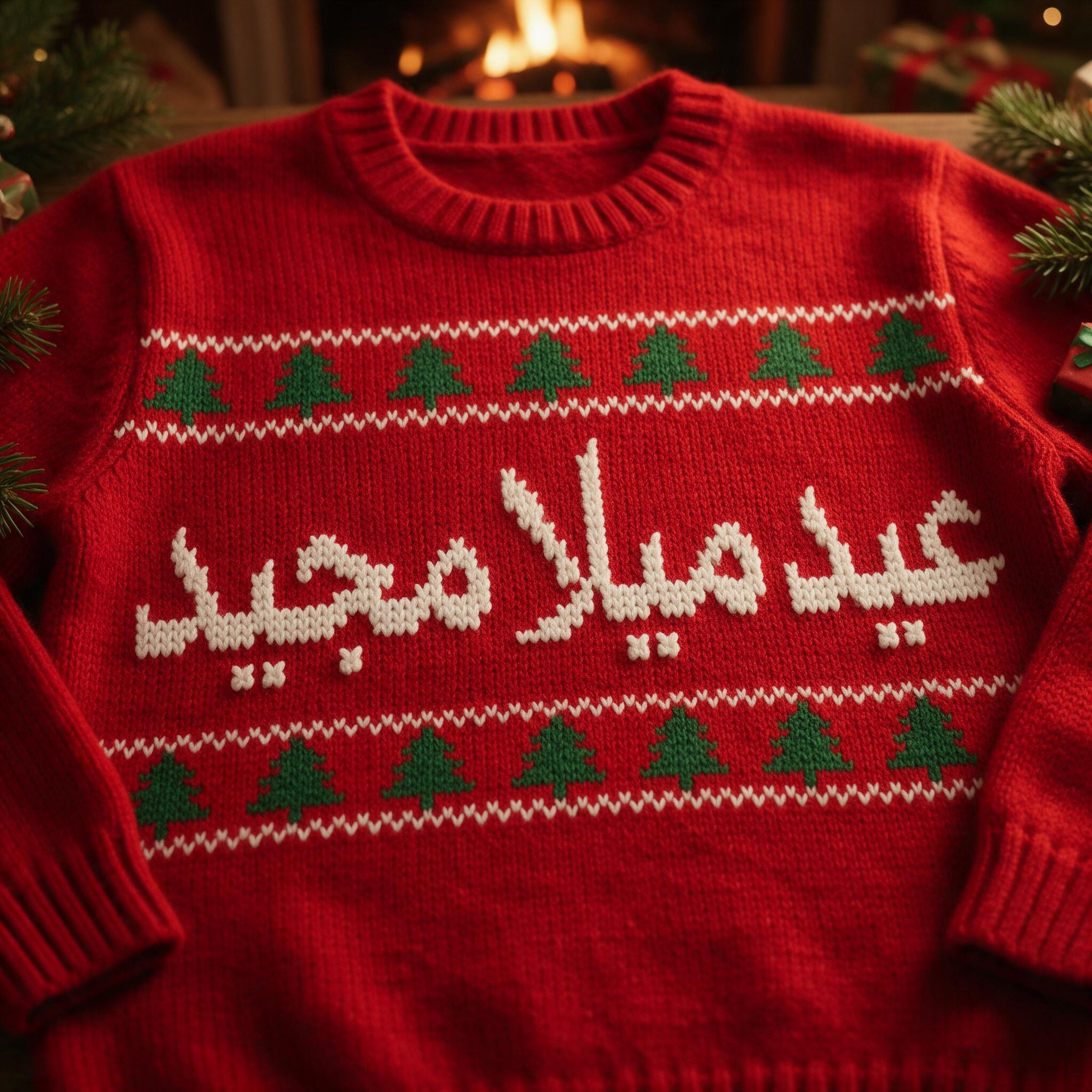
- Arabic: عيد ميلاد مجيد
That is 2 styles × 4 languages × 5 models = 40 images, one each. We decided before running it that if the gap disappeared, this article would say so.
Between these two fonts the starting gap was small. In the font data, candy cane was right in 31 of 34 scored first images (one more was unsure) and Christmas sweater in 33 of 35. In the Merry Christmas test, the gap between candy cane and sweater lettering disappeared. We compared only these two fonts this way, so this says nothing yet about gingerbread, Christmas cursive or snow lettering.
| Style | Spelled right | Unsure |
|---|---|---|
| Candy cane (letters made of objects) | 16/17 | 3 |
| Christmas sweater (knitted letters) | 17/20 | 0 |
Even if all 3 unsure candy cane images were wrong, that would be 16 of 20 against 17 of 20. In the Merry Christmas test the candy canes did not break more words. They did make more images that are hard to read with certainty: all 3 unsure images were candy cane, and in each one a piece of the decoration is the problem, a cane hooked into メ or candy balls that may pass for Arabic dots. If someone else has to read your card, that matters too.
The misses lined up by model and by script. Scored images per cell, both styles together:
| Model | English | Japanese | Chinese | Arabic | All |
|---|---|---|---|---|---|
| Nano Banana 2.1 | 2/2 | 2/2 | 2/2 | 2/2 | 8/8 |
| GPT Image 2.5 | 2/2 | 2/2 | 2/2 | 2/2 | 8/8 |
| Grok Imagine Image 2.0 | 2/2 | 2/2 | 2/2 | 1/1, 1 unsure | 7/7, 1 unsure |
| Qwen-Image 3.0 Pro | 2/2 | 2/2 | 2/2 | 0/1, 1 unsure | 6/7, 1 unsure |
| Seedream 5.0 Pro | 2/2 | 1/1, 1 unsure | 1/2 | 0/2 | 4/7, 1 unsure |
| All five | 10/10 | 9/9 | 9/10 | 5/8 | 33/37 |
In the Merry Christmas test, English was right in 10 of 10 scored images, Japanese in 9 of 9, Chinese in 9 of 10 and Arabic in 5 of 8. Nano Banana and GPT Image got all four languages right in both styles. Seedream left out part of the Arabic phrase in both styles and knitted quotation marks around the Chinese.
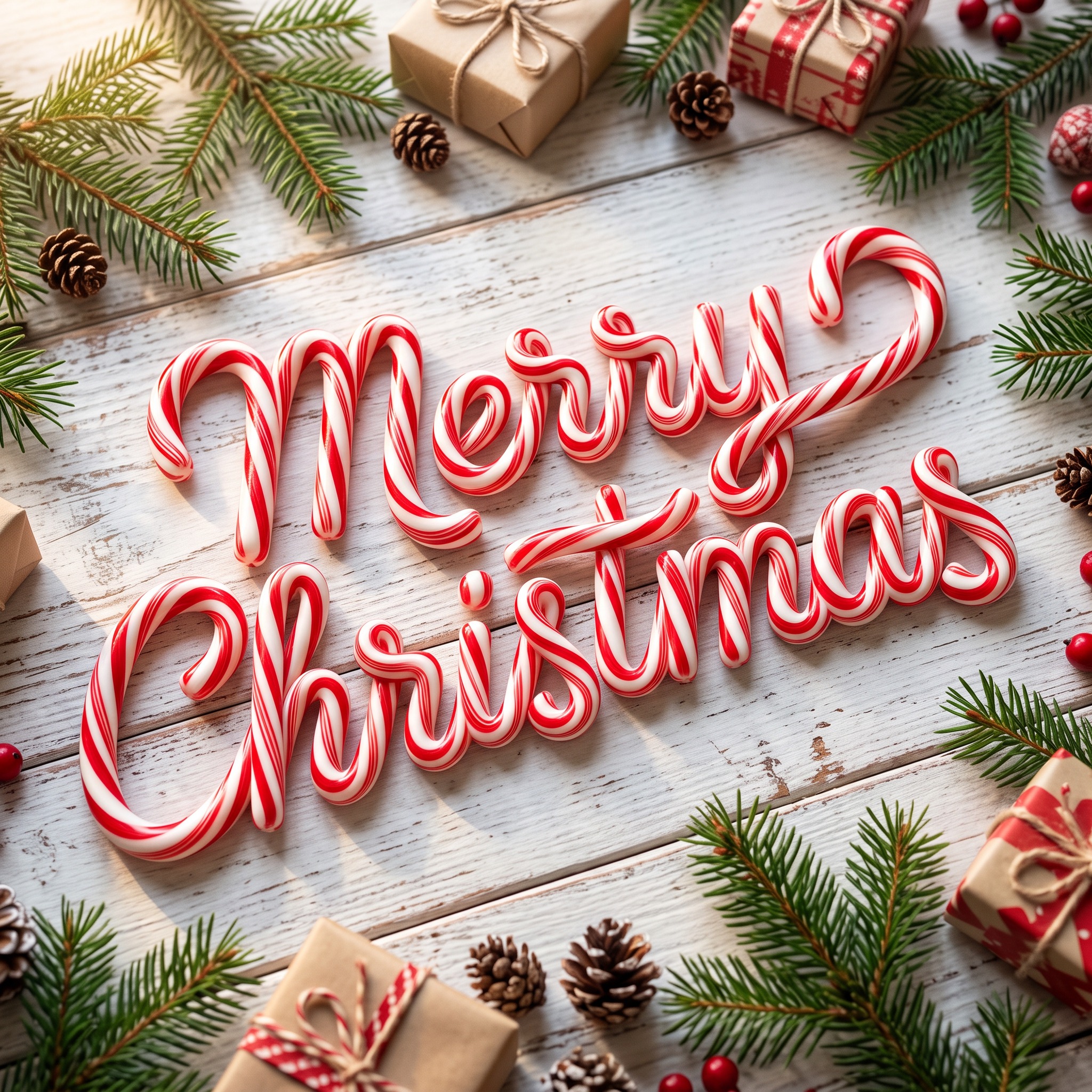
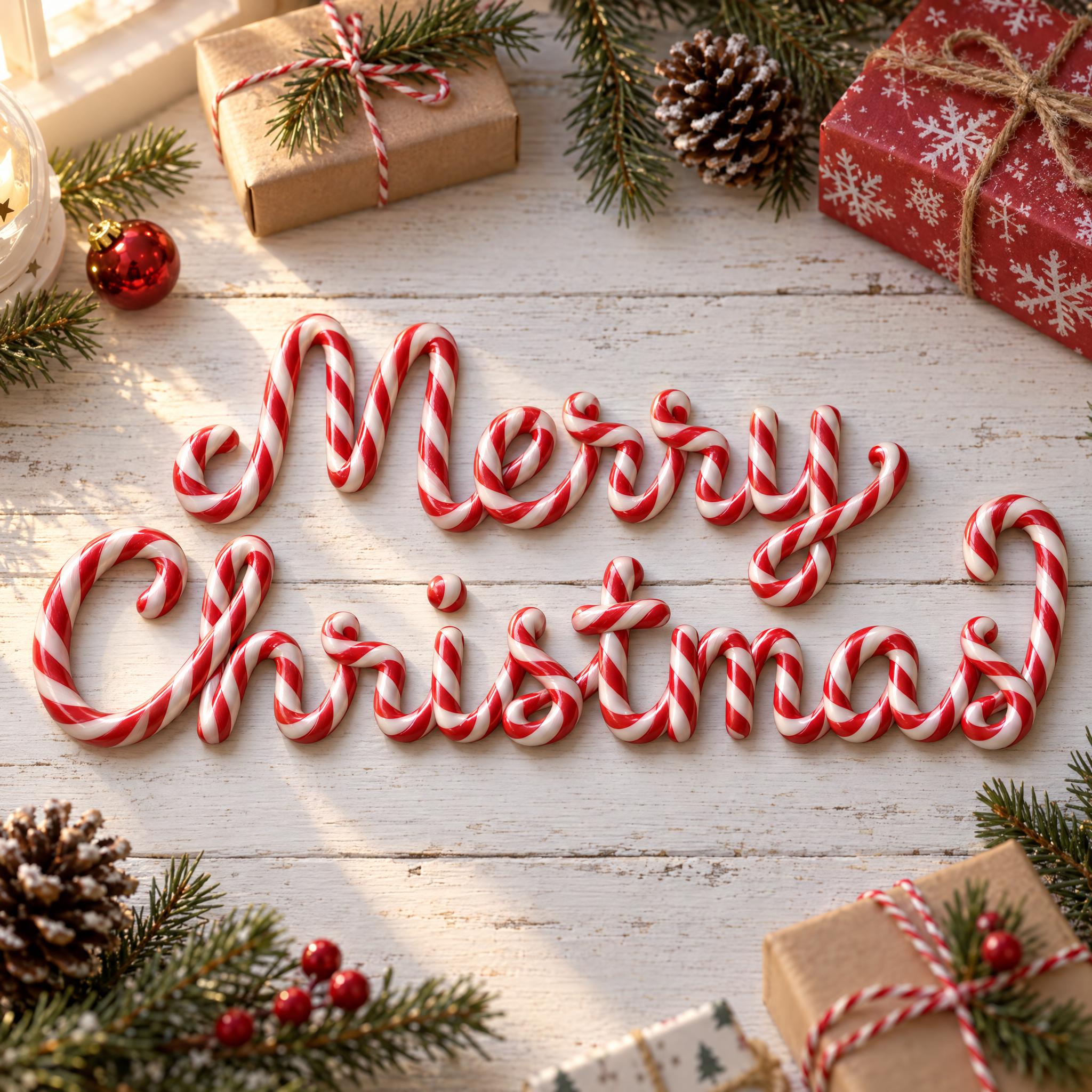
All 40 images are below, with what each one actually says. We did not pick or retouch any.
English: Merry Christmas
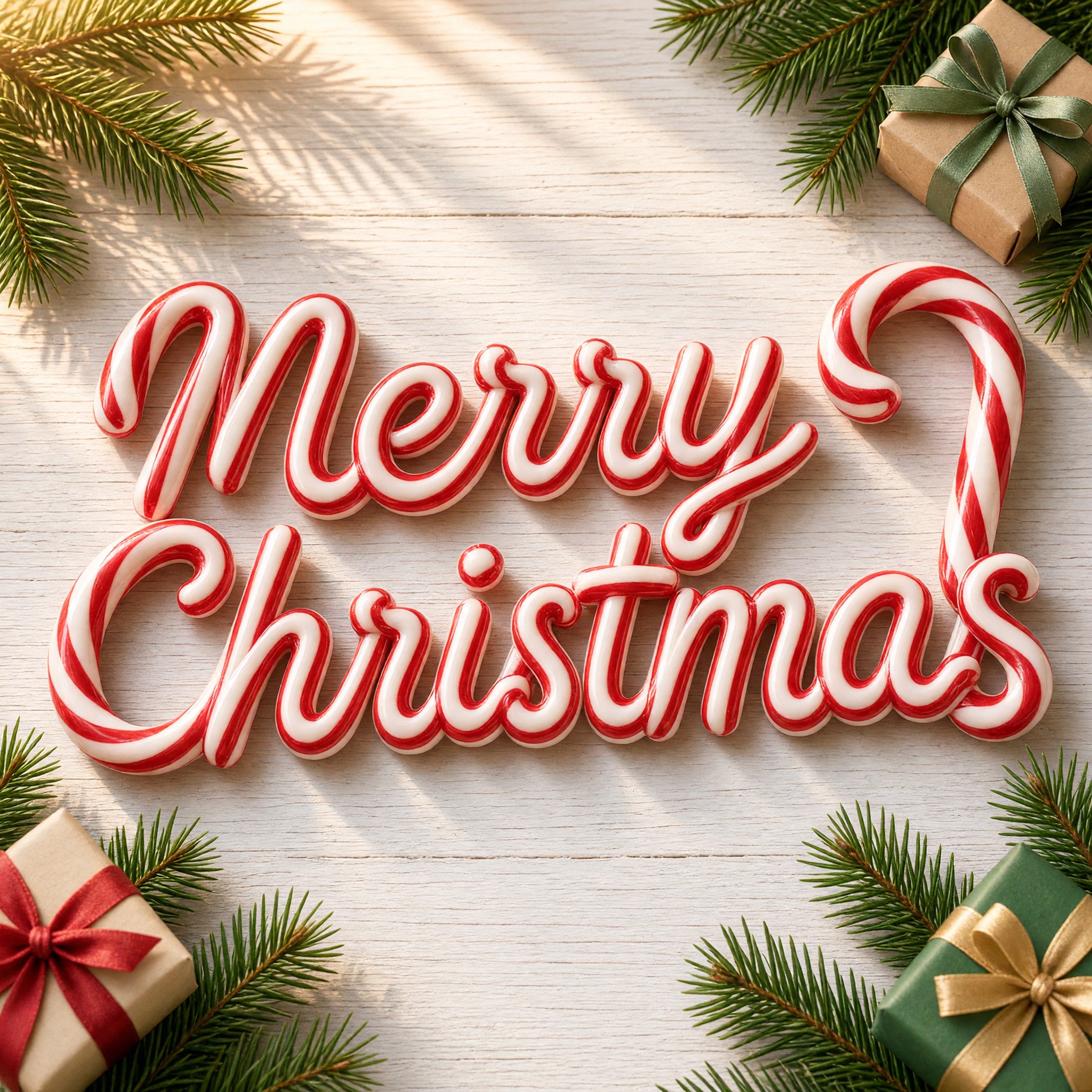
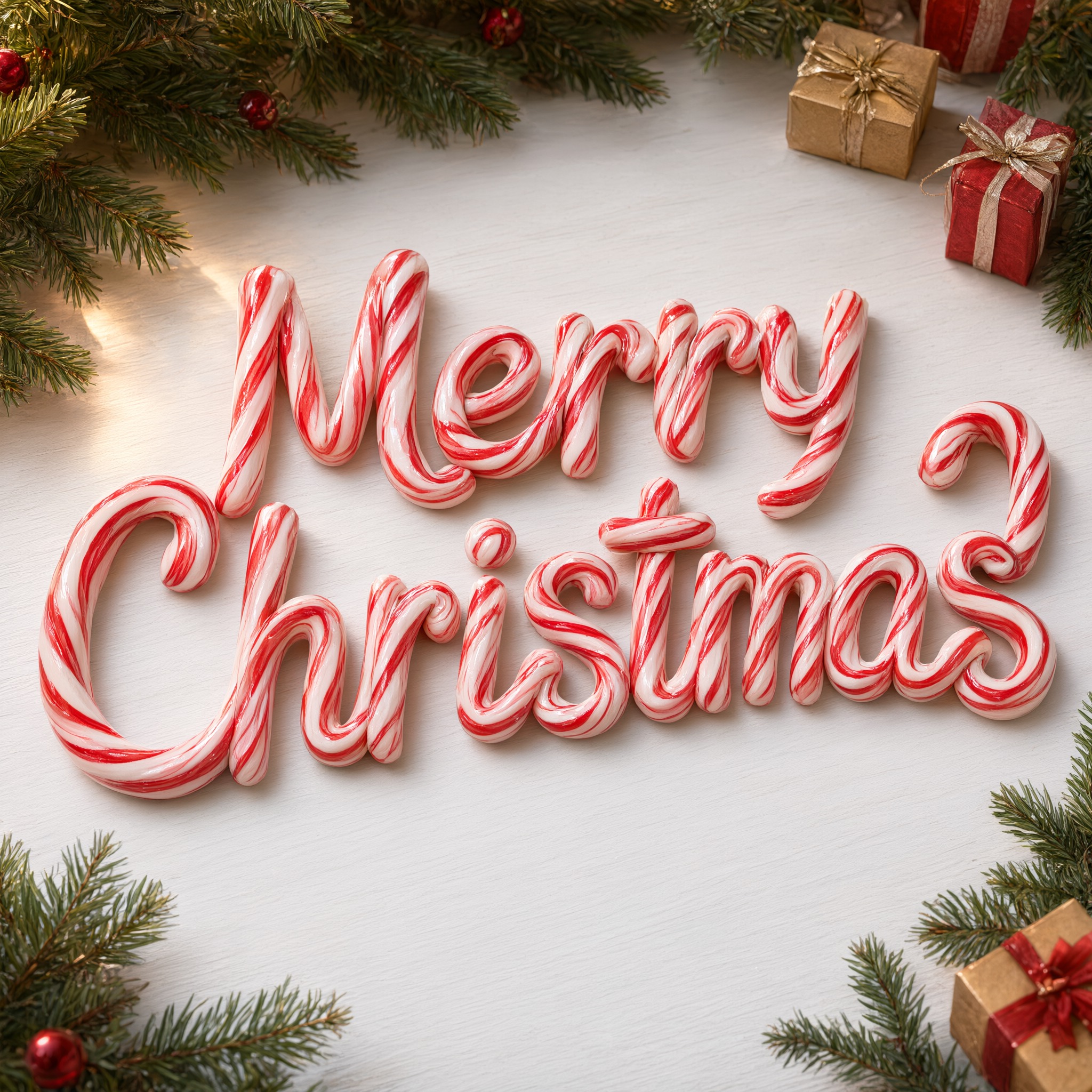
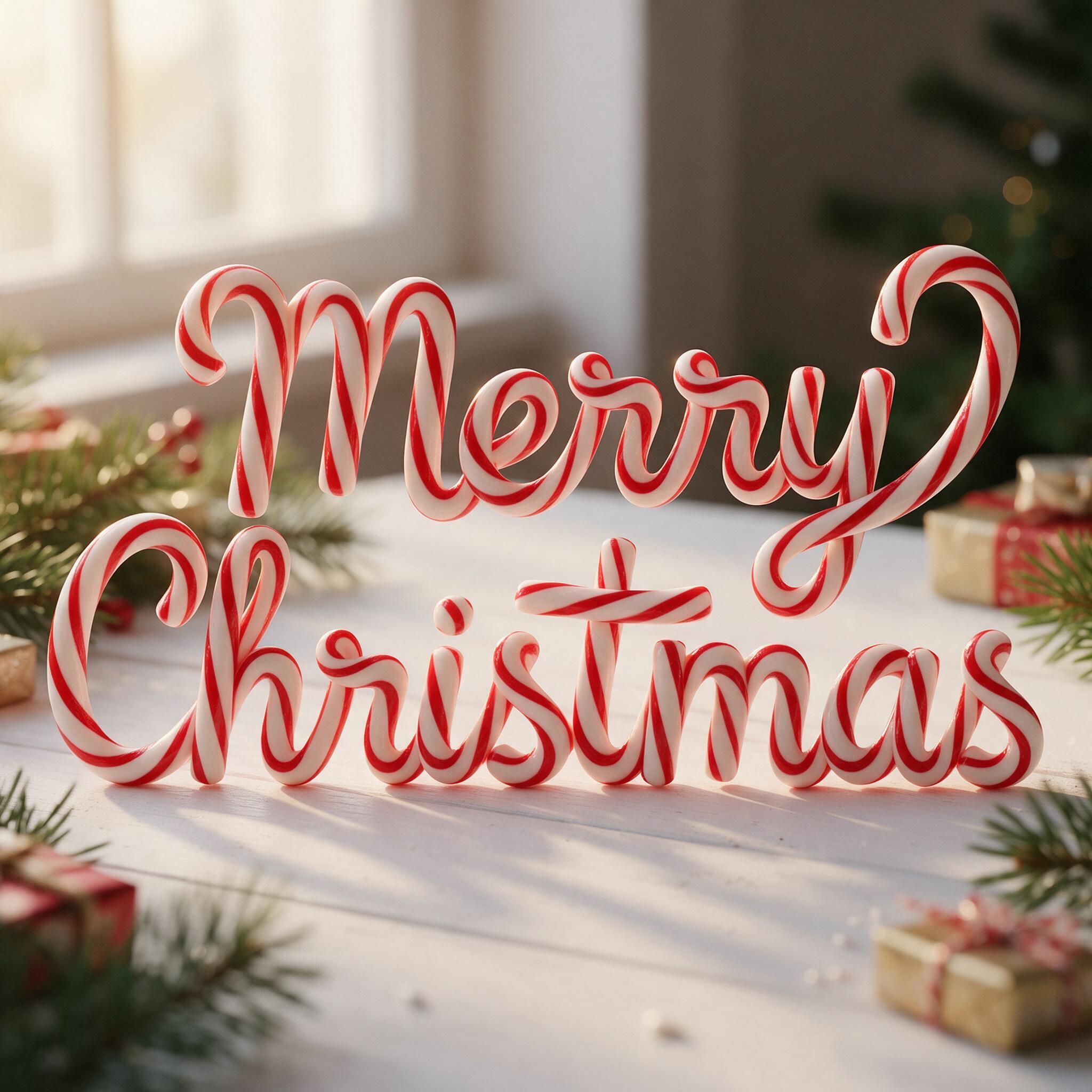
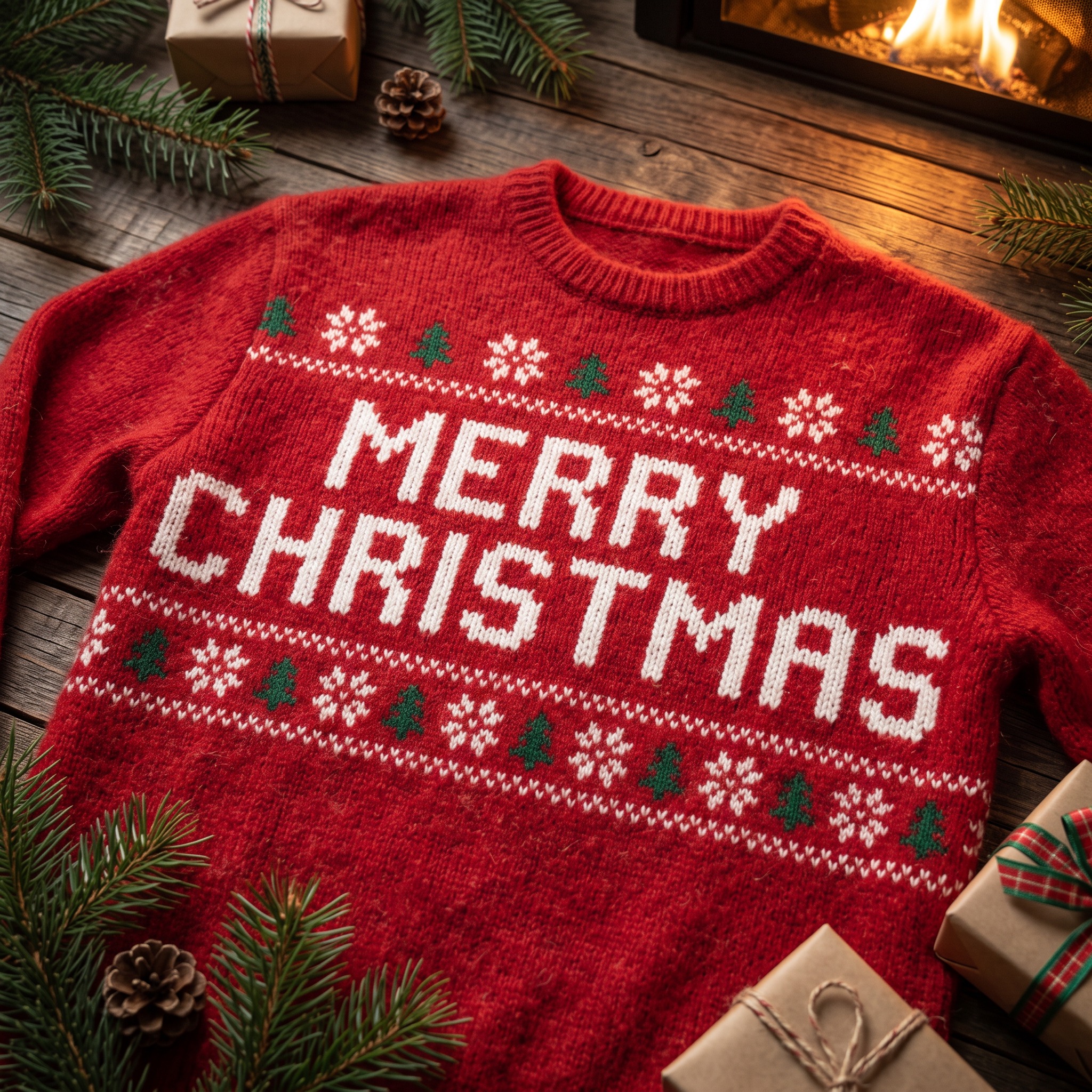
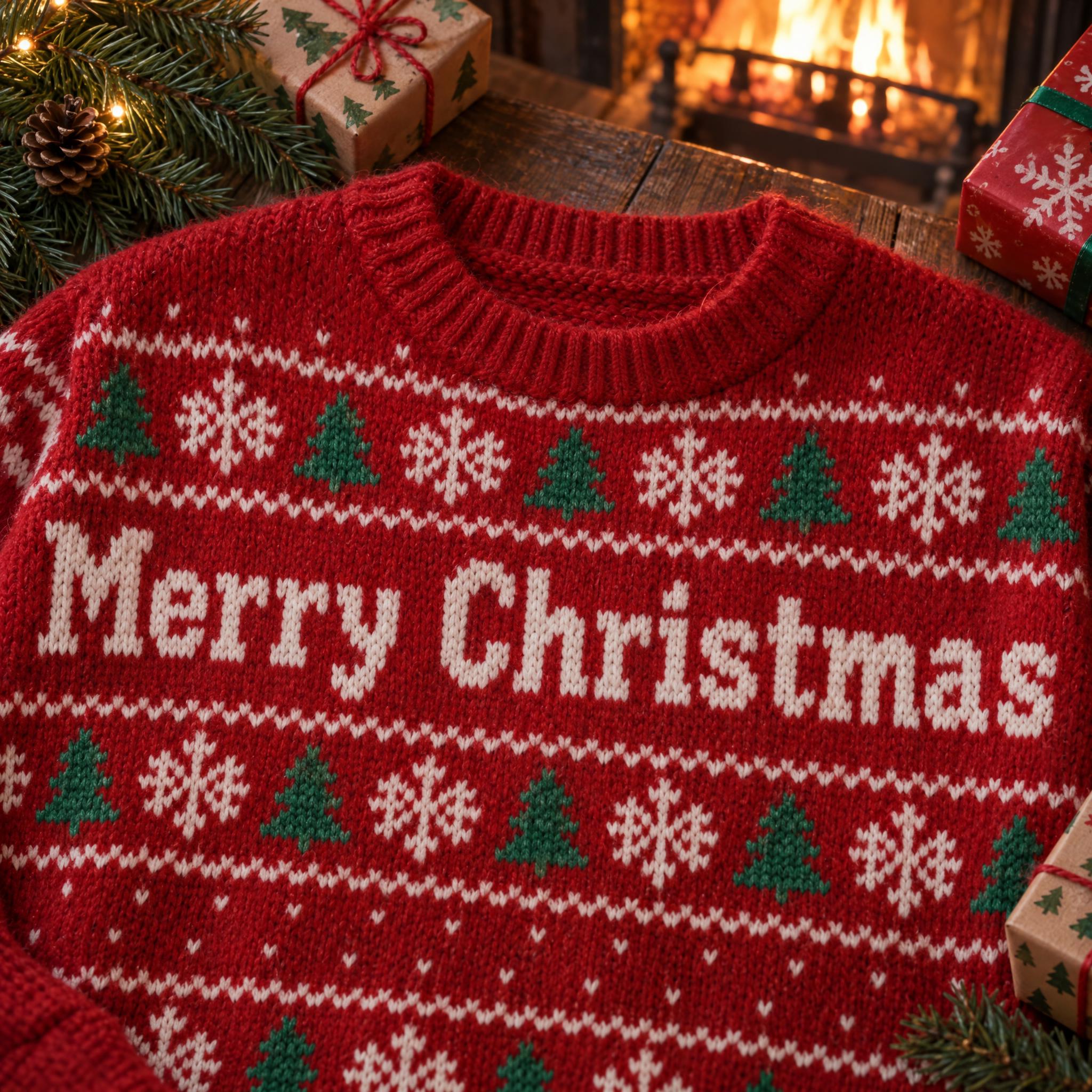
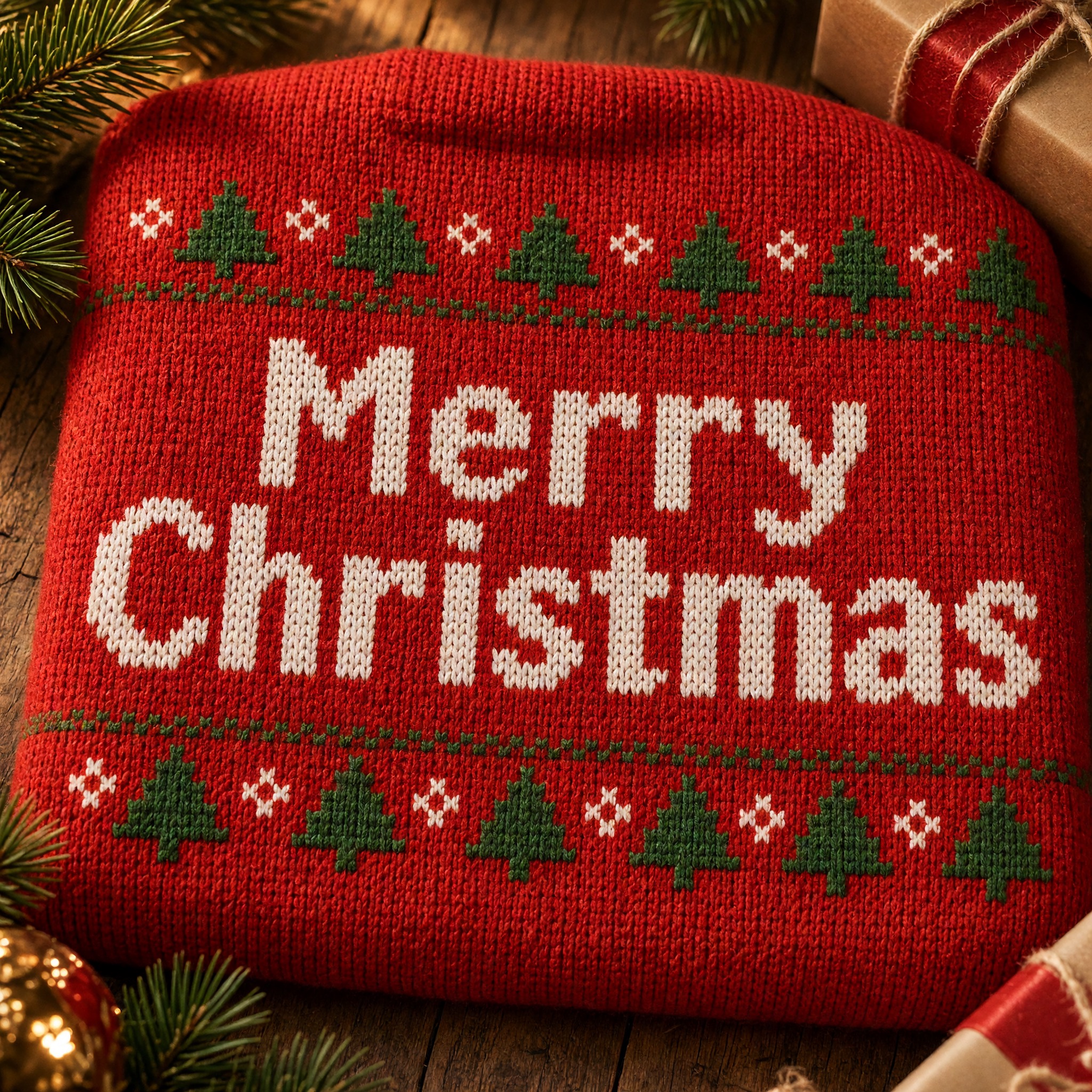
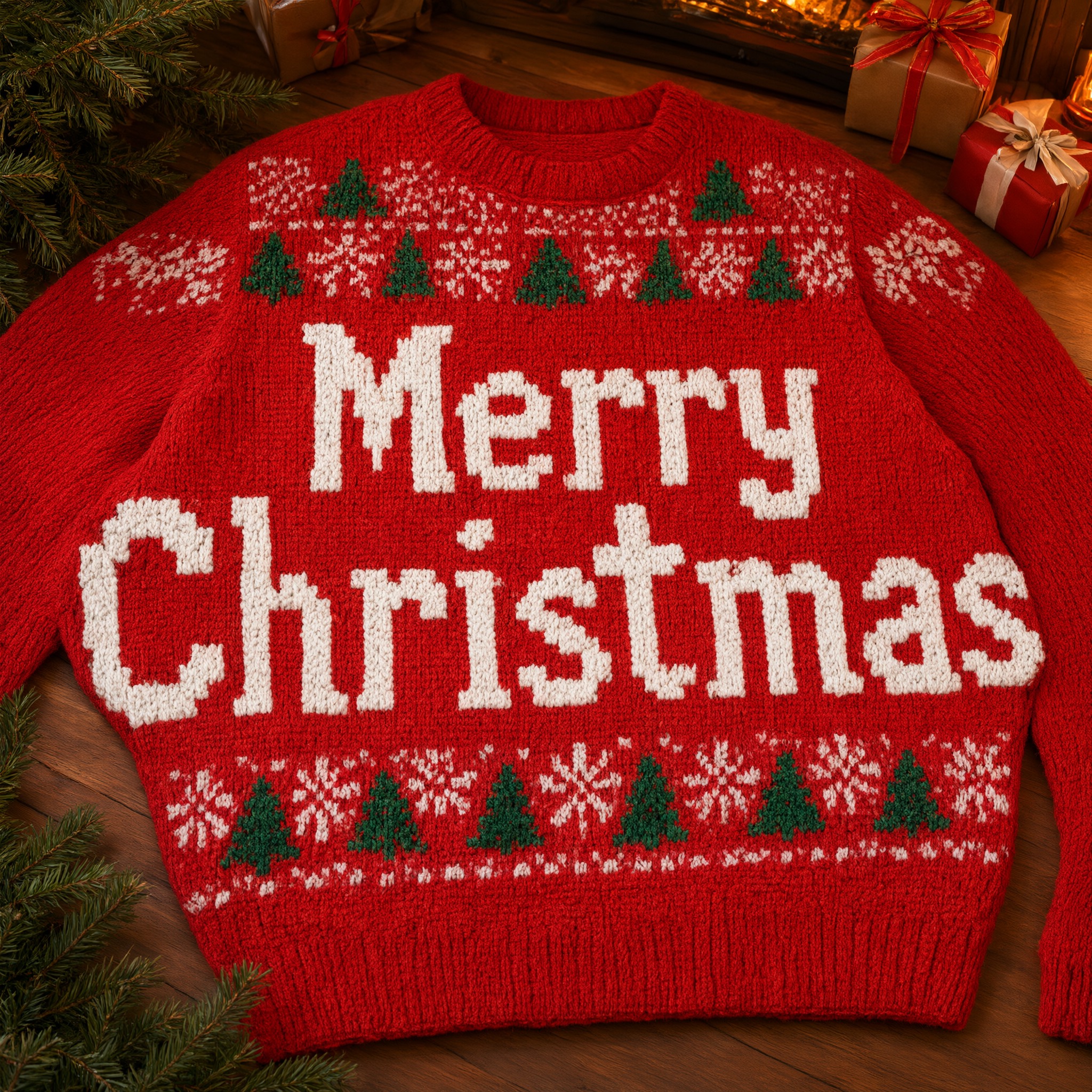
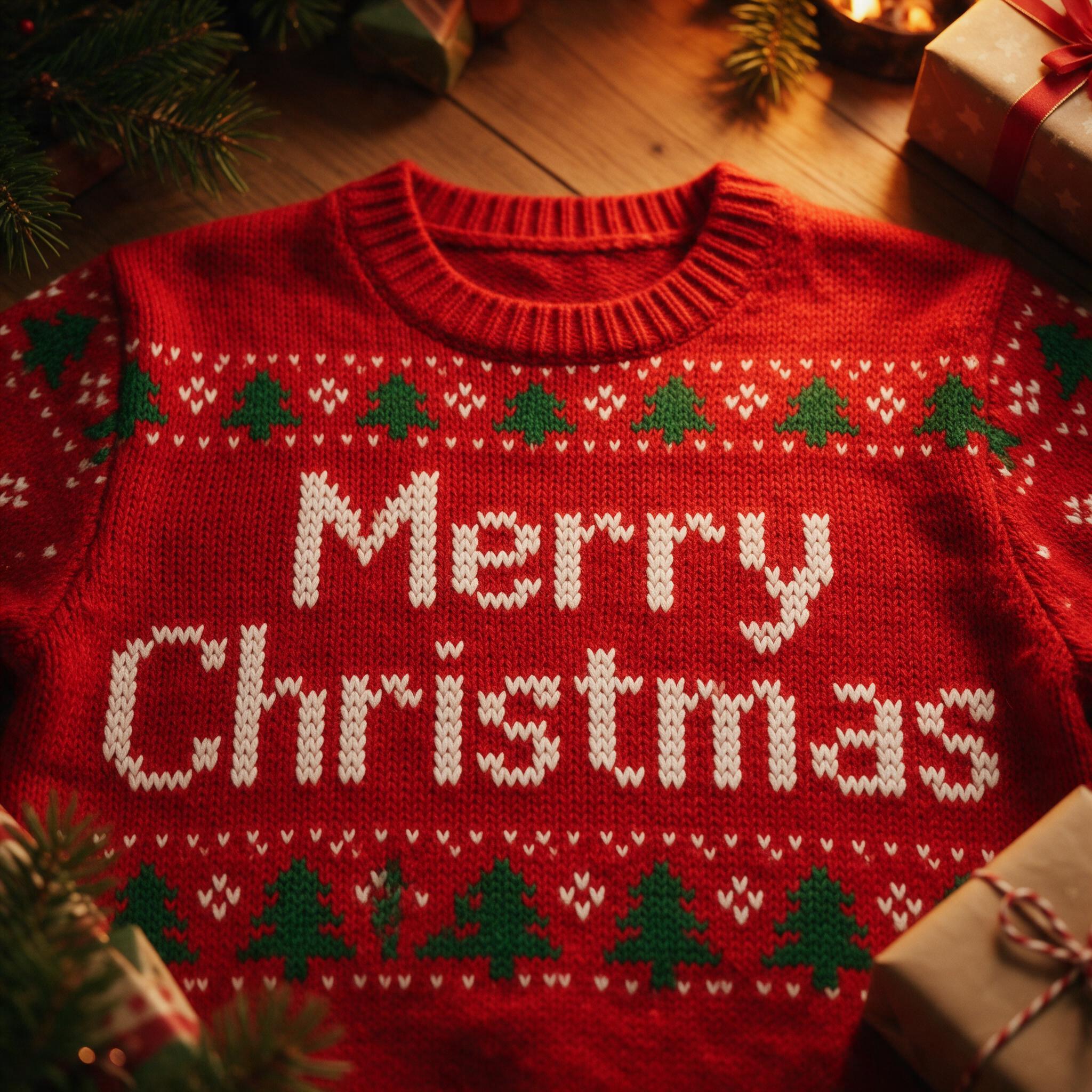
Japanese: メリークリスマス
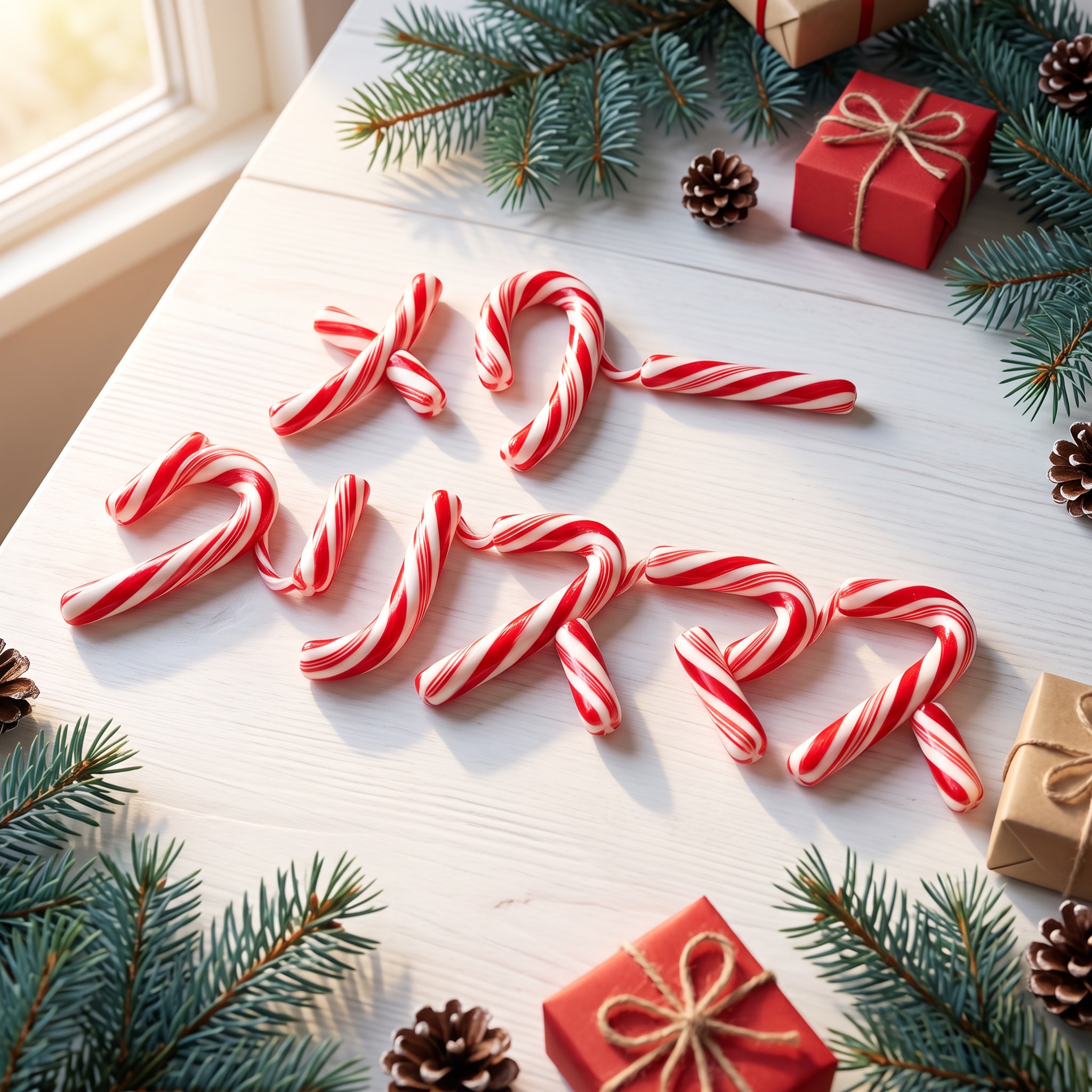
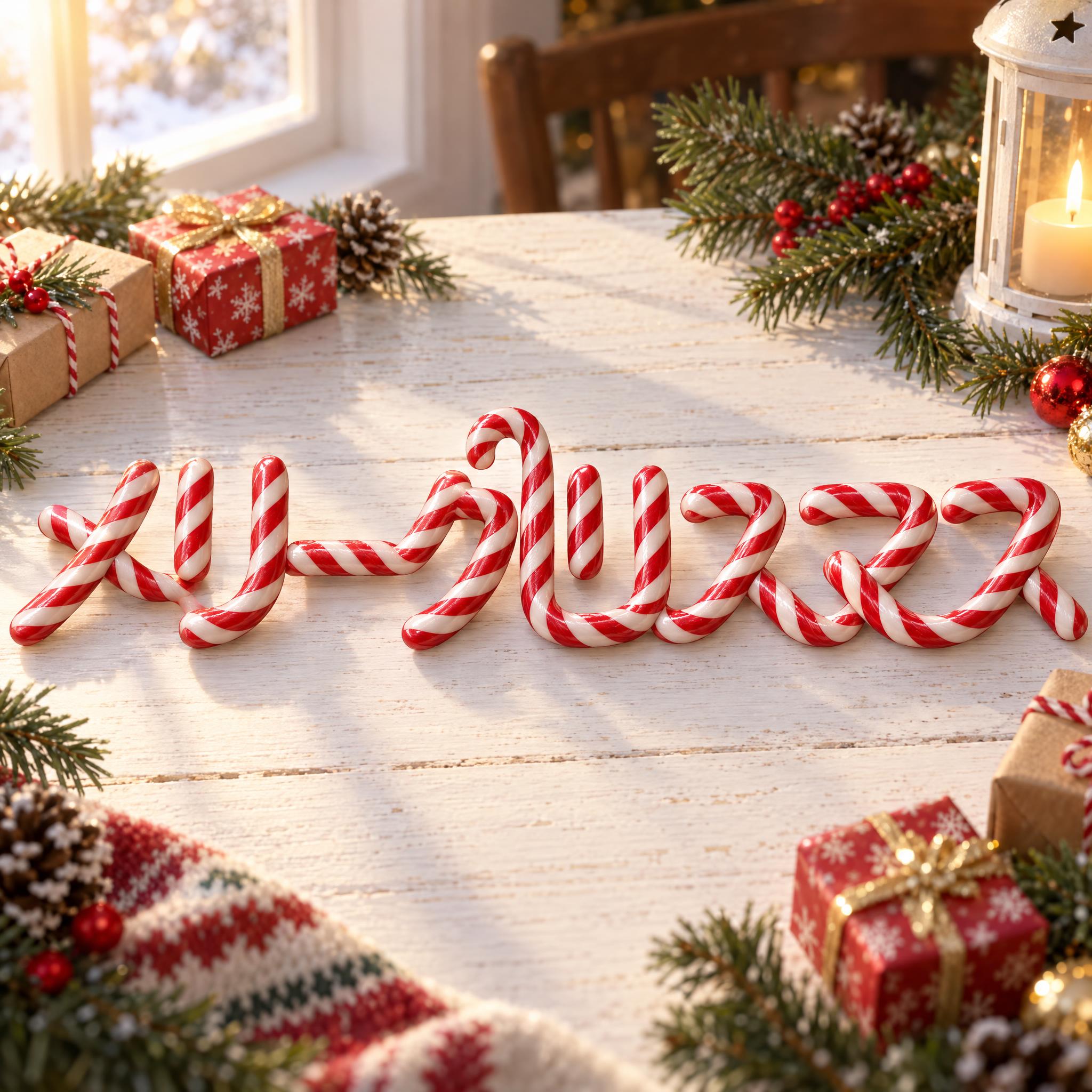
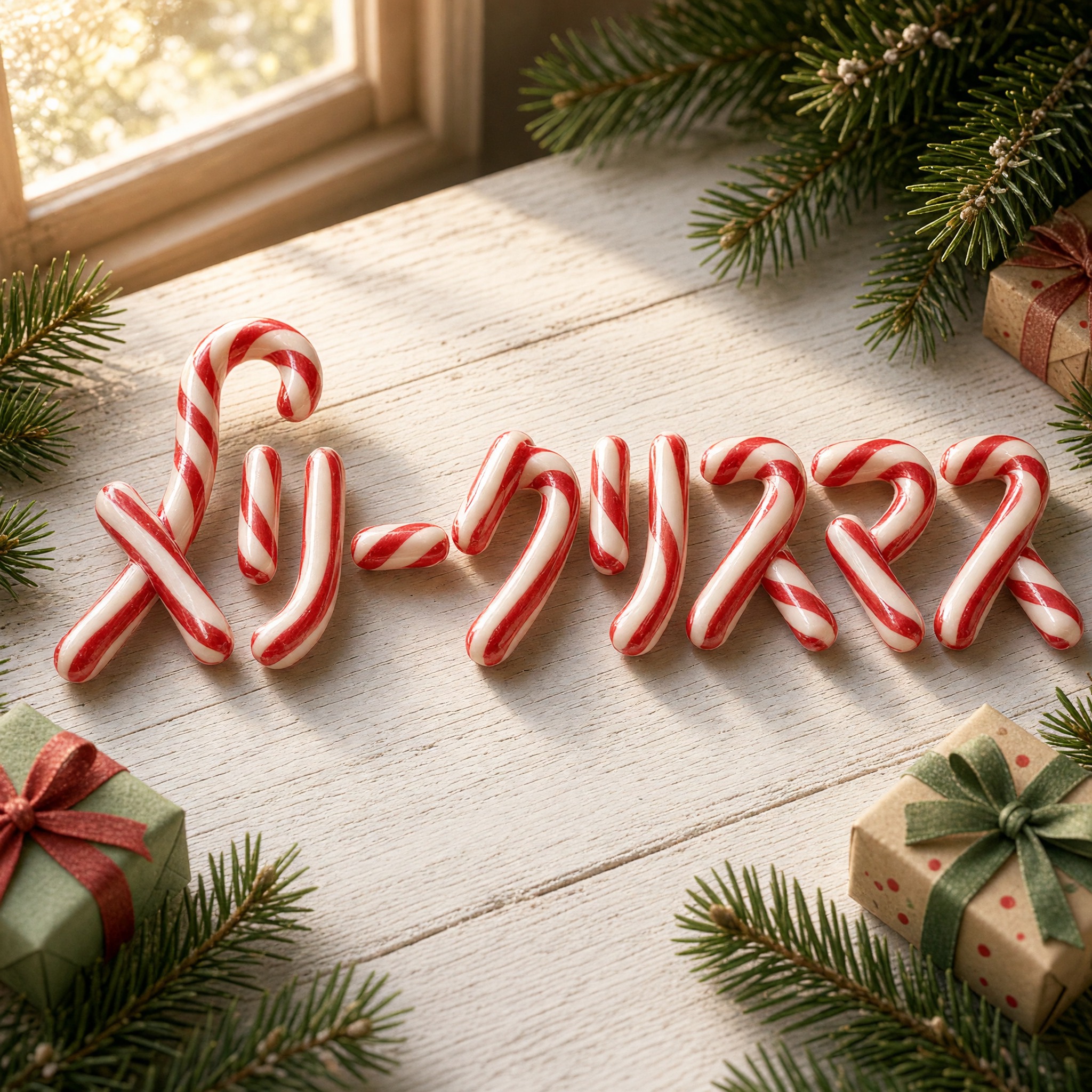
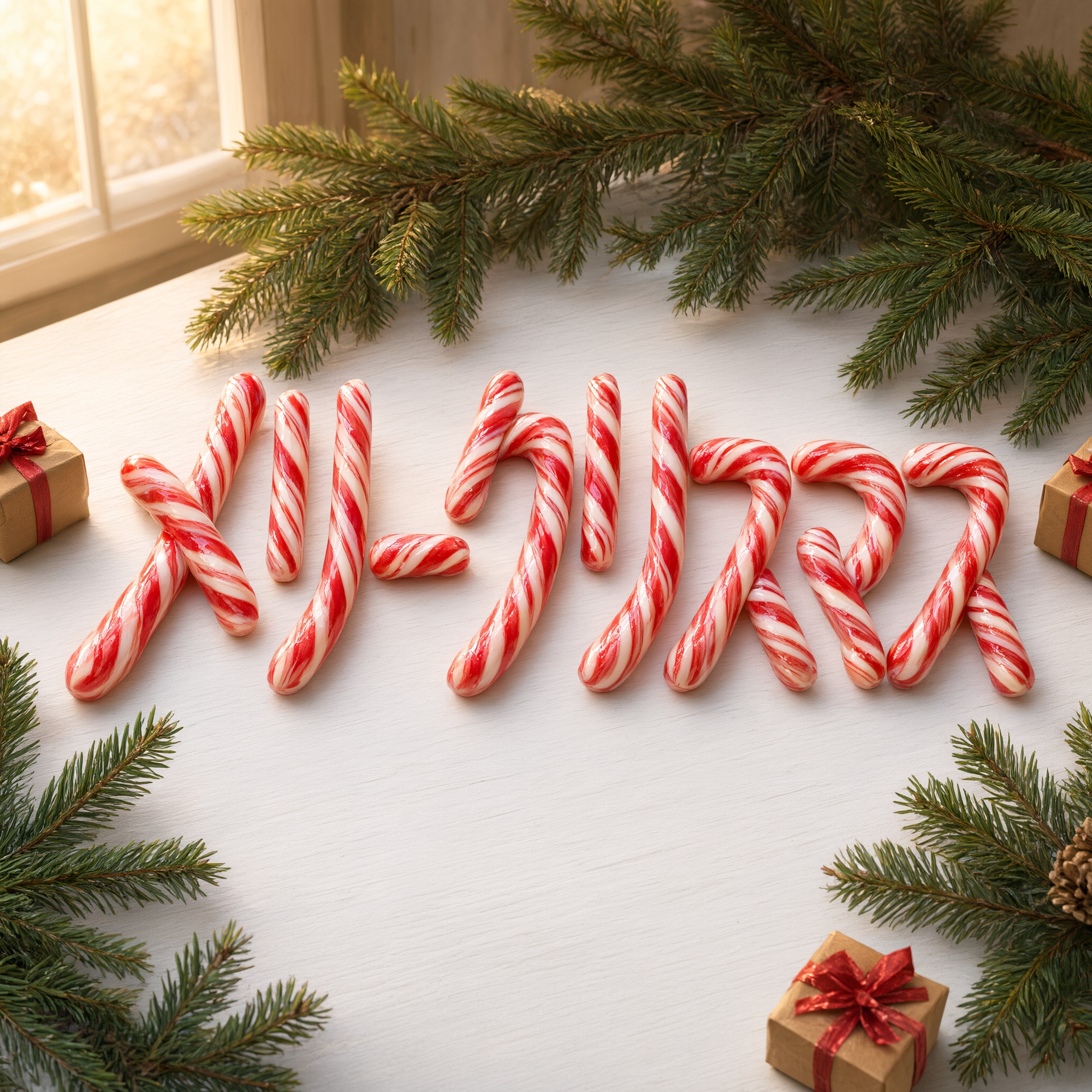
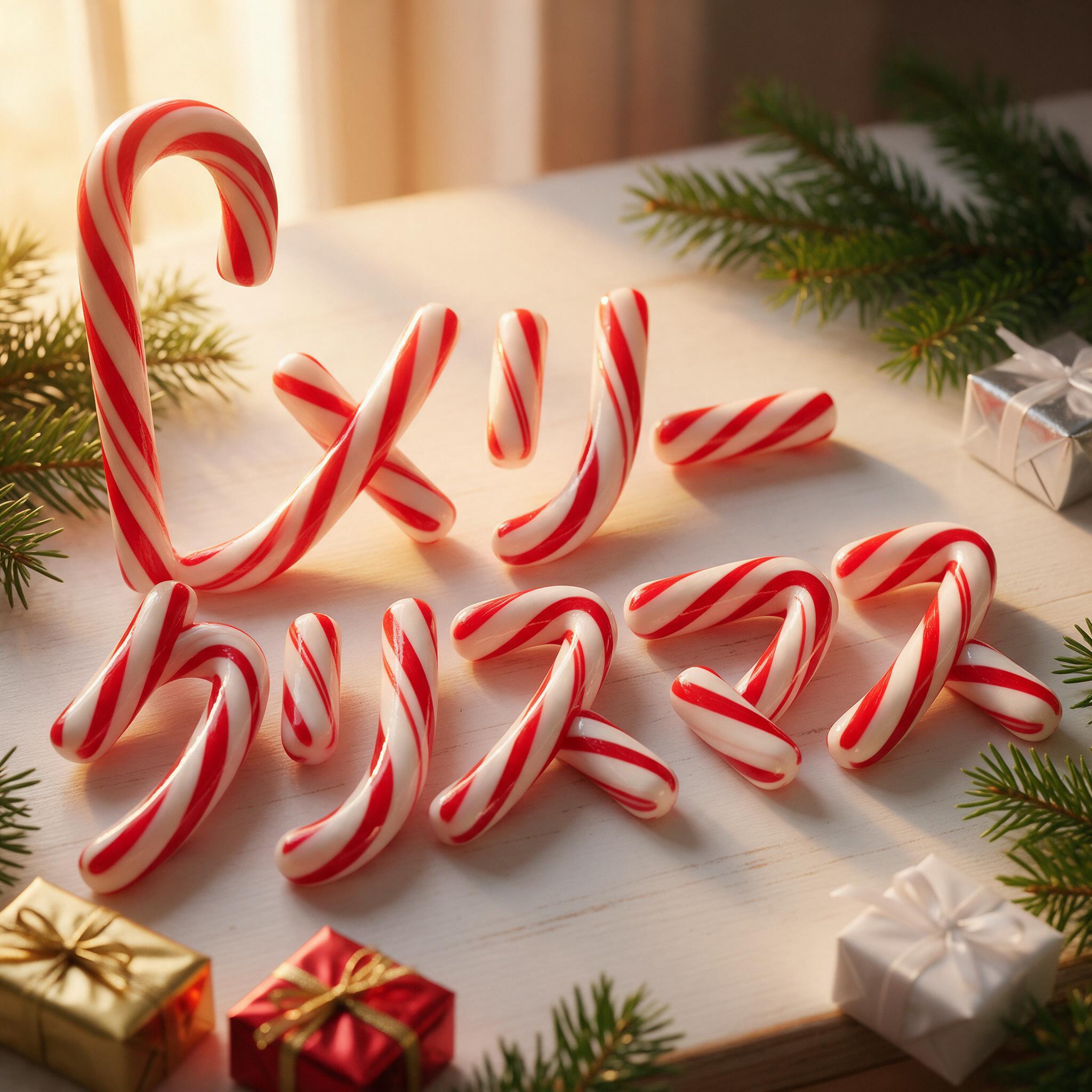
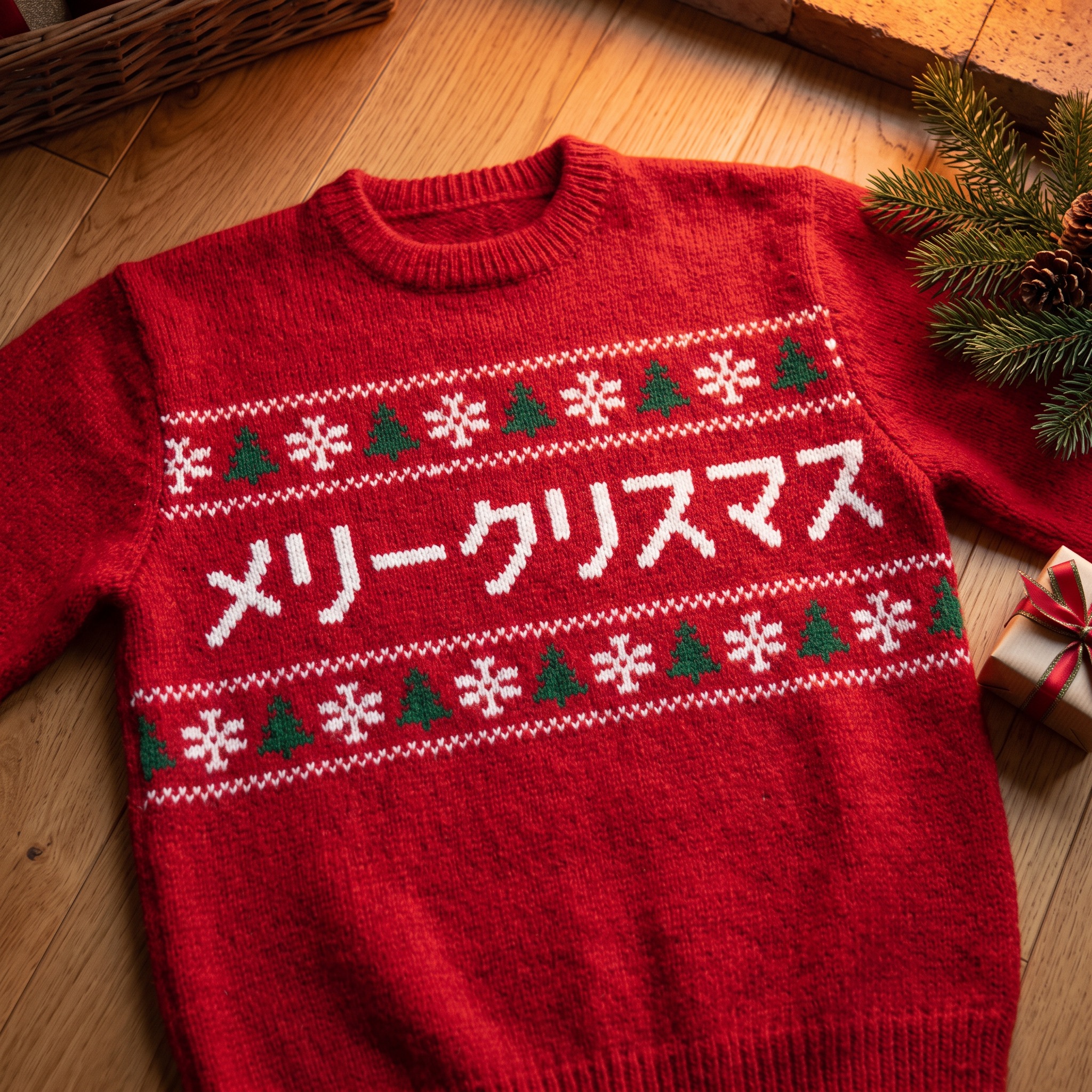
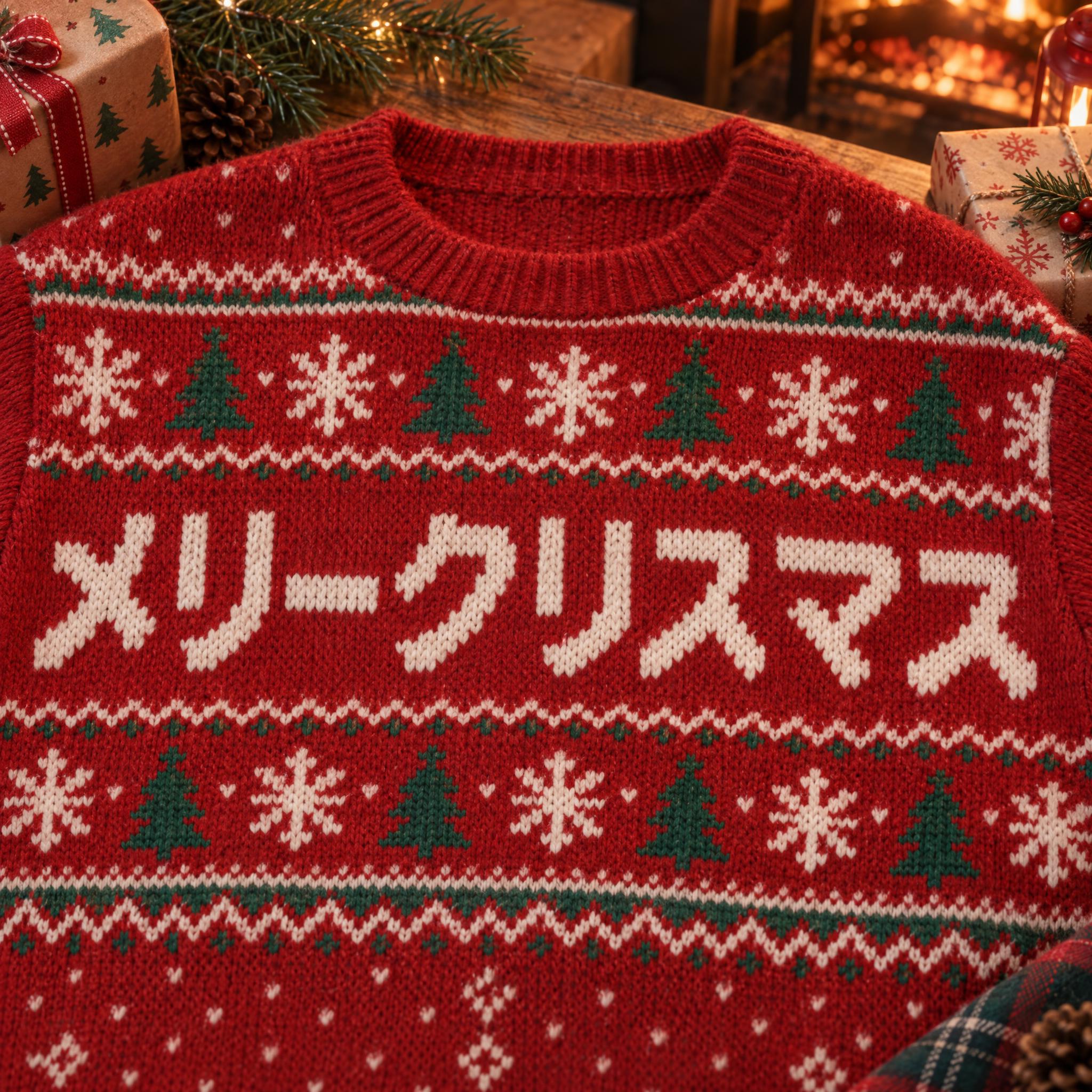
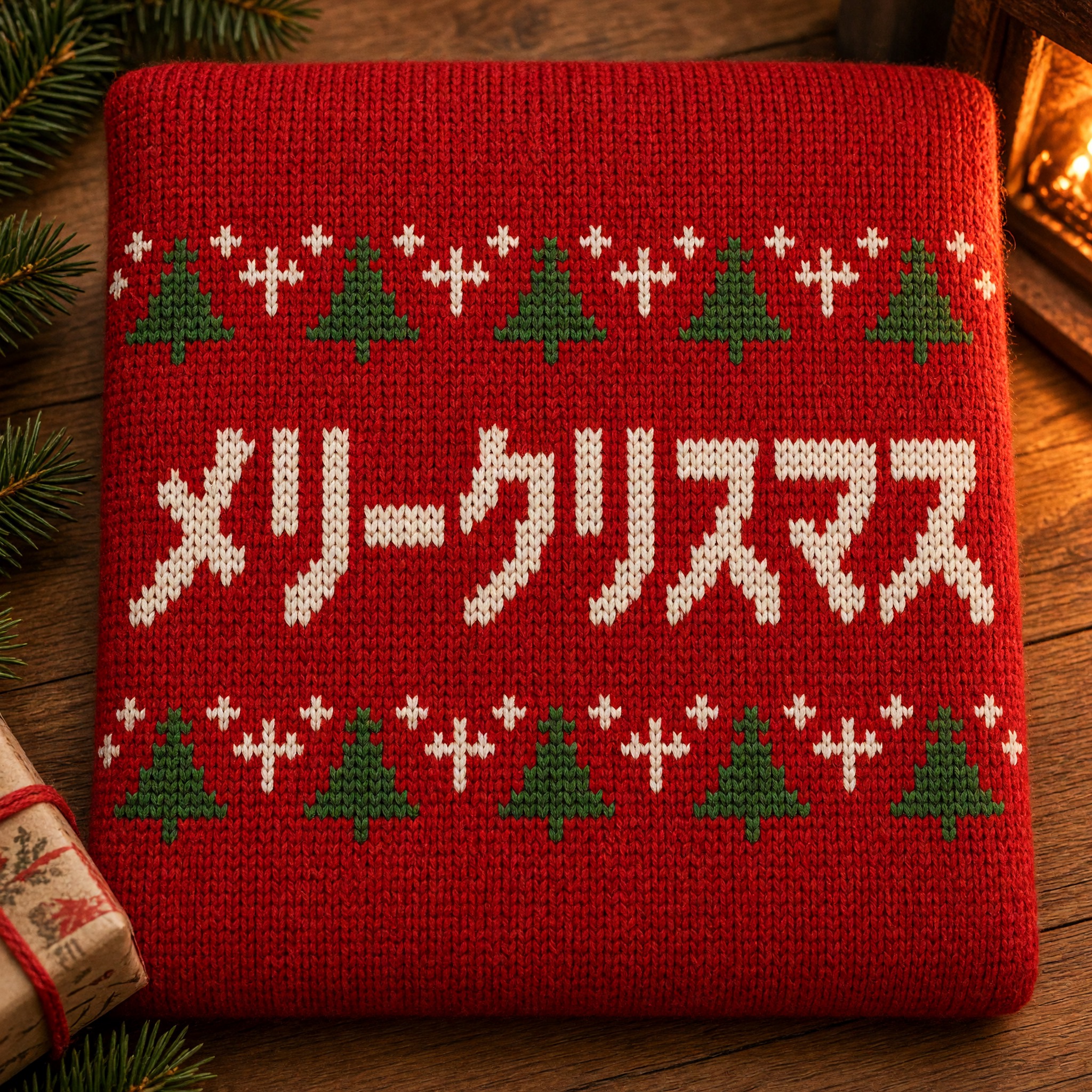
Chinese: 圣诞快乐
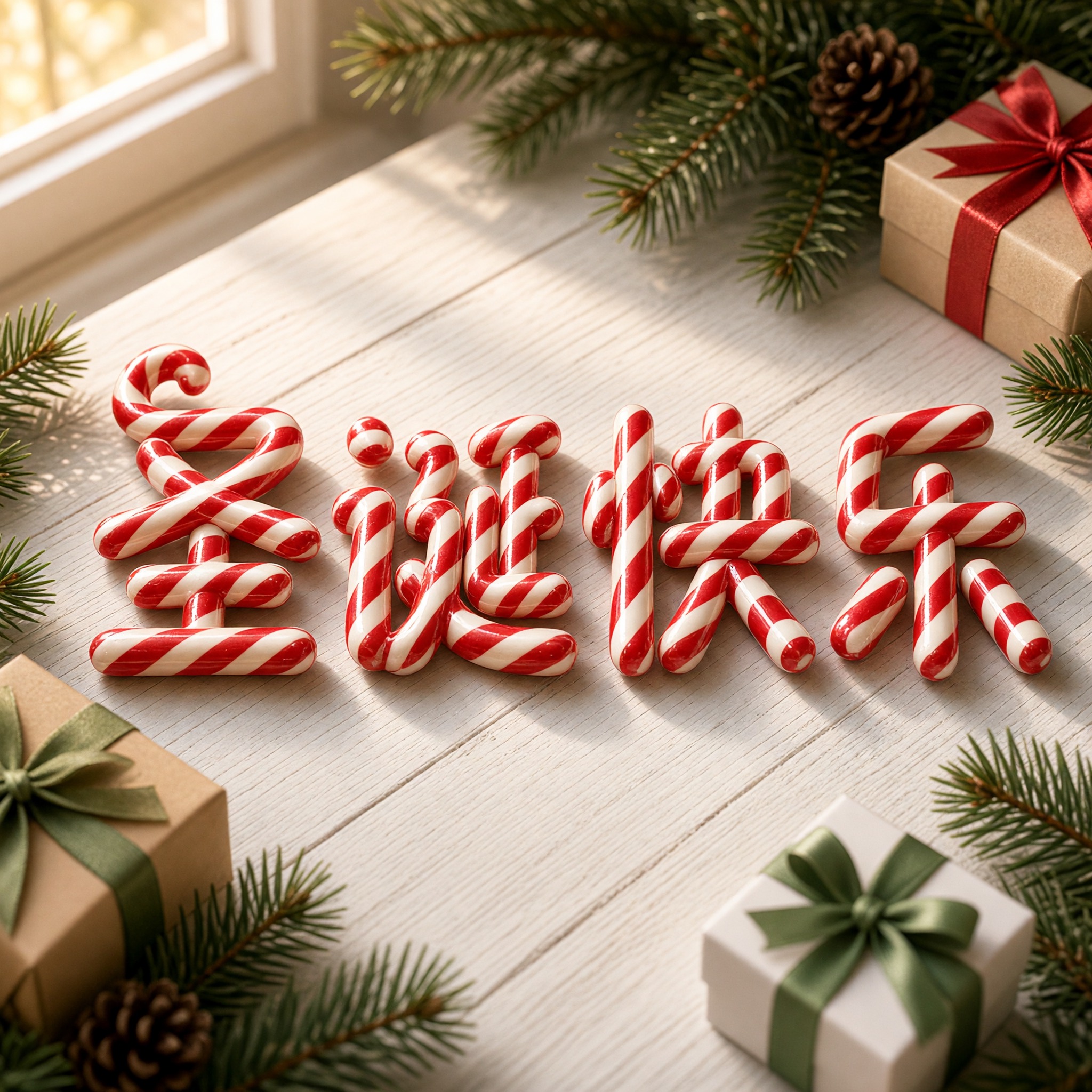
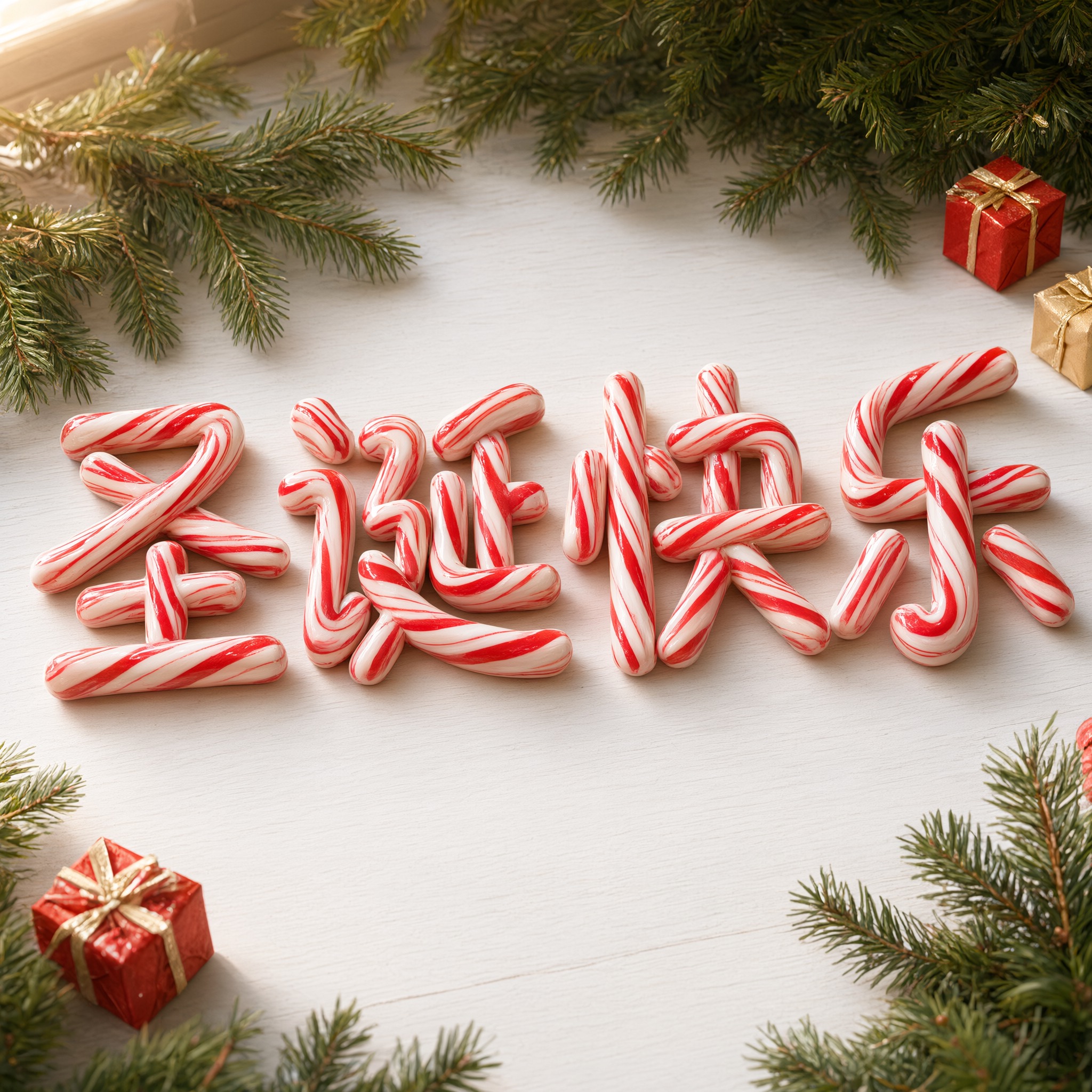
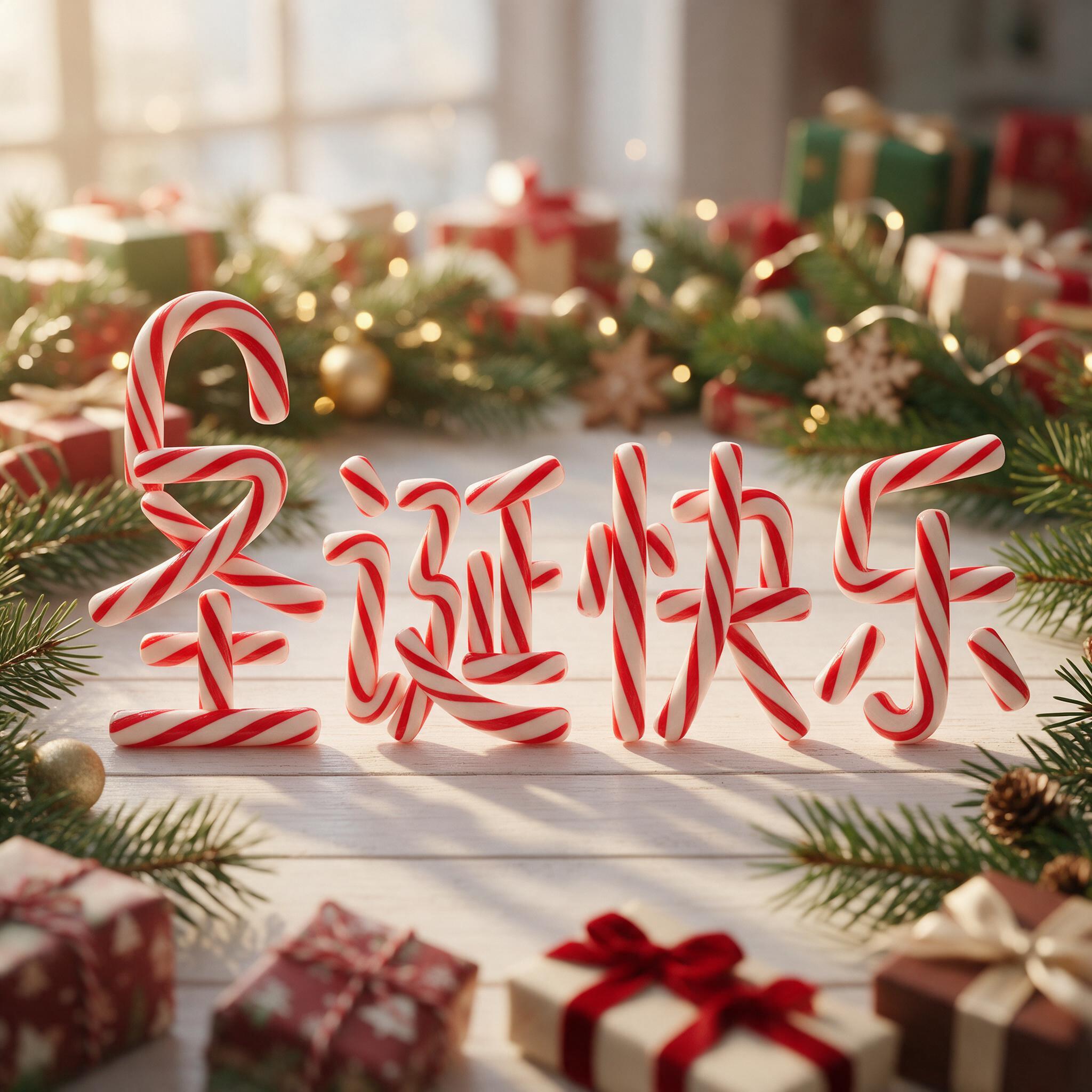
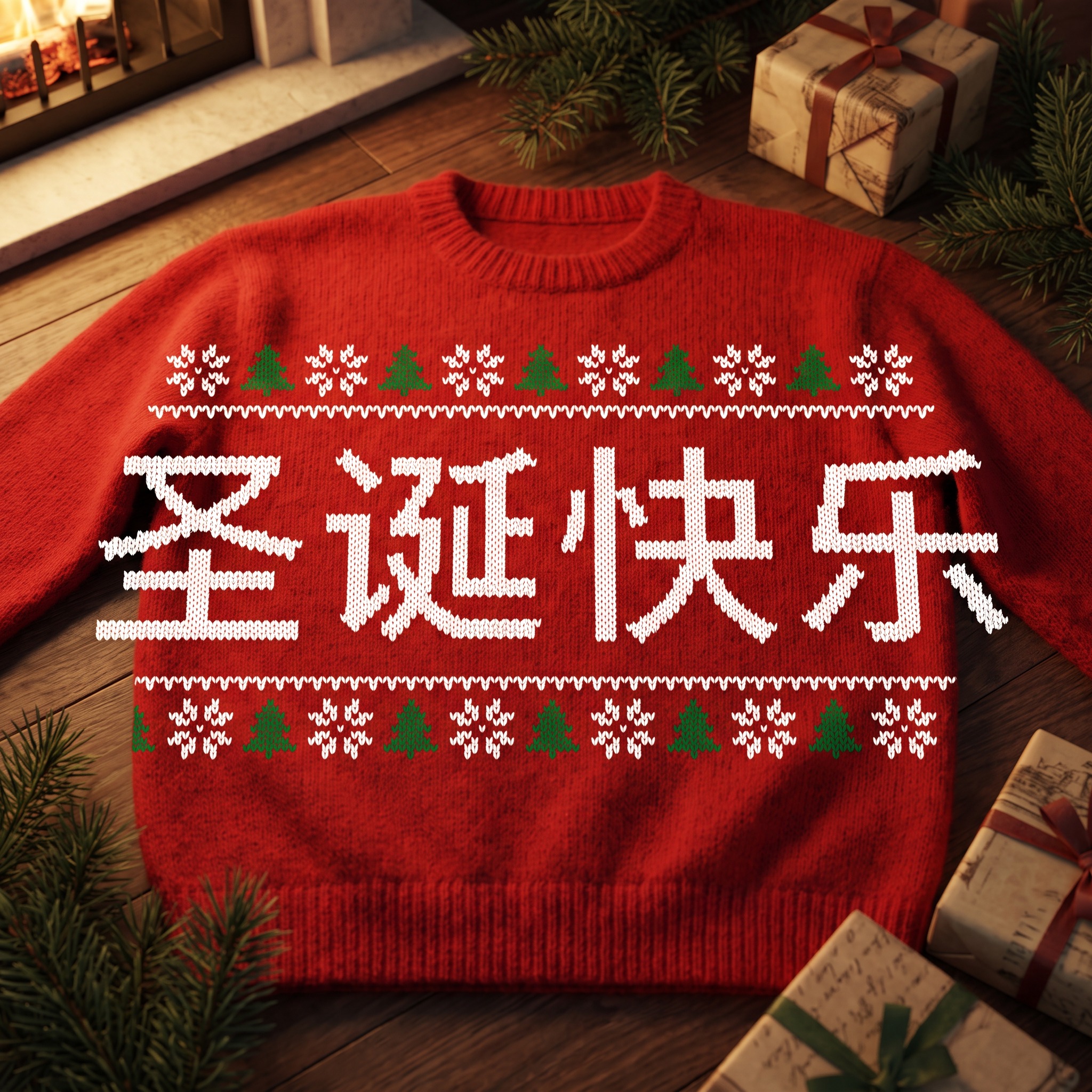
Arabic: عيد ميلاد مجيد
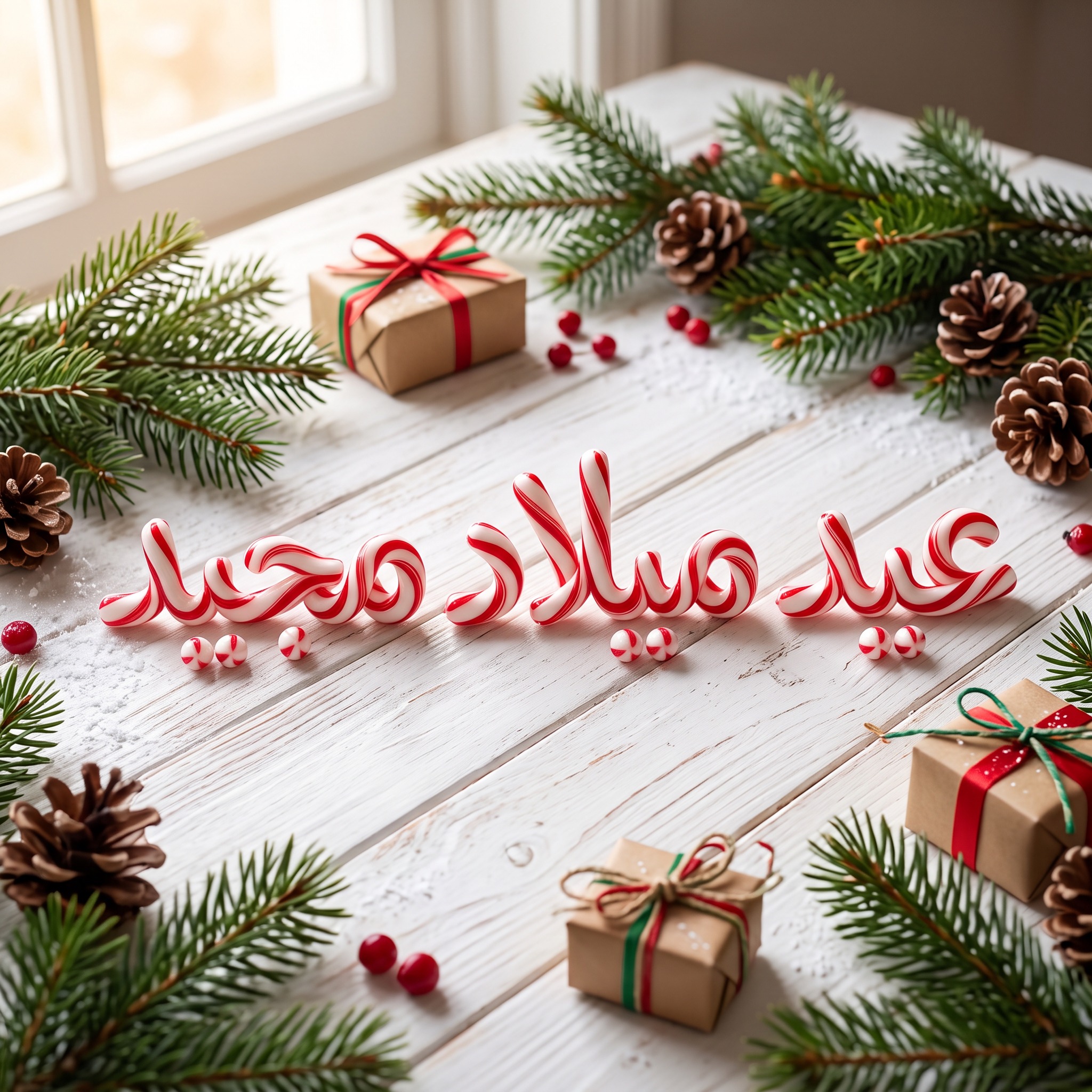
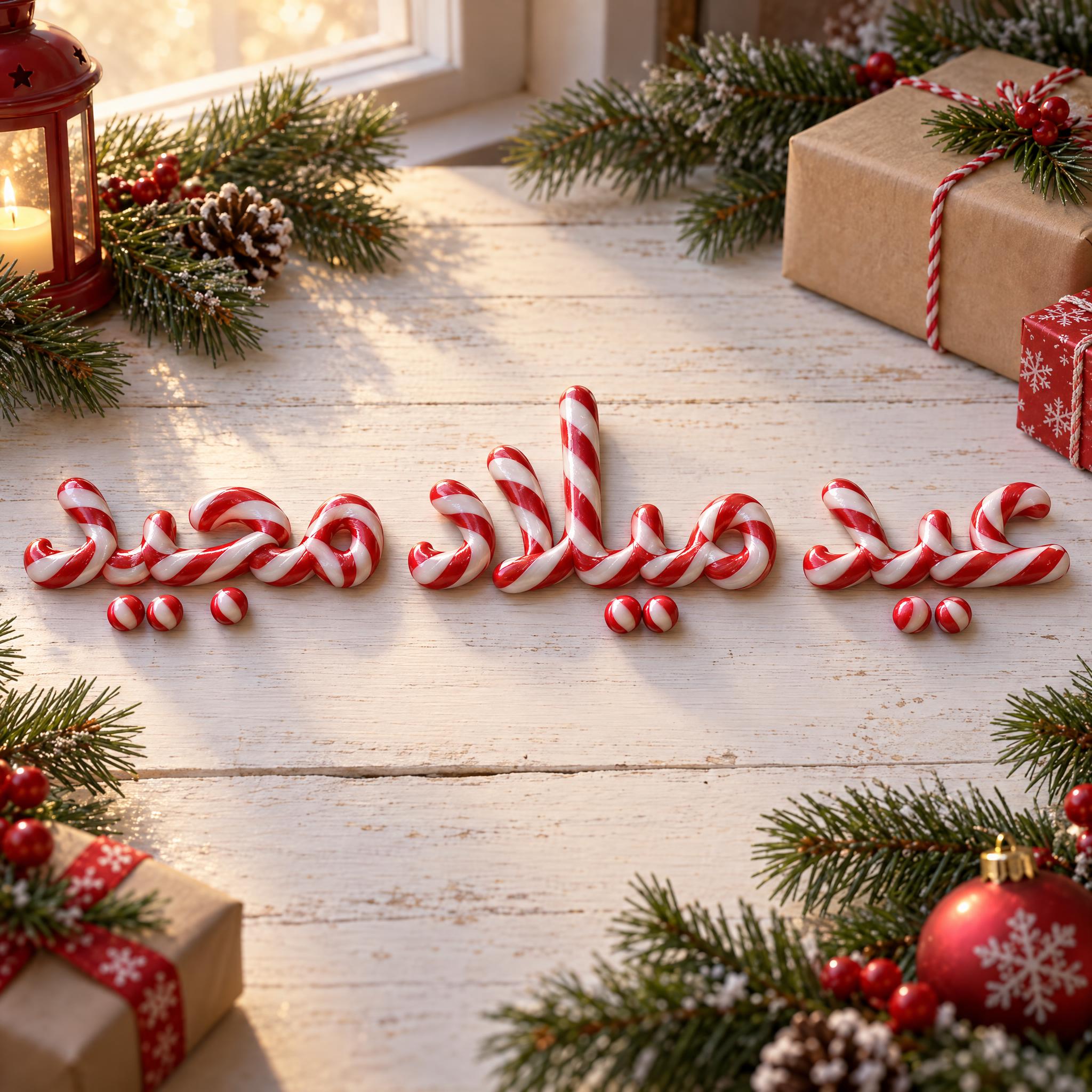
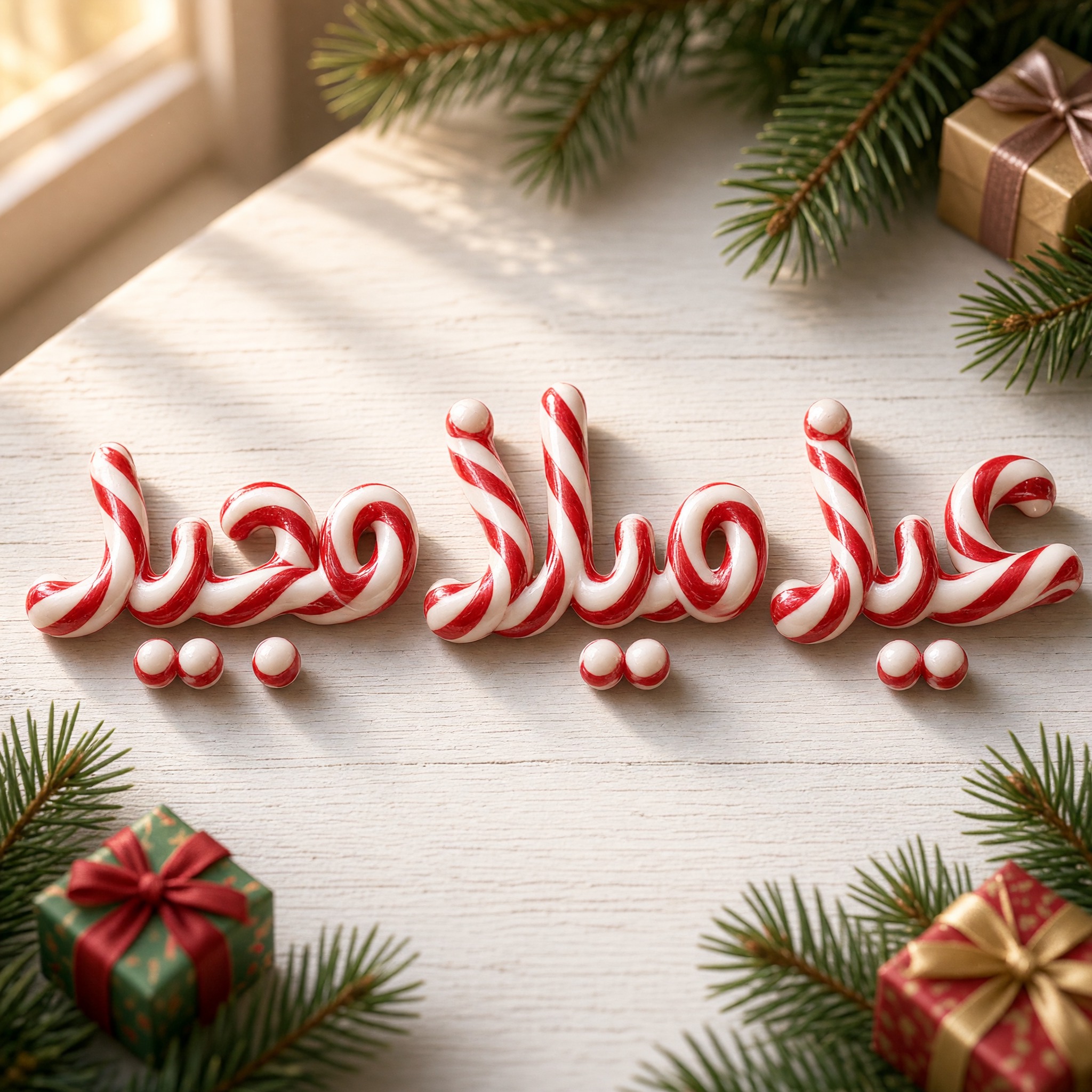
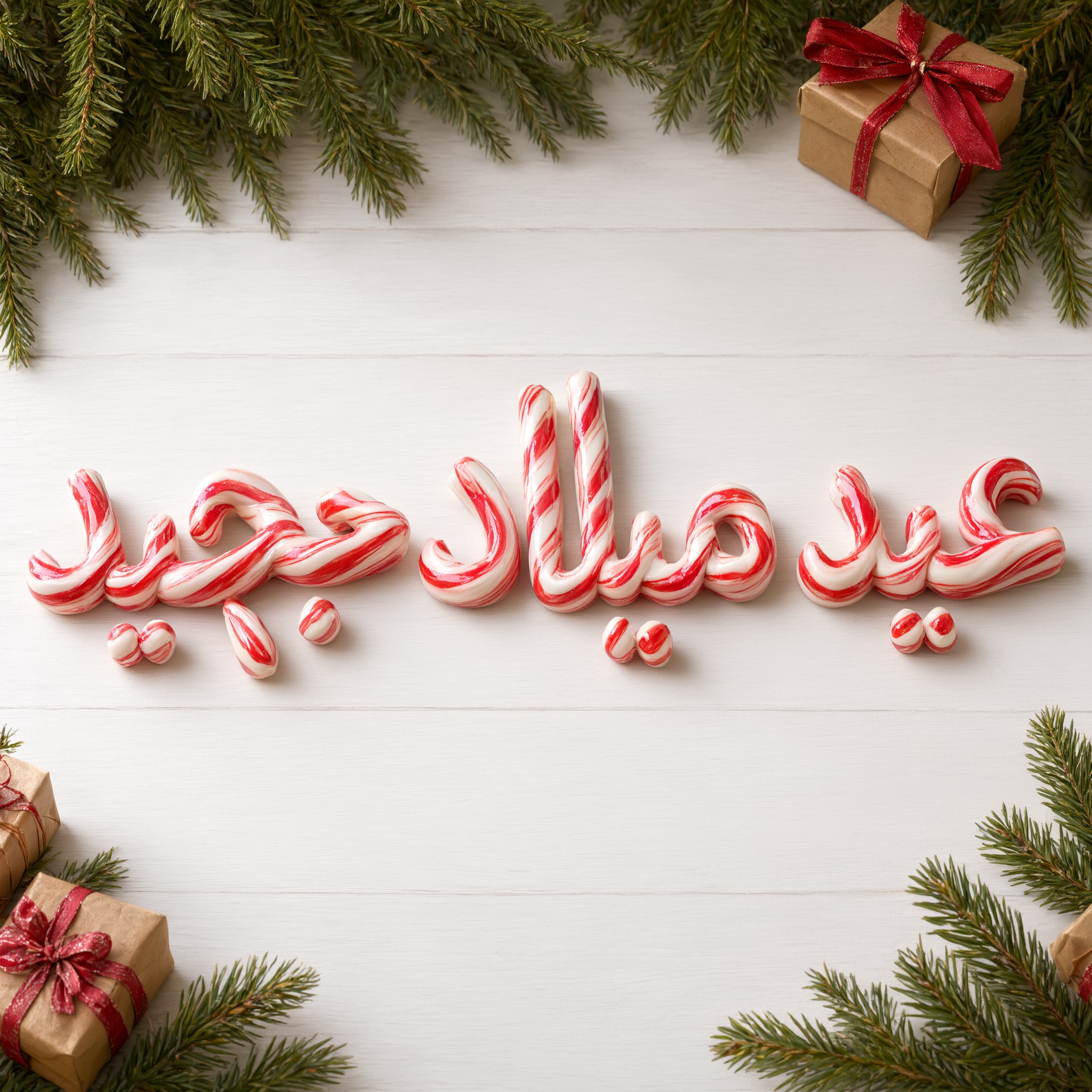
What goes wrong in each writing system
Latin script mostly came out right. In the font data the five models spelled 154 of 160 Latin-script first images right (English, Spanish, Portuguese and German), and 4 of the 6 misses were Qwen-Image's. All 10 English Merry Christmas images were right in both styles. The misses in the font data were small: an accent added to the O in EXTRAÑO MUNDO, an extra second line of text, a comma after HOME ALONE.
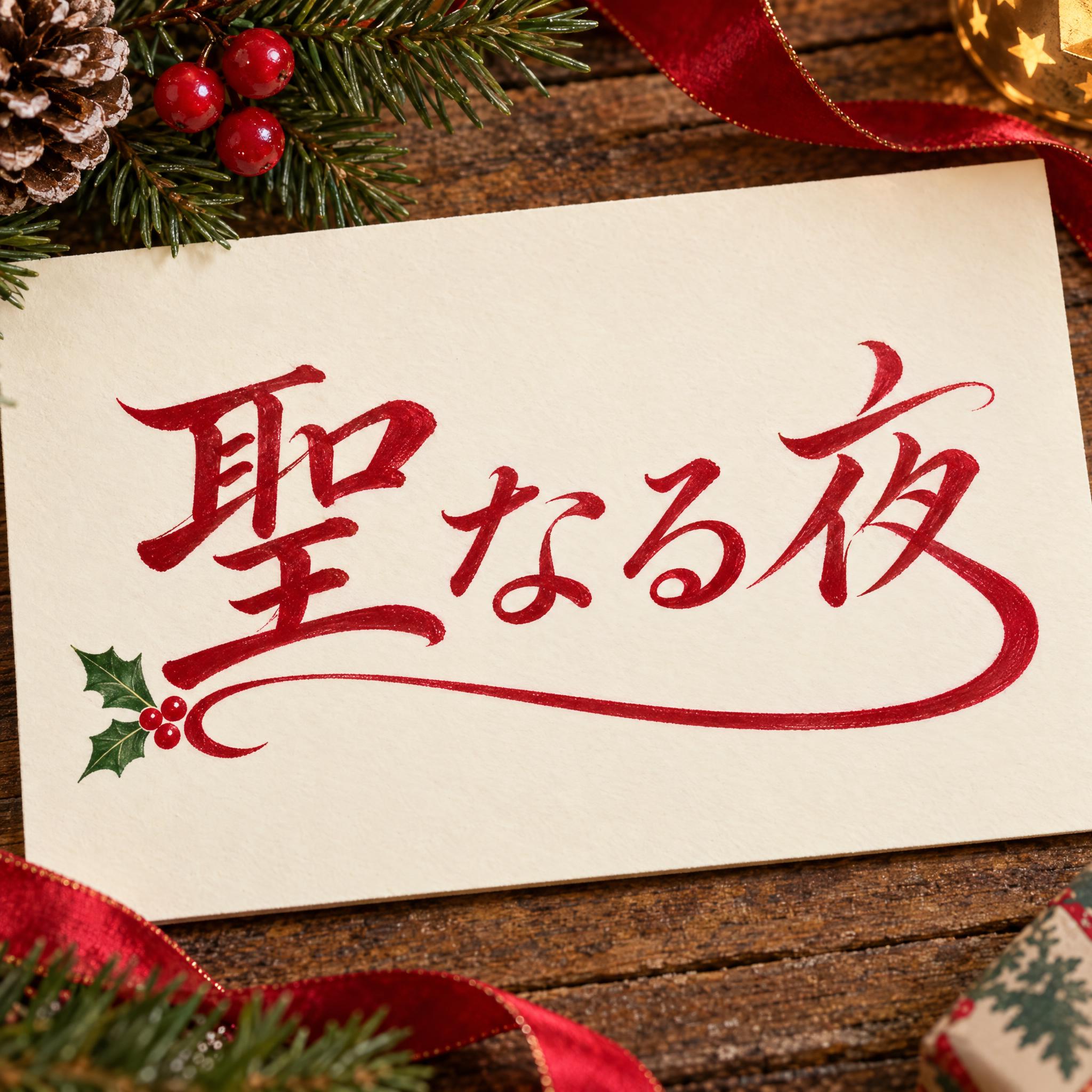
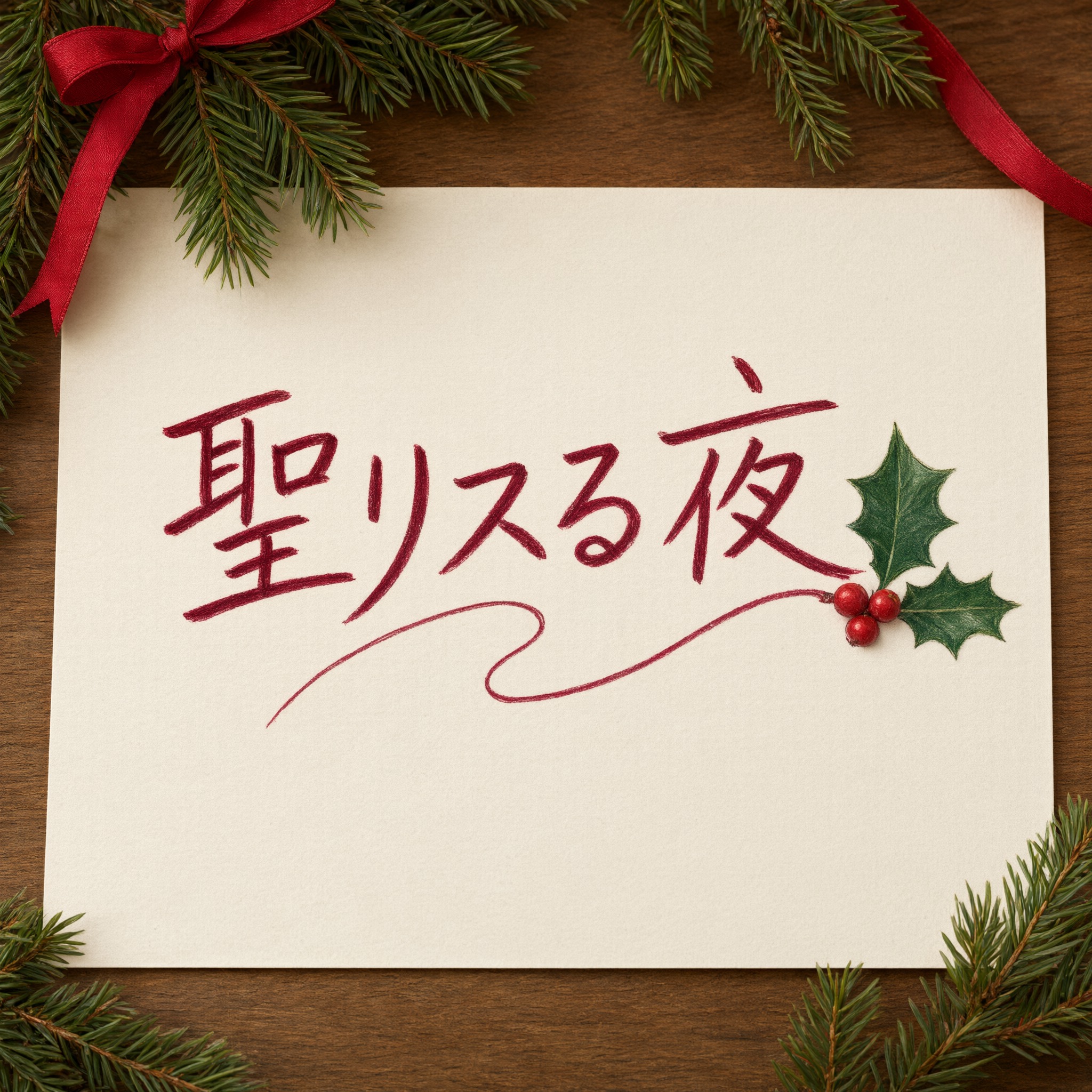
Japanese misses were small changes to short words. In our images, each Japanese miss changed one small part: strokes lost (クリスマス read フリスマフ), two strokes merged (リ became one U-shaped cane), an object added (a cookie above つ made おやつ read おやう), a letter swapped (な became リス in 聖なる夜), or an extra line of letters (under ナイトメア). Most kana have only two or three strokes, so one changed stroke is enough to make a different letter. In the font data, Japanese was right in 30 of 35 first images: Nano Banana, GPT Image and Seedream got 7 of 7 each, Grok Imagine 5 of 7 and Qwen-Image 4 of 7. Grok Imagine and Qwen-Image both missed クリスマス in candy cane, yet the longer メリークリスマス was right in all 9 scored images of the Merry Christmas test. Each cell has one image and we don't know why the two differ, so this is not evidence that longer phrases are safer: of 19 wrong font images we reran once each, 5 came back right, so a single image can go either way.
Chinese mostly holds. In the font data, Chinese was right in 33 of 35 first images, and both misses were Qwen-Image's. All five models wrote 圣诞快乐 right in candy canes. The failures were extra material: a doubled line of text, an extra stroke through 圣, quotation marks.
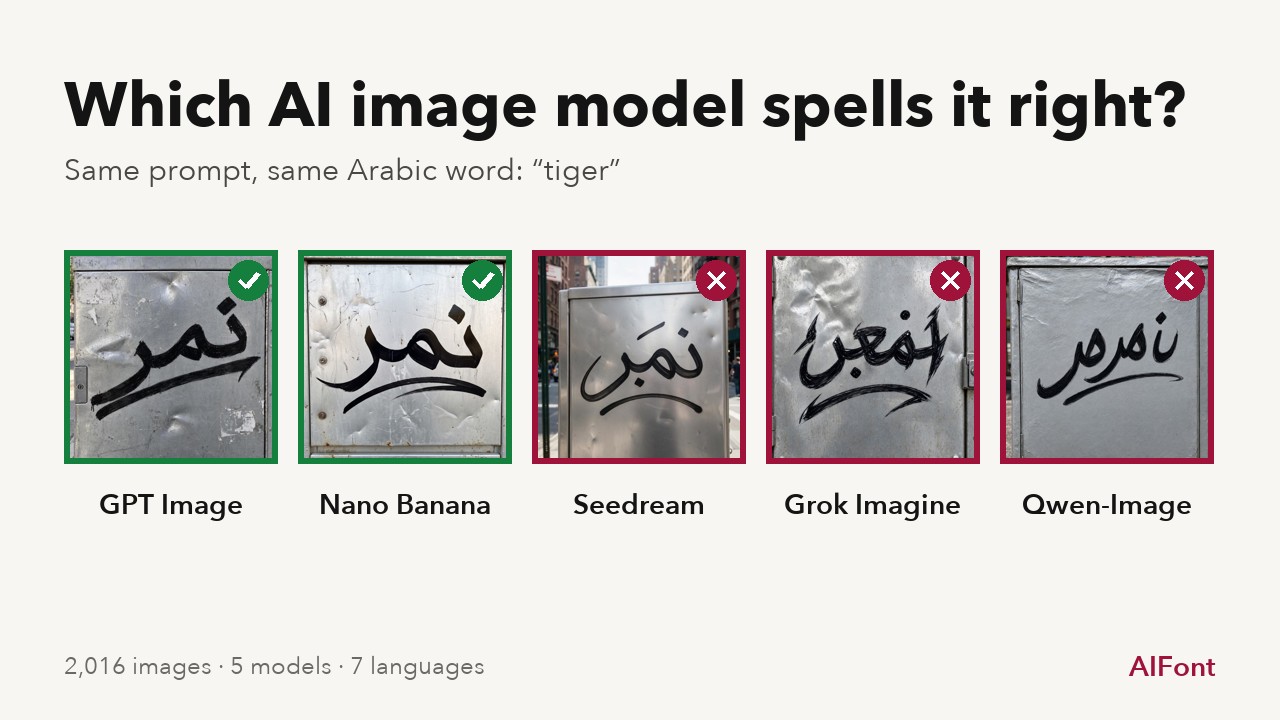
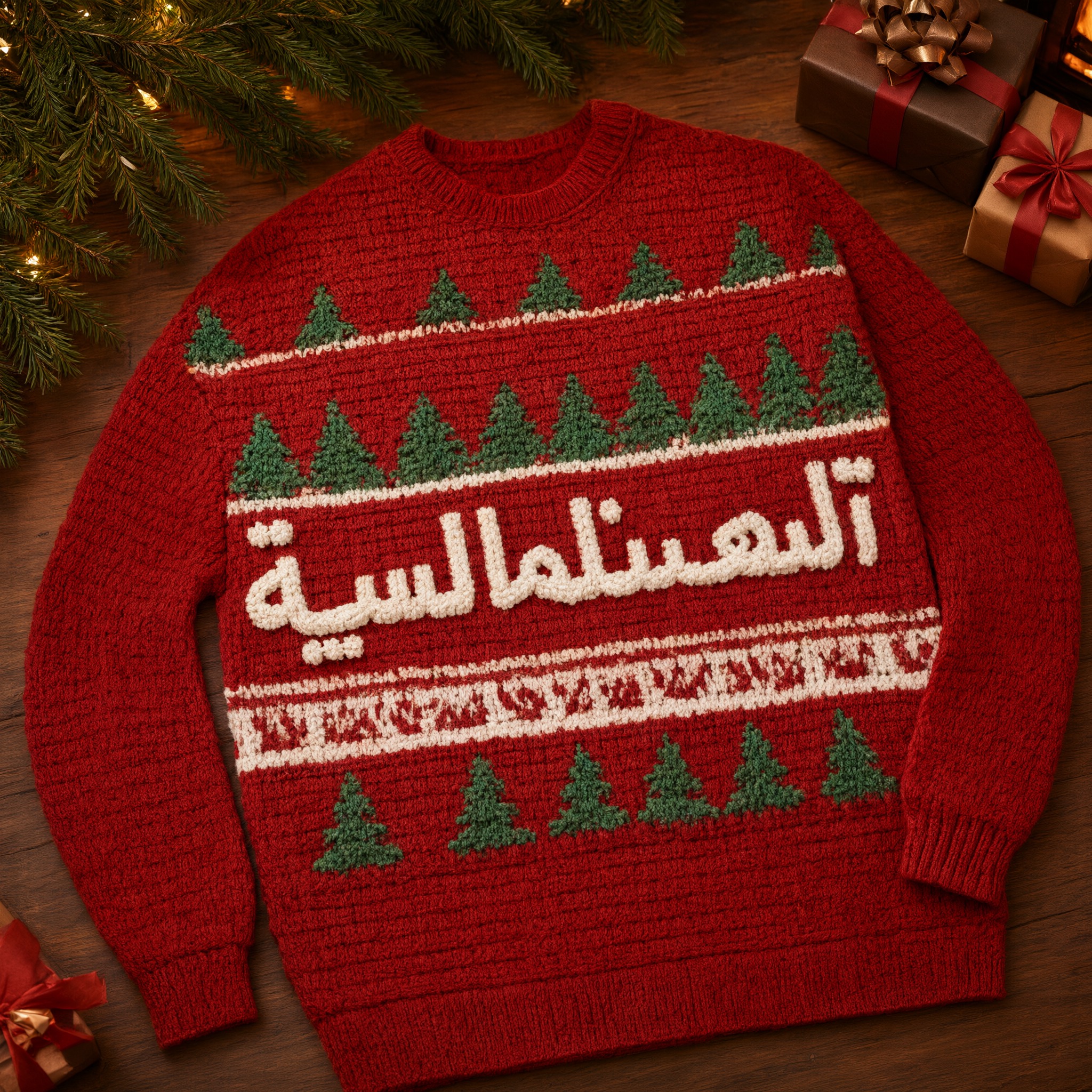
Arabic was the hardest script overall, and the models differed most on it. Across the font data and the Merry Christmas test, the five models were right in 29 of 41 scored Arabic images: Nano Banana in 9 of 9, GPT Image in 8 of 9, Grok Imagine in 6 of 7, Seedream in 4 of 8 and Qwen-Image in 2 of 8. The errors we saw were rarely a wrong letter shape. They were missing letters, a missing, moved or extra dot, a decoration sitting where a dot would be, a whole word dropped, or an extra الـ added in front. Dots matter because they decide the letter: the same shape with one dot under it is ب, with one dot above it is ن.
How to write a Christmas card prompt that keeps the text right
In our tests the prompt mattered less than the model. The first two steps come from our numbers; the last two are habits we followed but did not measure.
- Pick the model first. For Japanese, Chinese or Arabic text, start with Nano Banana or GPT Image. In the Merry Christmas test, changing the style barely moved the results; changing the model did.
- Switch models instead of rerunning. A rerun on the same model fixed about one wrong image in four (numbers below).
- Say it once, exactly. This is what we did; we have not tested whether it helps. Every prompt we used, in the font data and the Merry Christmas test, starts with a line like "Write the word "Merry Christmas". Spell it exactly as written, without adding or changing any letter." Because every prompt had it, we can't measure how much it helps, and it did not stop every error. Our Japanese, Chinese and Arabic prompts are written entirely in that language, this line, the style and the scene alike, not just the first line.
- Have a native reader check Arabic. We did this for some images; we have not measured how much it catches. We marked 2 of the 5 Arabic candy cane images in the Merry Christmas test unsure. If the card is going to someone who reads Arabic, ask someone who reads Arabic before you print it.
Here is the full prompt we used for the English candy cane images in the Merry Christmas test. It makes a picture of candy cane lettering on a table, which you could use as the front of a card; we did not test full card layouts with a greeting, pictures and room for a message. All five models spelled it right. Replace Merry Christmas with your own words:
Write the word "Merry Christmas". Spell it exactly as written, without adding or changing any letter.

Candy cane lettering: a bold rounded monoline script with the letters joined like one continuous rope of candy. Every stroke is a round stick of hard candy of even thickness with smooth rounded ends, and the final stroke of the last letter curls over at the top into the hook of a candy cane. The candy is white with bold red stripes that spiral diagonally around every stick, evenly spaced and continuing through every curve and join, not horizontal bands. The surface is glossy boiled sugar, with one thin bright highlight running along the top of each stick so every stroke looks round. Like a real peppermint candy cane.

The candy word lies on a white wooden table among pine sprigs and small wrapped gifts, in warm window light from the left. The word is centered, spans most of the width and reads clearly.
Each of our Christmas fonts has a ready-made prompt in up to 7 languages (Home Alone-style lettering in 4), tested on all five models, with every model's image on the page:
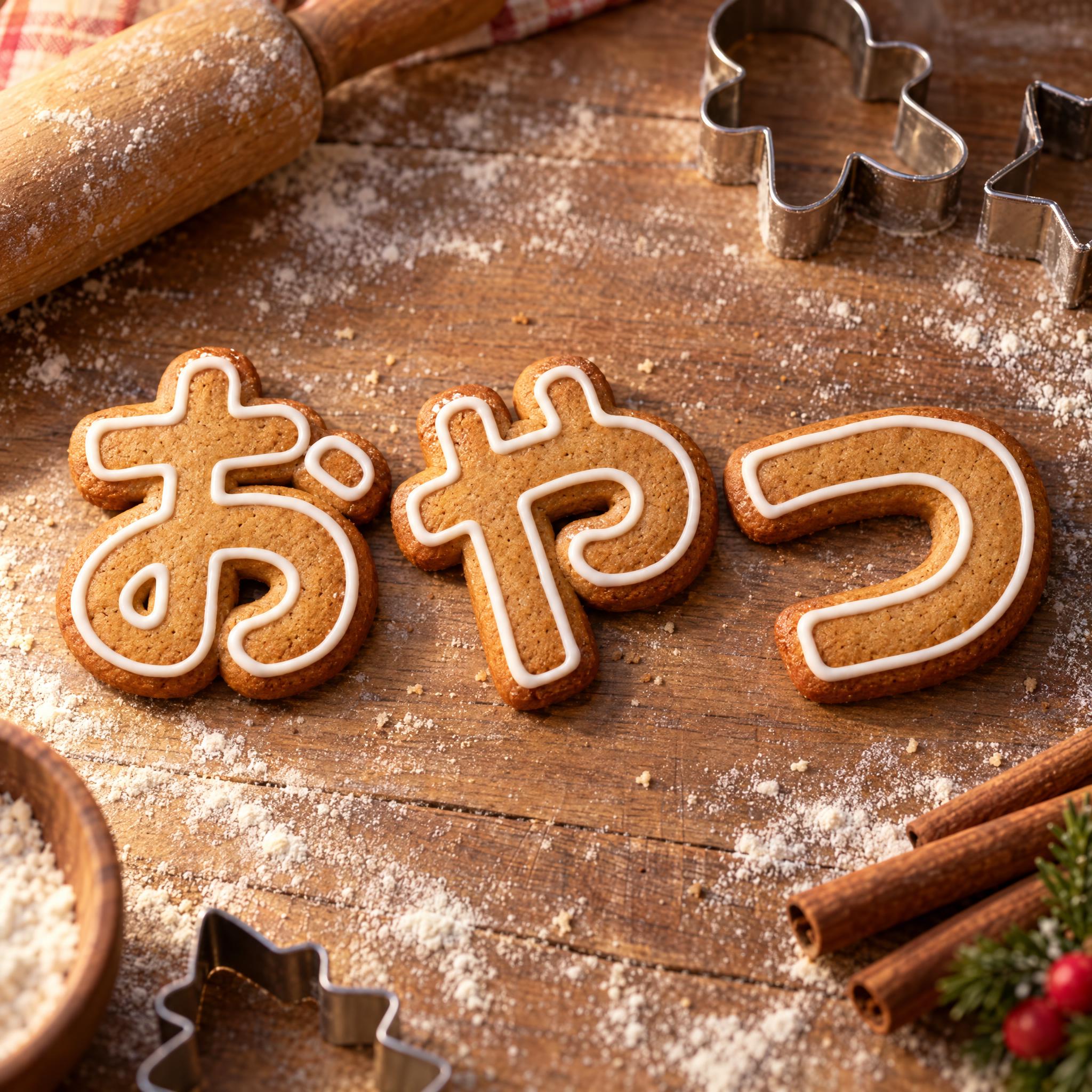
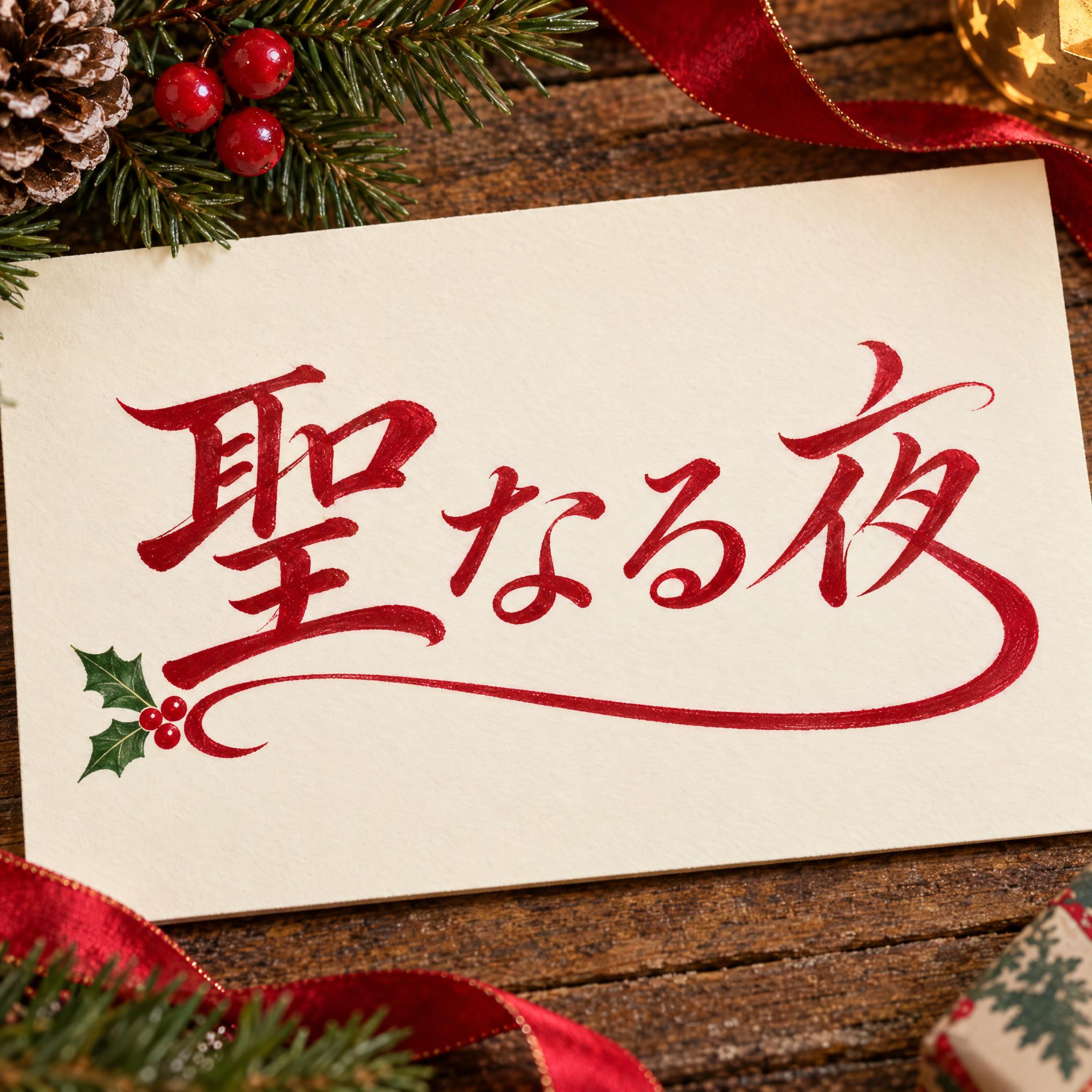
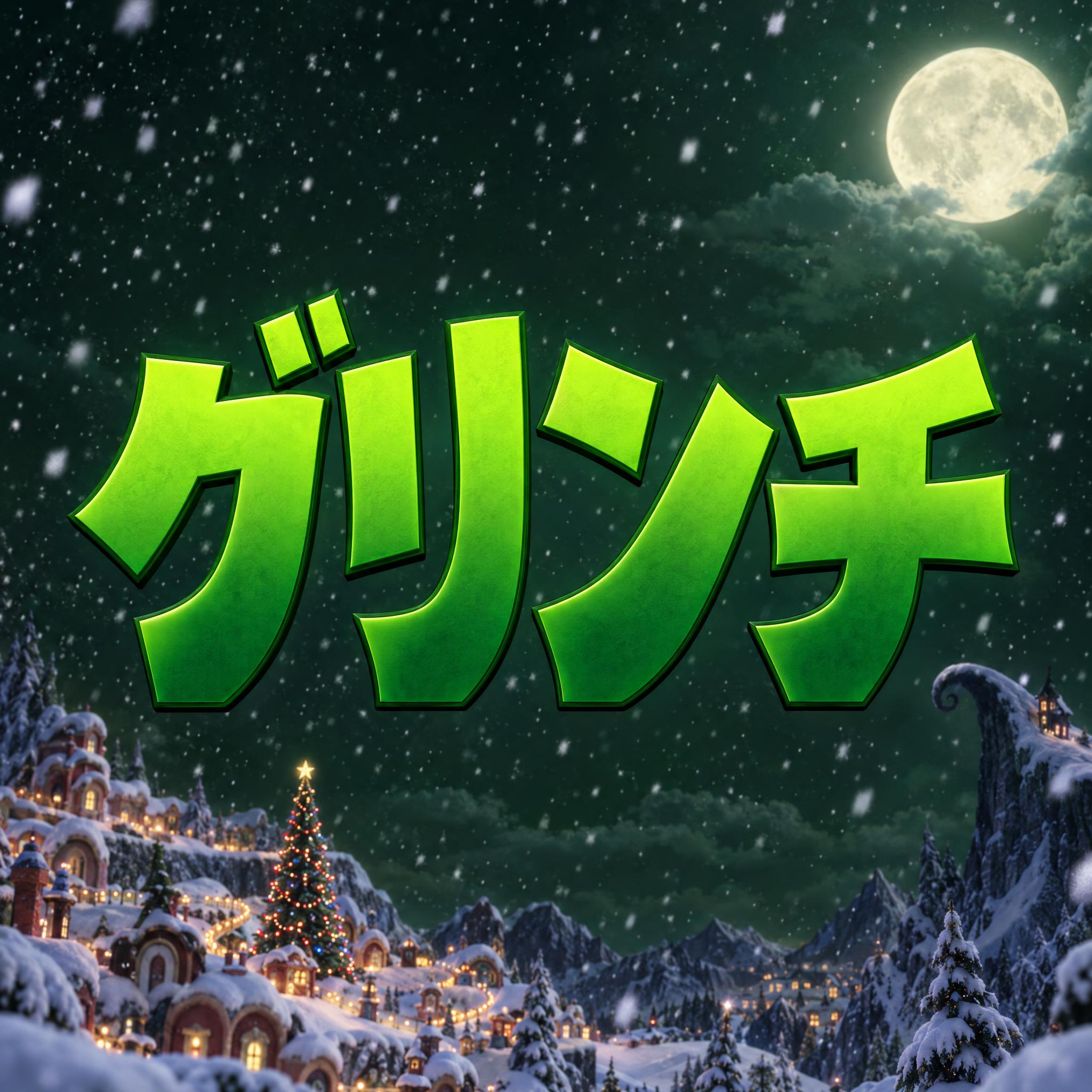
The Christmas fonts page has all of them in one place, including the three film-title fonts we left out of the style comparison: Grinch-style, Home Alone-style and Nightmare Before Christmas-style lettering. These are unofficial fan-made styles inspired by the film titles, not the studios' own lettering, and AIFont is not affiliated with the films. They are in the model table above, but their words are film titles in several languages, so they say little about decoration.
Text came out wrong: regenerate or switch models?
Switch models, to Nano Banana 2.1 or GPT Image 2.5. The 22 font-data images that came out wrong on the first try fall in 17 font–language combinations. In all 17, Nano Banana's own first image of the same prompt was right; GPT Image's was right in 16, and the 17th is its own Arabic miss in Nightmare Before Christmas-style lettering. In the Merry Christmas test both got all 8 of their images right. These are each model's first image of the same prompt, not a second try after a failure, so they show which model to switch to, not a measured rescue rate. A rerun on the same model rarely helped: of the 22 wrong images, we reran 19 once each with the same prompt on the same model, and only 5 of those reruns came back right. Rewriting the prompt did not rescue the hardest case either. Our first Japanese candy cane prompt put the cane hook on the last stroke of the last letter; the current one lets any one upright stroke carry it. Qwen-Image and Grok Imagine missed クリスマス with both versions.
Method and limits
- Models. GPT Image 2.5 (OpenAI, the Sunburst version, API model gpt-image-2.5-sunburst), Nano Banana 2.1 (Google, gemini-nano-banana-2.1), Grok Imagine Image 2.0 (xAI, grok-imagine-image-2.0), Seedream 5.0 Pro (ByteDance, dola-seedream-5-0-pro-260628) and Qwen-Image 3.0 Pro (Alibaba, qwen-image-3.0-pro), all at 2K resolution. The IDs in brackets are the providers' published API model names, each linked to the provider's model page. We sent every request through FontVibe, an image service also run by Funovate Technology, the company behind AIFont, which calls each provider's own API and passes the prompt on exactly as written, with no rewriting. We did not test the ChatGPT or Gemini apps, Midjourney, Ideogram or Firefly.
- Font data. 8 Christmas fonts published on AIFont: candy cane, gingerbread, Christmas sweater, Christmas cursive, snow, and the Grinch-style, Home Alone-style and Nightmare Before Christmas-style lettering. 53 font–language combinations: Home Alone-style lettering has 4 languages (English, Spanish, Portuguese and German), the others have 7 (those four plus Japanese, Chinese and Arabic). One first image per model on the current prompt, generated October 24 to November 7, 2026: 265 images. 2 Arabic images marked unsure are not scored, leaving 263.
- Merry Christmas test. 40 images generated on November 11, 2026 (UTC), one per style, language and model. 3 marked unsure are not scored and are shown above. Three more images came from an accidental double retry after server errors; we checked them but count only the first image in each cell.
- Reruns. 22 of the 263 scored font images were wrong. We reran 19 of them once each, same prompt and same model, and 5 of the reruns were right. The reruns are not part of the 265 or the 305; in the dataset 18 of them are marked retry and 1 is marked extra sample.
- What counts as right. The word is spelled exactly, with nothing added: no extra letters, words, lines or punctuation. Decoration that does not read as a letter is fine. Upper and lower case count only when the prompt asked for one. An image that spelled the word right but missed the style still counts as right here.
- Who checked. Every image was first read by an AI reviewer, Claude Opus 5.5 (Anthropic's model; Anthropic has no image model in either test), zoomed in for most Chinese, Japanese and Arabic images. In the font data, a person who is not a native reader of Japanese or Arabic re-checked the images the AI was least sure about, and 20 images have a native speaker's verdict: 14 Arabic images by a native Arabic reader (batch AR-001 in our dataset) and 6 Chinese images by a native Chinese reader. Where the native reader was sure, their call is the verdict. On those 20 images the native verdict overturned the AI reviewer once: a Qwen-Image candy cane ميلاد that the AI had marked wrong was right.
- What has a native verdict. In the font data, 14 of the 33 scored Arabic images have a native verdict. The other 19 Arabic images, all Japanese images and all 40 images of the Merry Christmas test are the AI reviewer's reading, plus the person's where they re-checked. Nobody who reads Japanese natively has checked these images yet.
- Sample size. One image per cell. Arabic has 6 or 7 scored images per model in the font data and 8 scored images in the whole Merry Christmas test, so treat the Arabic numbers as rough.
Version 1.1.1 of the AIFont text-rendering dataset on GitHub, archived on Zenodo (DOI 10.5281/zenodo.23815210), is public under CC BY 4.0. For these 8 fonts it has 307 images, each with its prompt, verdict and reviewer notes: the 265 first images; 25 later images of the same prompts on the same models, marked retry or extra sample, which include the 19 reruns above; and 17 images from earlier prompt versions and pilot runs. If you read Japanese or Arabic and think we called an image wrong, open an issue there, or join our native review.
よくある質問
Which AI image model is best for an AI Christmas card with text?
In our October–November 2026 tests through the providers' APIs, Nano Banana 2.1 (Google) and GPT Image 2.5 (OpenAI) were the safest choices. We tested the lettering itself, one word or phrase per image, not full card layouts. On 8 Christmas font prompts, 53 font–language combinations in up to 7 languages, Nano Banana spelled 53 of 53 first images right and GPT Image 52 of 53. In our separate 40-image Merry Christmas test, where every model wrote the same phrase in English, Japanese, Chinese and Arabic in two styles, both got all 8 of their images right. Qwen-Image 3.0 Pro was the weakest on the font prompts at 39 of 53, with most of its misses in Japanese, Chinese and Arabic. In the Merry Christmas test, Seedream 5.0 Pro had the most misses, with 4 of its 7 scored images right; its eighth was unsure and not scored. We did not test Midjourney, Ideogram or Firefly.
Can ChatGPT make a Christmas card with text?
Probably, for the lettering, but we tested the model, not the app. GPT Image 2.5, OpenAI's image model, spelled 52 of 53 Christmas lettering images right on the first try through OpenAI's API, and wrote Merry Christmas correctly in English, Japanese, Chinese and Arabic in both styles we tried. OpenAI does not say which version of the model the ChatGPT app runs, so app results can differ. You can paste any of our Christmas prompts into ChatGPT. GPT Image's one miss was the Arabic word كابوس (nightmare) in Nightmare Before Christmas-style lettering, where the dot under ب was missing.
Why does AI misspell Japanese or Arabic Christmas words?
In our images, small marks decided the result. A kana has only a few strokes and an Arabic letter can depend on one dot, so one lost stroke, one extra dot or one decoration in the wrong place makes a different letter. We can say what went wrong, not why the models make these slips. Each Japanese miss in our font data changed one small part of a short word. Qwen-Image's candy cane クリスマス lost strokes and reads フリスマフ. Grok Imagine merged the two strokes of リ into one U-shaped cane. Grok Imagine's gingerbread おやつ got an extra cookie above つ and reads おやう. Qwen-Image swapped な for リス in 聖なる夜. Qwen-Image added a second line of letters under ナイトメア. The Arabic misses were mostly at the dots and letters around them. We saw a dot missing or moved, a decoration sitting where a dot would be, a letter added or dropped, and a whole word left out. In our font data (265 first images, one per font, language and model), the five models were right in 30 of 35 Japanese images, 33 of 35 Chinese images, 24 of 33 scored Arabic images and 154 of 160 Latin-script images. One image per cell is not stable. クリスマス failed for two models, but the longer メリークリスマス was right in all 9 scored images of our Merry Christmas test, and we don't know why; that is not evidence that longer phrases are safer. When we reran 19 wrong font images once each, 5 came back right.
Do candy cane letters make AI spelling worse than other Christmas styles?
Not in our Merry Christmas test. We gave candy cane lettering and knitted Christmas sweater lettering the same phrase, Merry Christmas in 4 languages, on the same 5 models, one image each. The candy cane images were right 16 of 17 times and the sweater images 17 of 20. All 3 images we marked unsure were candy cane, so the candy canes made more images that are hard to read with certainty, not more wrong ones. We did not run gingerbread or any other style this way, and we did not test plain undecorated lettering.
Is the data behind these tests public?
Partly. The 265 first font images are in the AIFont text-rendering dataset (CC BY 4.0, version 1.1.1) on GitHub and Zenodo, with prompts, verdicts and reviewer notes, and so are the reruns, marked as retries or extra samples. The 40 images from the Merry Christmas test are not in the dataset yet; all 40 are shown in this article with our verdict for each.