Best Image Generation Model for Text (2026 Test)
We gave 5 AI image models the same 59 prompts in 7 languages. GPT Image and Nano Banana spelled 99% right. Qwen-Image got 79%.
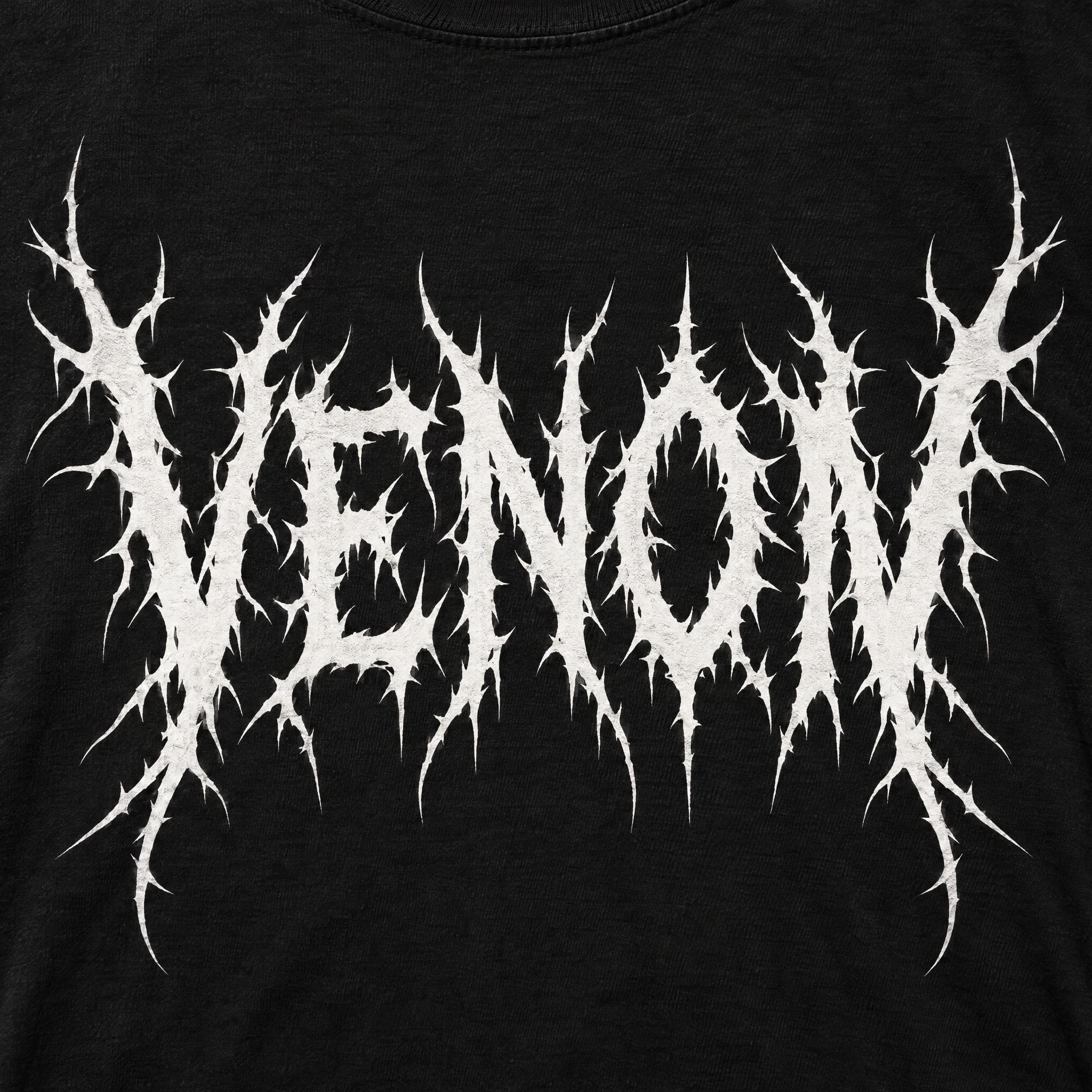
Ask an AI image model for a death metal T-shirt that says VENOM, and the best model we tested printed VENON. That was one of only three spelling mistakes GPT Image made in 404 images. Qwen-Image made 86.
Text is where image models still separate. A model can render chrome, paint drips and studio lighting that pass for a photo, then misplace one dot and turn a word into a different word. We build AI font prompts for a living, so every prompt we publish gets run on five models and every image gets checked letter by letter. After 59 styles, that checking added up to the comparison below.
The short answer
| Script | GPT Image | Nano Banana | Grok Imagine | Seedream | Qwen-Image |
|---|---|---|---|---|---|
| Latin (English, German, Spanish, Portuguese) | 235/236 | 235/235 | 229/235 | 230/235 | 213/235 |
| Chinese | 59/59 | 58/59 | 58/59 | 56/59 | 56/59 |
| Japanese | 59/59 | 58/59 | 52/59 | 51/59 | 45/59 |
| Arabic | 48/50 | 51/51 | 35/49 | 27/47 | 6/53 |
| All | 99% | 100% | 93% | 91% | 79% |
- GPT Image 2.5 and Nano Banana 2.1 are the best image generation models for text. Two or three mistakes each in about 400 images, in every script.
- Grok Imagine 2.0 and Seedream 5.0 Pro handle Latin and Chinese, then slip on Japanese and fall apart on Arabic.
- Qwen-Image 3.0 Pro is the only model that loses points on plain English-alphabet words, and it scored 6 of 53 on Arabic.
How we tested
Each of the 59 styles is a published AIFont prompt, such as Textura, Paint Splatter or Tagging Letters. Each style has one prompt per language with a short display word in that language: FRESH, Reino, ばくはつ, كعك.
- Same prompt for every model. Every model got the identical prompt text for each style and language. We counted only the first image each model returned, no cherry-picked retries.
- Settings: 2K, square, through each vendor's API, October 22–29, 2026. GPT Image ran at its xhigh quality setting and Grok Imagine at medium, its highest; the other three have no quality setting.
- Models: GPT Image 2.5 (OpenAI), Nano Banana 2.1 (Google), Grok Imagine Image 2.0 (xAI), Seedream 5.0 Pro (ByteDance), Qwen-Image 3.0 Pro (Alibaba).
- Judging: every image was read by an AI reviewer, zoomed in for Chinese, Japanese and Arabic. 489 of the scored images were also checked by a person: every image the AI marked wrong or unsure, most of the Arabic set, and a random sample of the rest.
- What counts as wrong: a word is wrong only if you can say what it reads as instead (VENON, not VENOM). Stylized letterforms, decorative strokes and capitalization differences count as correct. Extra words the prompt never asked for count as wrong.
That gave 2,057 first-attempt images. 41 Arabic images are excluded because the AI and the human reviewer disagreed and neither is a native Arabic reader, leaving 2,016 scored images.
Latin and Chinese: all five models pass
Every model scored above 90% on English, German, Spanish, Portuguese and Chinese. If your text is short and in one of these languages, any of the five will usually get it right on the first try.
The one exception is Qwen-Image on Spanish and Portuguese, where it got 9 to 10 words wrong per language. Its typical mistake is not a misspelling.
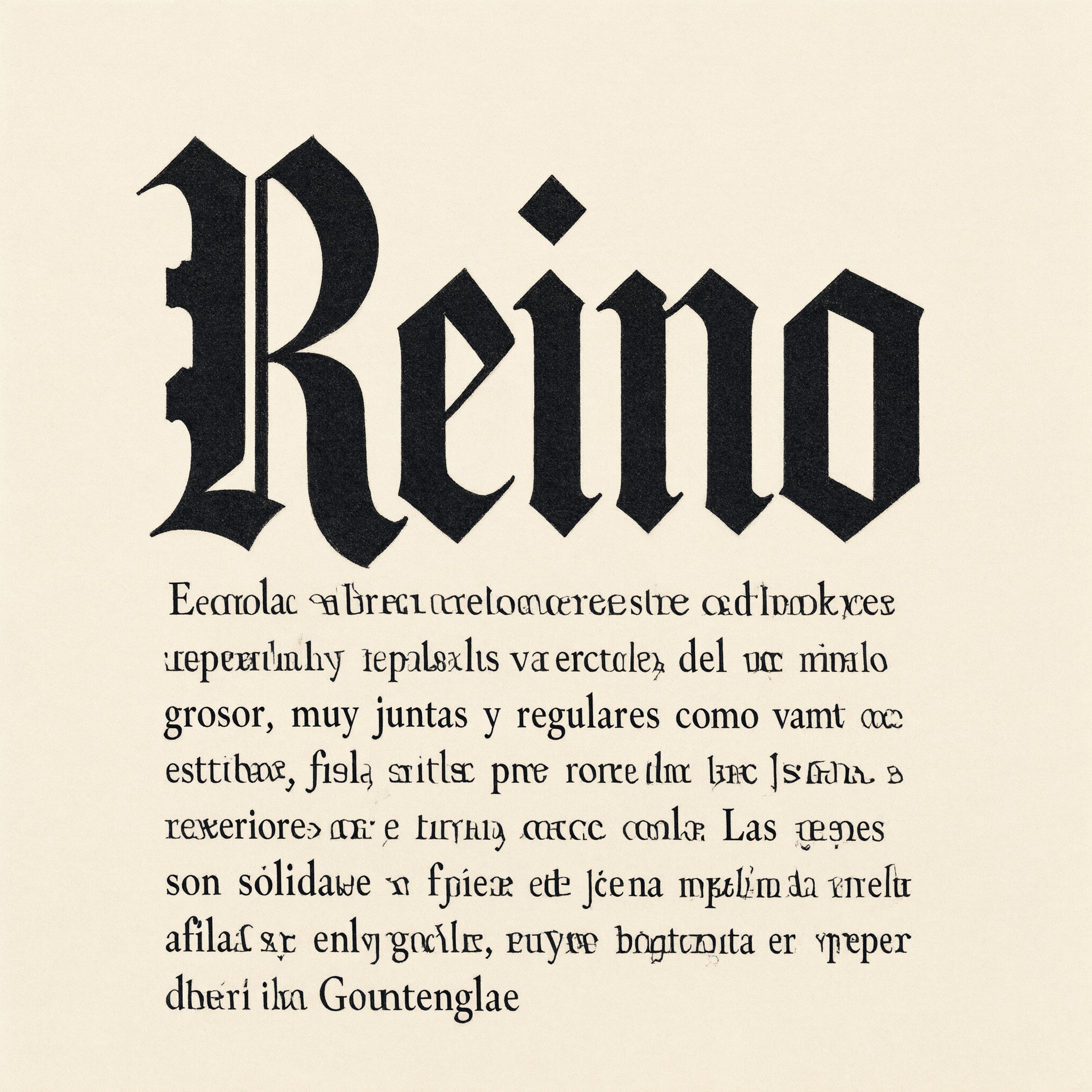
That pattern, the requested word plus a block of unrequested text, accounts for 40 of Qwen-Image's 86 errors. The extra text is often a scrambled copy of the prompt itself.
Japanese: where the gap opens
| GPT Image | Nano Banana | Grok Imagine | Seedream | Qwen-Image | |
|---|---|---|---|---|---|
| Japanese | 59/59 | 58/59 | 52/59 | 51/59 | 45/59 |
Japanese kana have small marks that change the word: two dots (dakuten) turn は into ば. On our paint splatter prompt, Grok Imagine and Seedream both put dakuten where they don't belong.
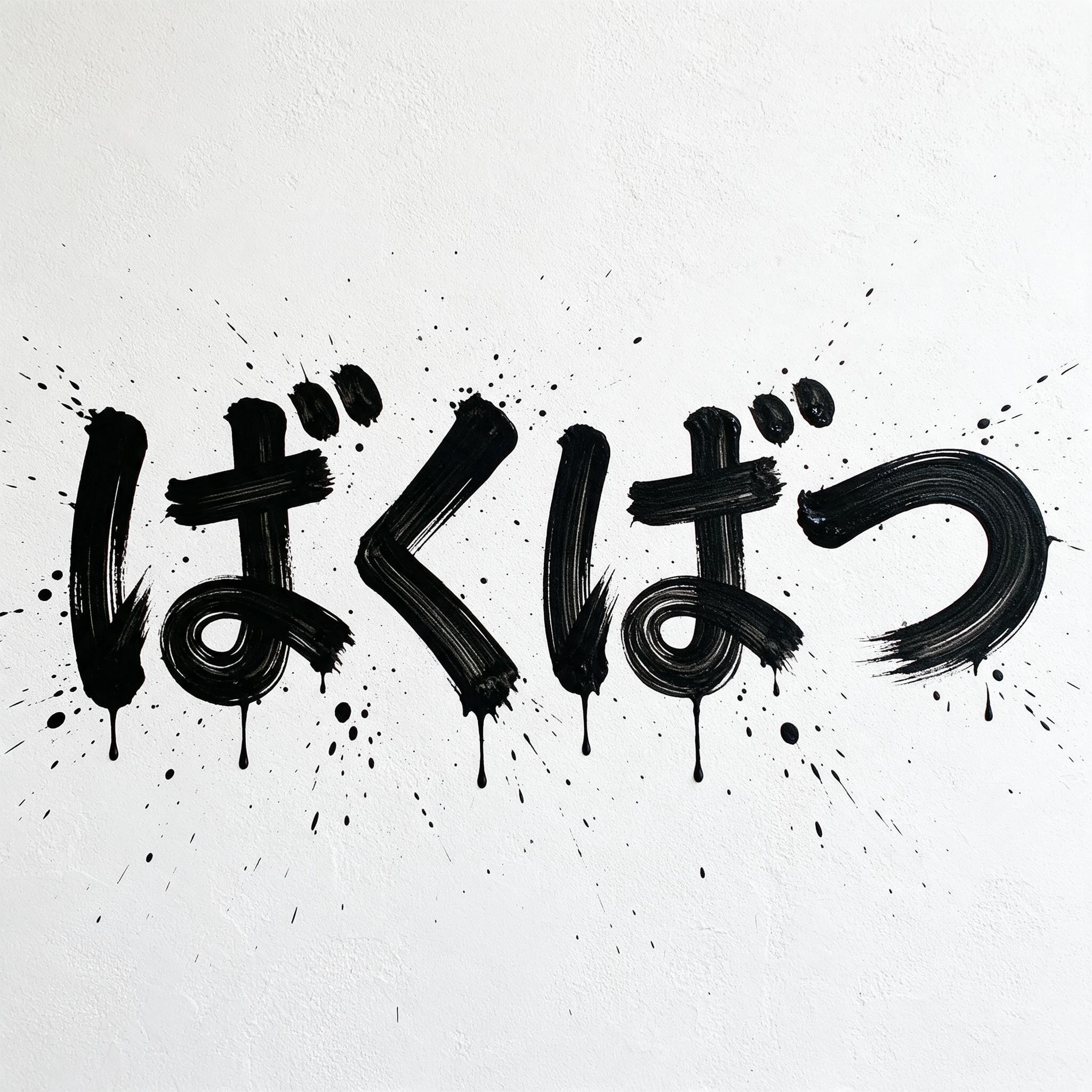
Other Japanese errors from Grok Imagine and Seedream follow the same shape: one character off, not a garbled word. Grok wrote ストリトト for ストリート, ジングス for ジンクス and ぼうげん for ぼうけん; Seedream wrote かくどう for かくとう and ねがいの for ねがい. A Japanese reader catches each of these instantly.
Arabic: only two models hold up
| GPT Image | Nano Banana | Grok Imagine | Seedream | Qwen-Image | |
|---|---|---|---|---|---|
| Arabic | 48/50 (96%) | 51/51 (100%) | 35/49 (71%) | 27/47 (57%) | 6/53 (11%) |
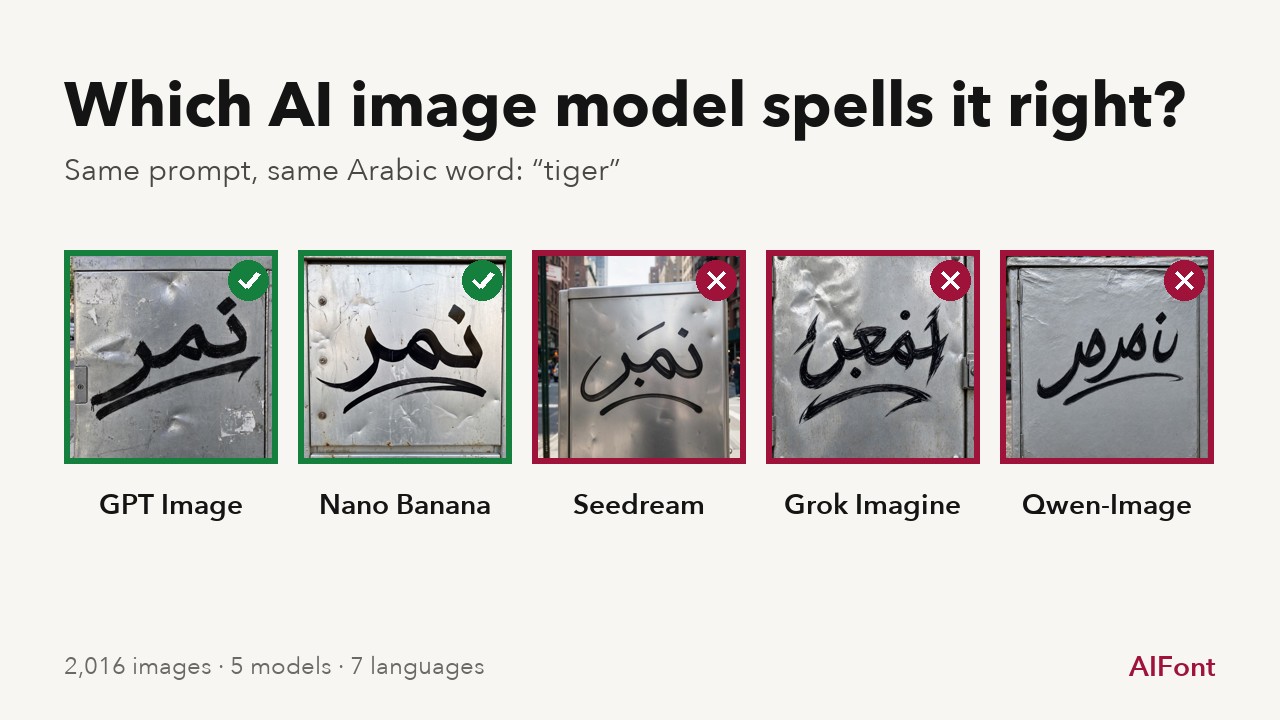
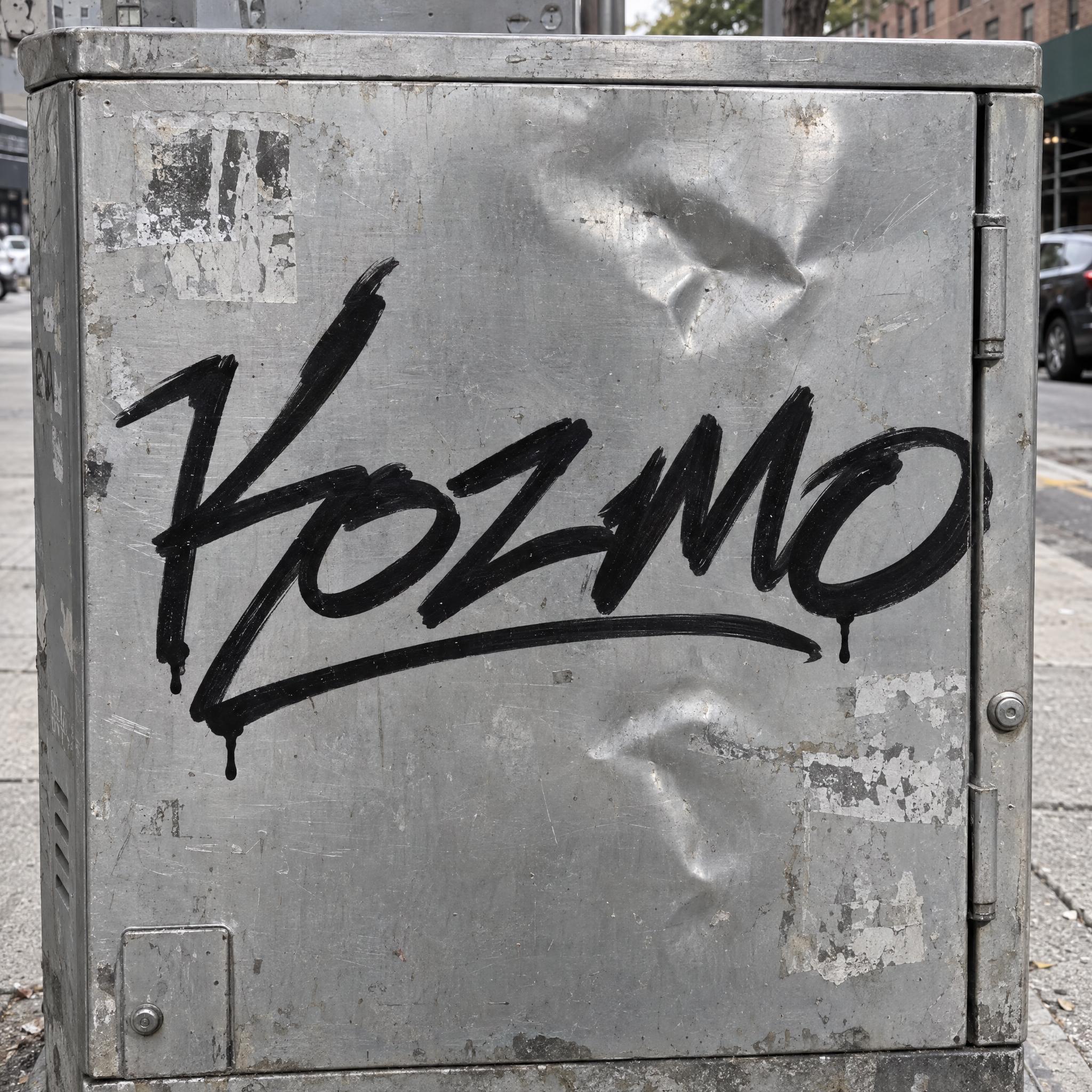
Arabic is the hardest script in this test. Letters join, change shape by position, and many differ only by the number or position of dots. One prompt shows the whole spread: the word نمر (tiger) as graffiti on a street utility box.
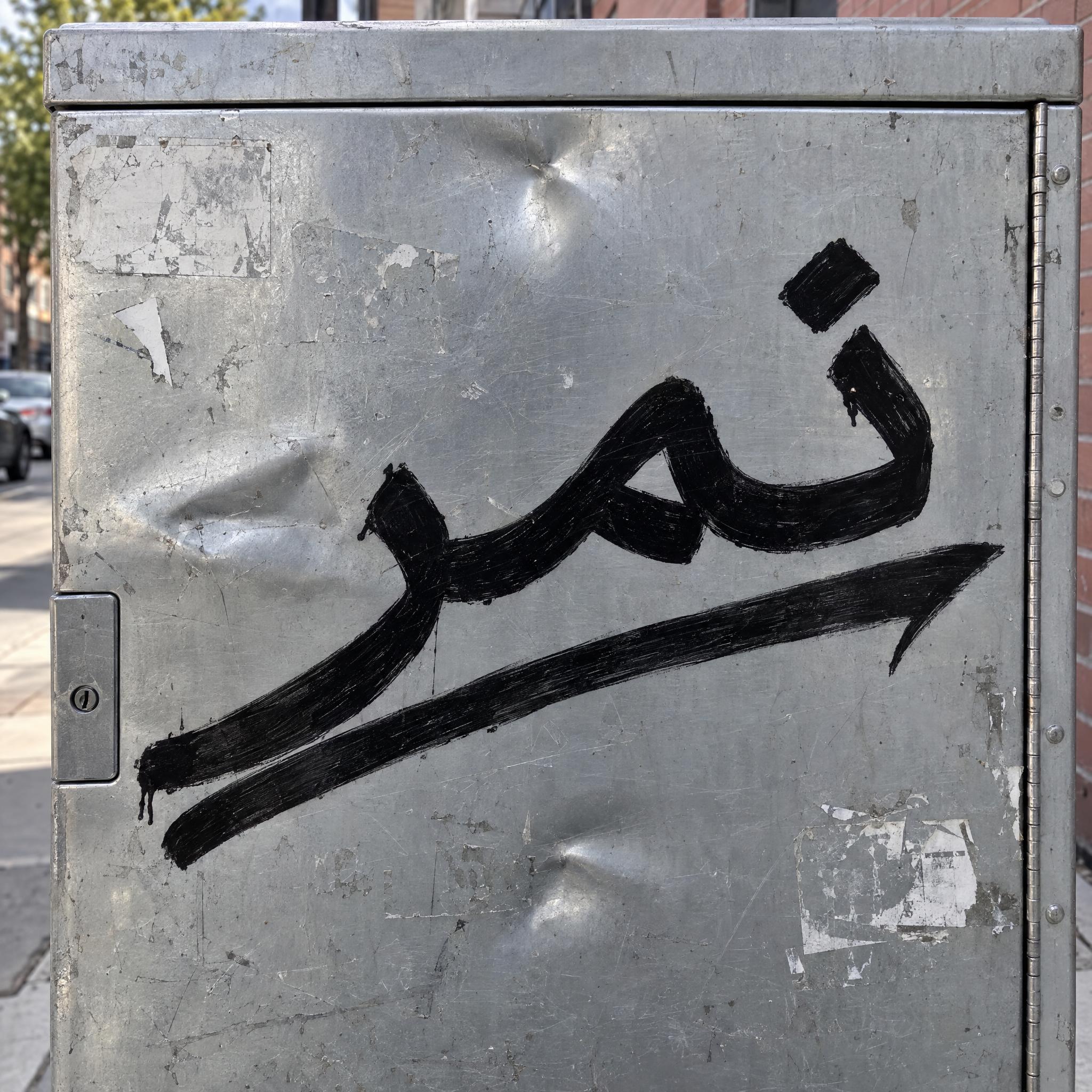
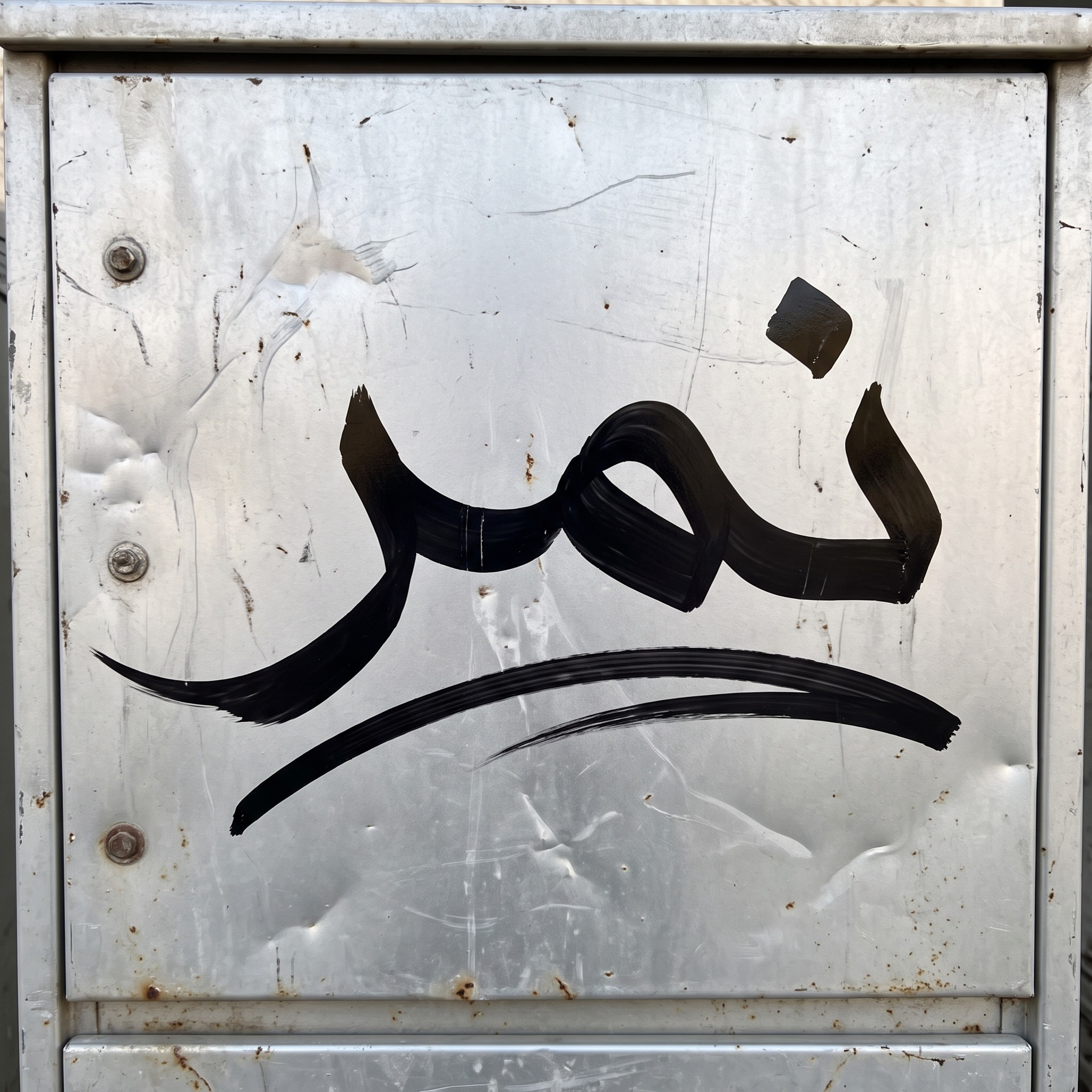
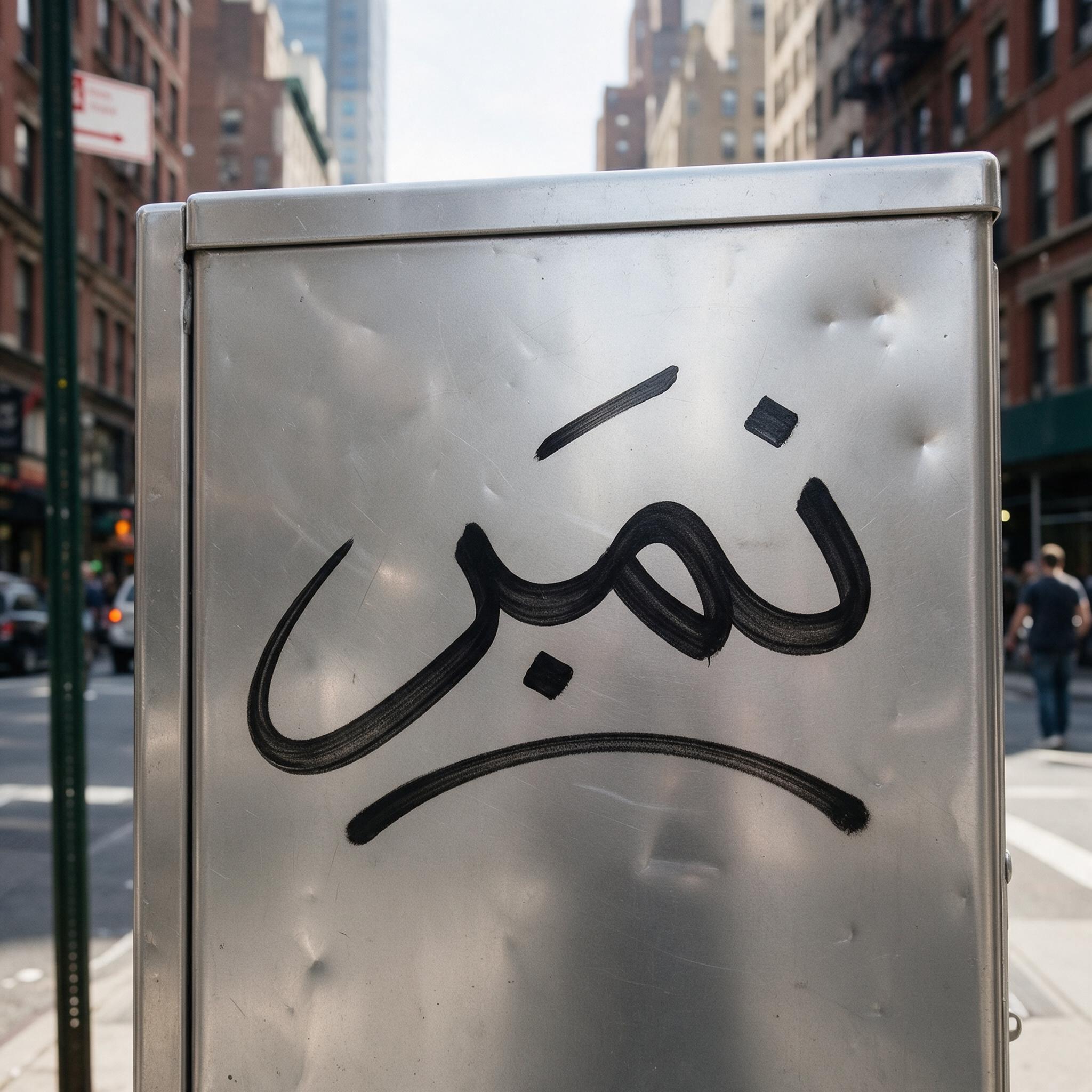
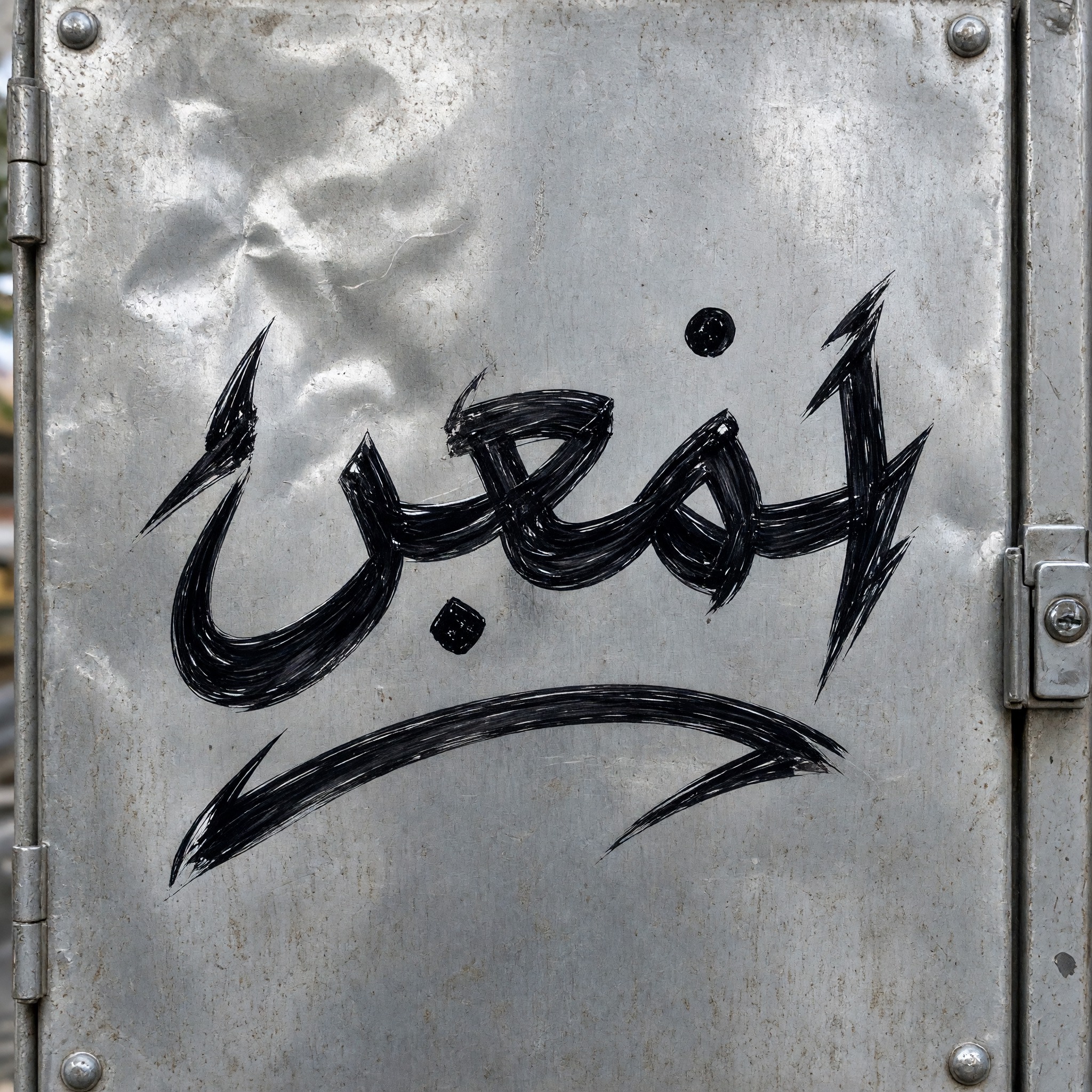
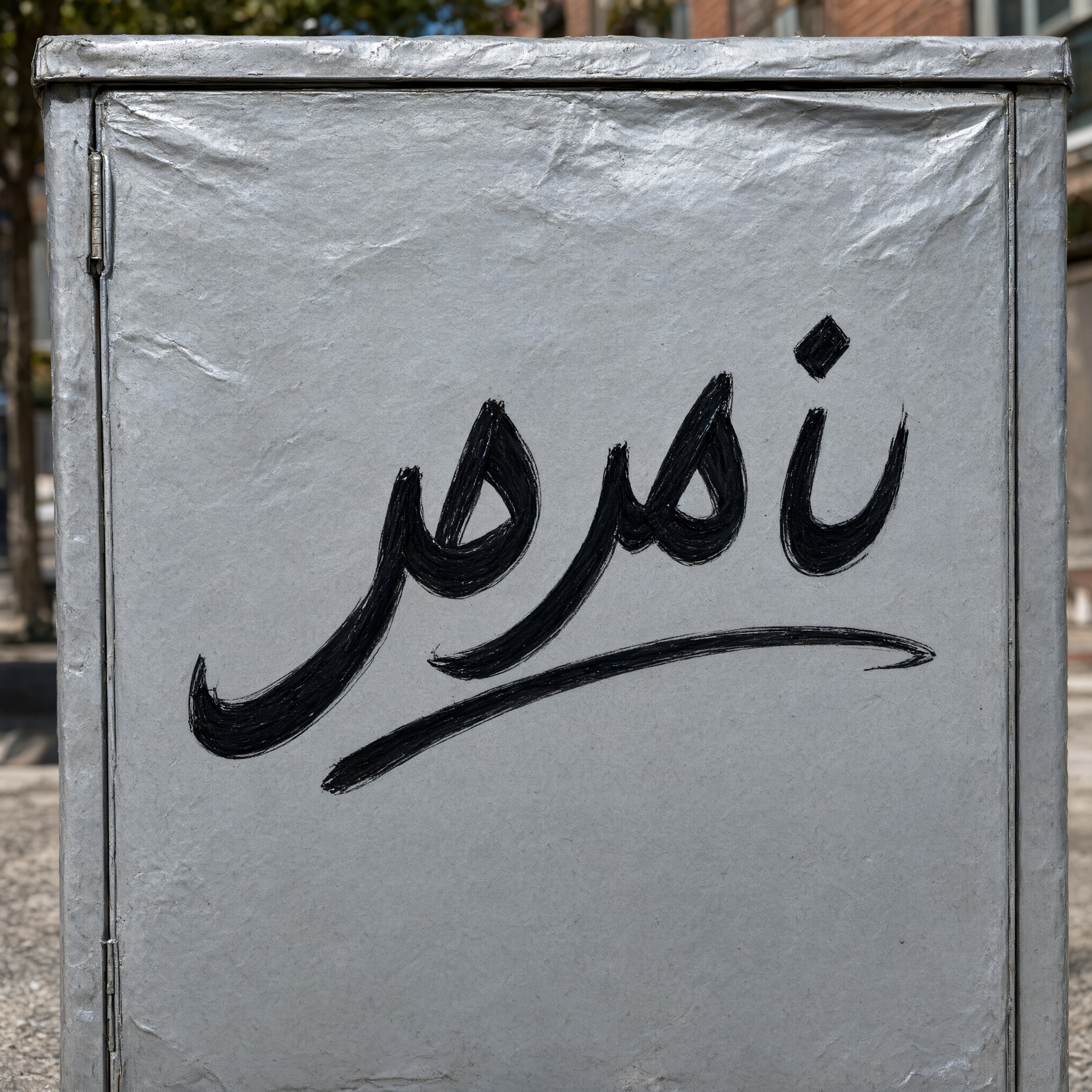
Grok Imagine and Seedream lose their Arabic points on dots and extra letters. Of Grok's 14 Arabic errors, 6 are a missing, extra or moved dot and 5 an extra letter; of Seedream's 20, 9 are dots and 7 extra letters. On our gingerbread prompt, both models scattered round cookie pieces above and around كعك, where they read as extra dots.
Qwen-Image's Arabic is a different problem. It rarely writes the requested word at all; it writes a line of other Arabic letters around it or instead of it.
The Arabic numbers carry a caveat. None of our reviewers reads Arabic natively, and 41 images where the AI and the human disagreed are excluded. We are confident in the ranking, since the gap between 96% and 11% is far larger than any reviewing error. The exact percentages may shift as native readers correct the dataset.
Even the leaders make mistakes
GPT Image's three errors: VENON for VENOM on a death metal shirt, and two Arabic words, one with a wrong final letter (تحيئ for تحية) and one with a dropped letter (فتة for فتنة).
Nano Banana's two: a Japanese word with one malformed character, and a Halloween Chinese image that added three small "PARTY!" labels around the requested word 南瓜. The word itself was correct; the extra text broke our rule.
Does running it again help?
Partly, and it depends on the model. We counted the cells where the first image was wrong and checked whether one more run fixed it.
| First image wrong | Fixed by one retry | |
|---|---|---|
| GPT Image | 3 | 1 |
| Nano Banana | 2 | 2 |
| Grok Imagine | 28 | 13 |
| Seedream | 36 | 18 |
| Qwen-Image | 86 | 10 |
Grok Imagine and Seedream make detail errors, a dot or a stroke, and about half disappear on a second try. Qwen-Image's extra-text habit survives retries: only 10 of 86 were fixed. If a model keeps adding text, rewriting the prompt helps more than rerunning it.
Which model should you use for text?
- Any language, one try: GPT Image or Nano Banana. Pick by look. Text accuracy is not a reason to choose one over the other.
- English or Chinese only: all five work. Grok Imagine and Seedream are fine choices if you like their styles; check the result before printing.
- Japanese: GPT Image or Nano Banana. Otherwise read every kana and check the dakuten.
- Arabic: GPT Image or Nano Banana. We would not ship Arabic text from the other three without a native reader checking it.
- Qwen-Image: keep the display word short and check the whole image for extra lettering, not only the word you asked for.
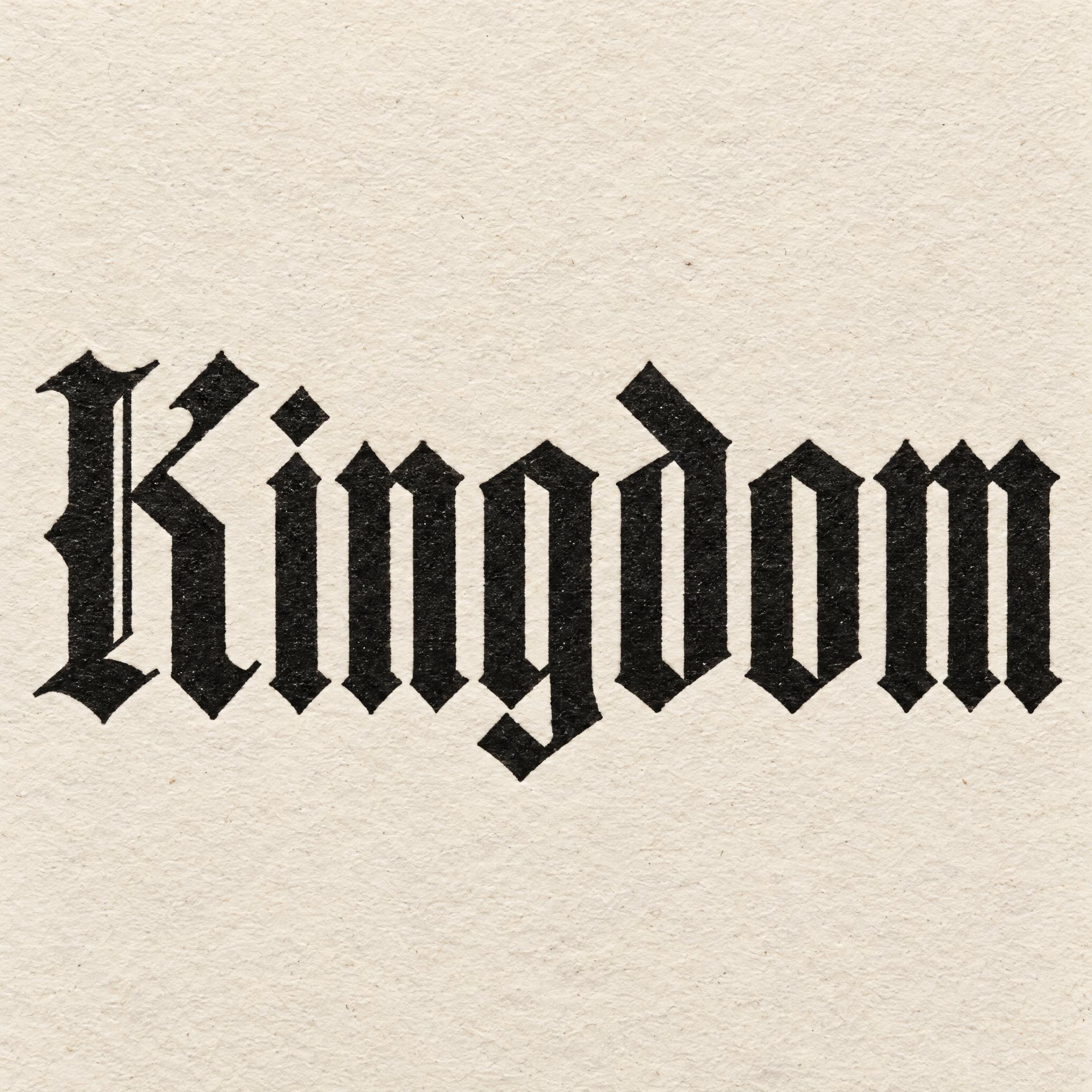
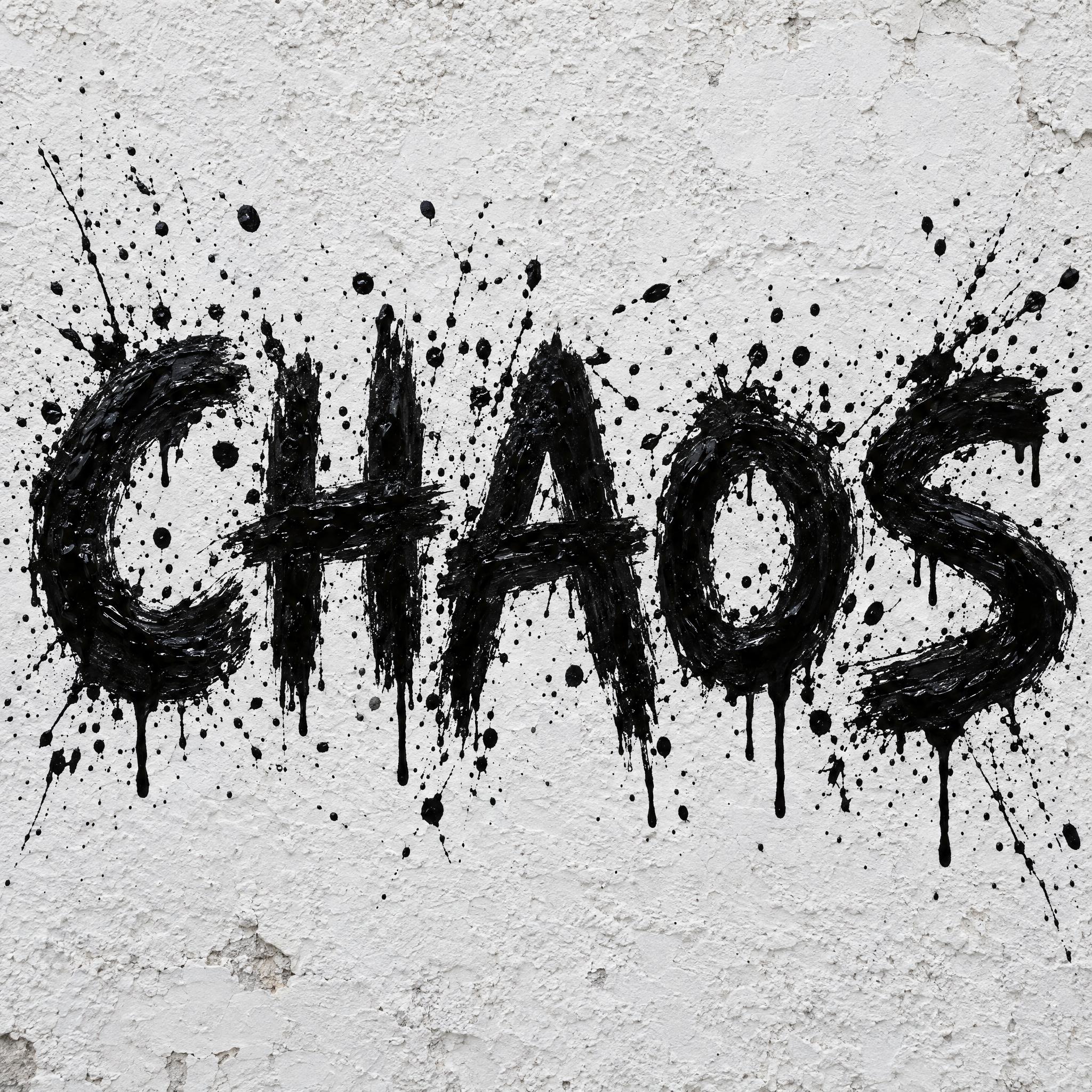
Every AIFont font page shows all five models' results for each language, so you can see how a style reads before you copy its prompt. The gothic font and graffiti letters collections are a good place to compare them side by side.
The data is open
All 2,495 images in the dataset, with prompts, verdicts and reviewer notes, are public under CC BY 4.0: AIFont text-rendering dataset on GitHub, archived on Zenodo (DOI 10.5281/zenodo.23815210). If you read Arabic, Japanese or any other language in it and spot a wrong verdict, open an issue. Corrections go into the next release and into this table.
We will rerun the comparison as new styles and languages ship, and when the models update.
FAQ
What is the best image generation model for text in 2026?
In our test of 2,016 images, GPT Image 2.5 and Nano Banana 2.1 tied at the top, spelling 401 of 404 and 402 of 404 words correctly. The gap between them is one image, so treat it as a tie. Both stayed above 95% in every script we tested, including Arabic.
Which AI image model is best for Japanese or Arabic text?
GPT Image and Nano Banana. On Japanese, both got 58 or 59 of 59 words right, against 45 to 52 for the other three models. On Arabic, they scored 96% and 100%, while Grok Imagine scored 71%, Seedream 57% and Qwen-Image 11%.
Why does Qwen-Image get text wrong?
Mostly by adding text nobody asked for. In 40 of its errors, Qwen-Image wrote the requested word correctly and then filled the image with a paragraph of extra lettering, often garbled copy of the prompt itself. Running the same prompt again rarely fixes it.
Is the test data public?
Yes. Every image, prompt, verdict and reviewer note is in the AIFont text-rendering dataset on GitHub and Zenodo under CC BY 4.0, and anyone can file a correction.
Copy a prompt, paste it into ChatGPT, Gemini or any image model, and swap in your text.
Browse all AI fonts