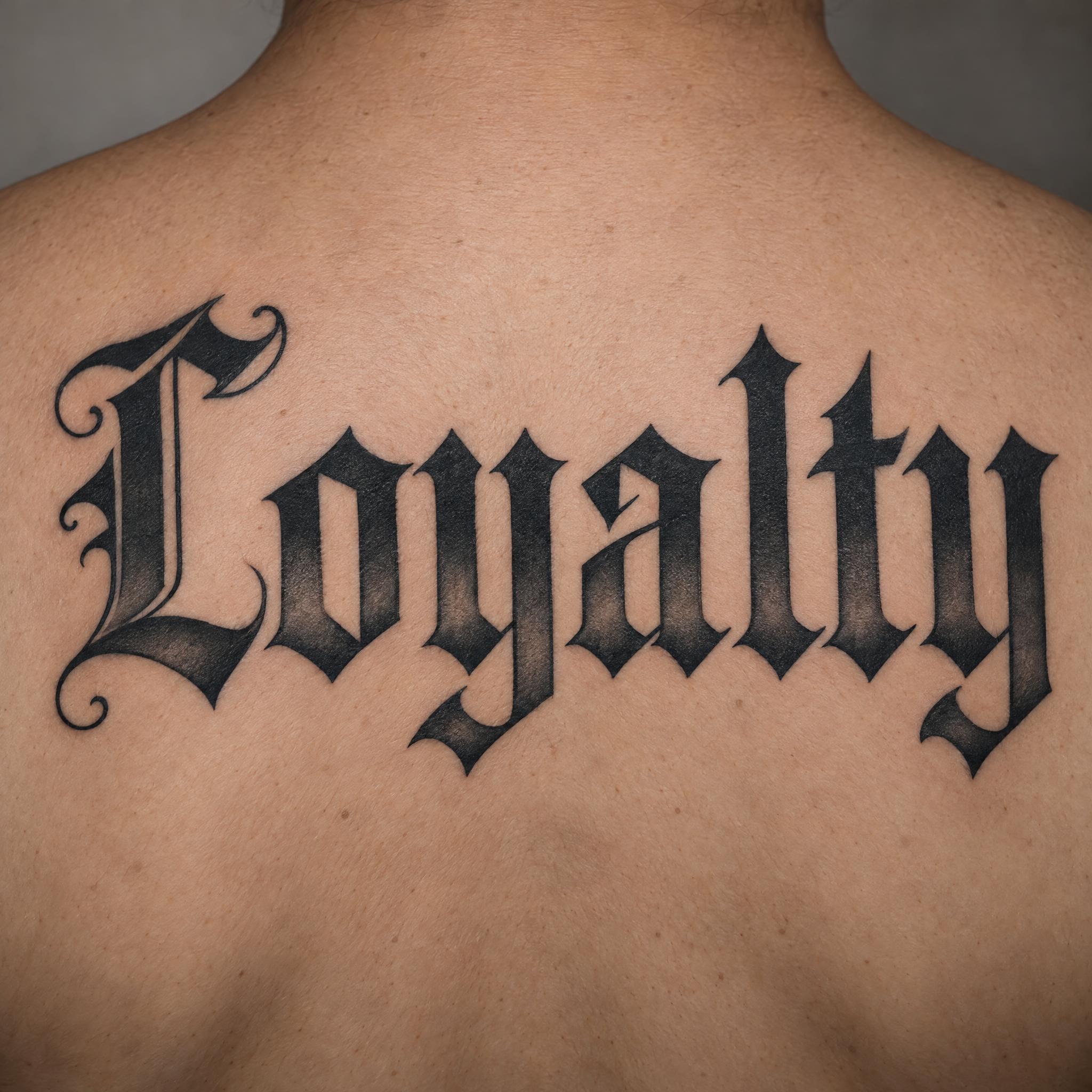
Bold black Old English letters with diamond feet and pointed tops, shaded with soft grey like a healed name tattoo.
TextWrite the word "Loyalty". Spell it exactly as written, without adding or changing any letter.
Font designOld English tattoo lettering: bold blackletter letters with tall upright strokes, sharp diamond-shaped feet and pointed tops, heavy vertical stems joined by hairline-thin strokes, a capital first letter with a few curled hairline flourishes, lowercase letters set close together, every letter easy to read. The letters are solid black ink, with soft grey shading fading up from the bottom of each thick stroke. The edges are clean and crisp like healed tattoo linework, flat ink rather than 3D or metallic. Like a classic black-and-grey name tattoo.
SceneThe word is tattooed across the upper back, close up so smooth skin fills the frame, in soft studio light. The word is centered, spans most of the width and reads clearly.
133 words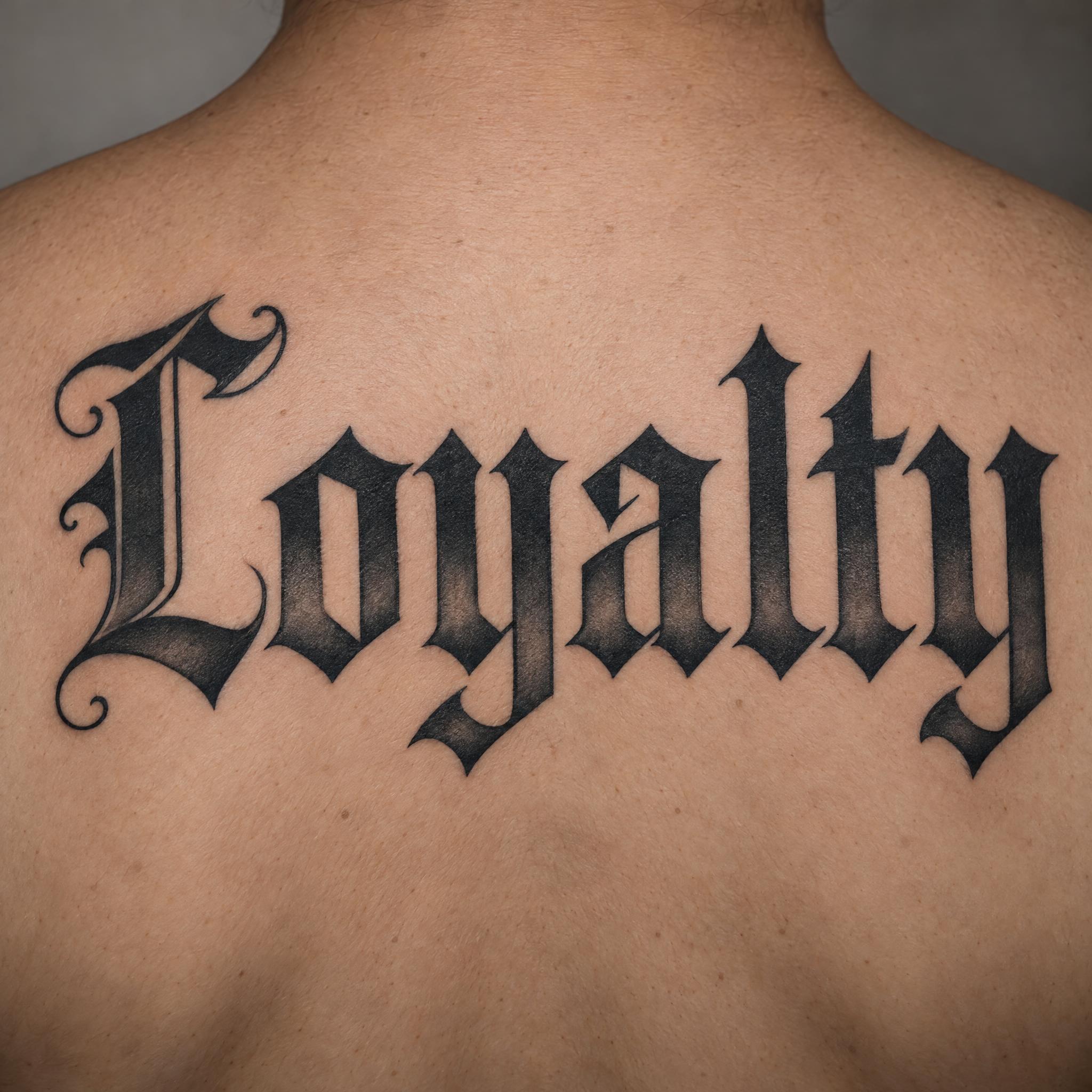
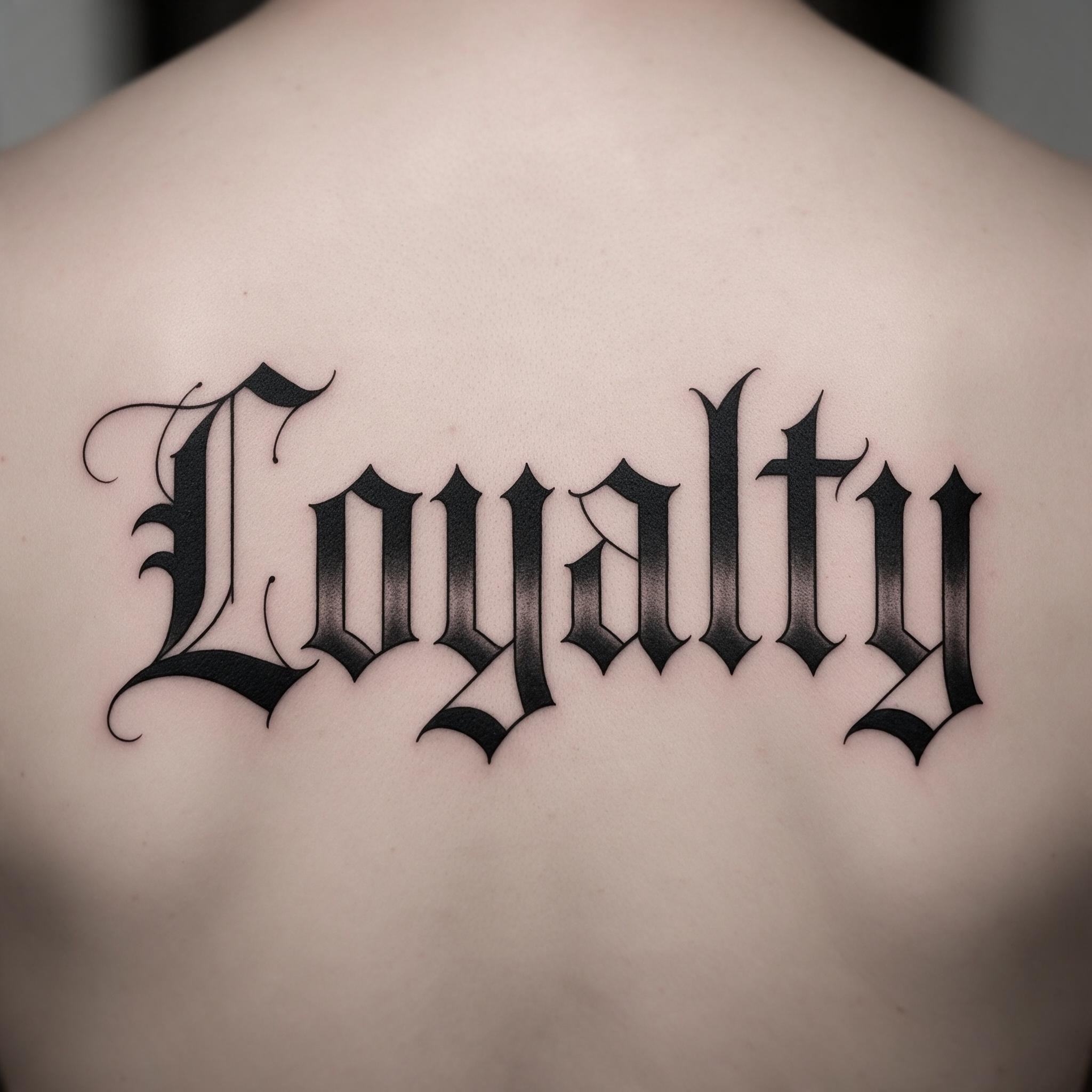
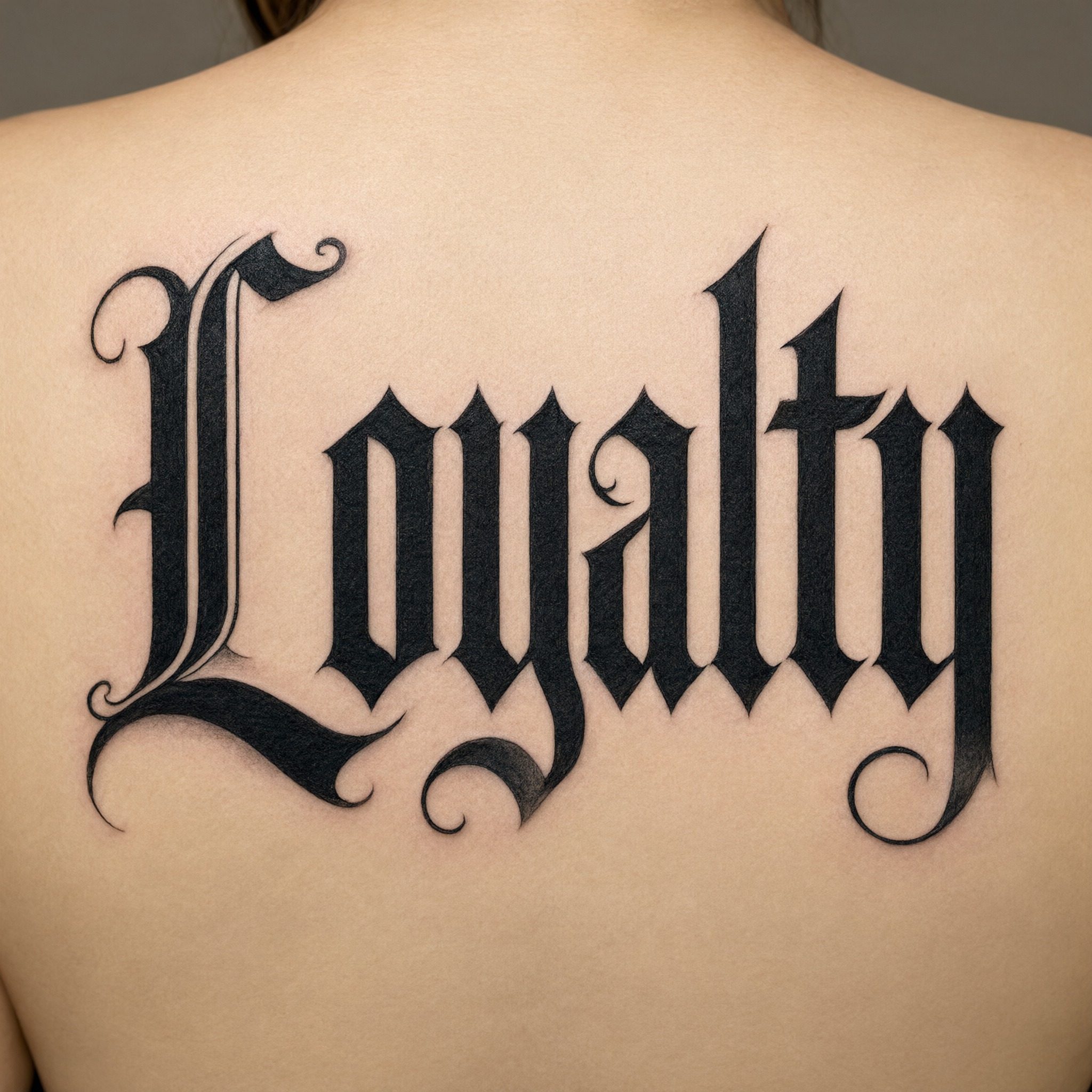
One prompt pasted into each image model as-is. These are the unedited results, so you can pick the model that suits you.
Crisp, heavy blackletter with a curled capital and smooth grey shading fading up each stroke, set squarely across a realistic upper back.
Soft grey shading runs through every letter, on warmer, darker skin; curls spring from several letters, not just the capital.
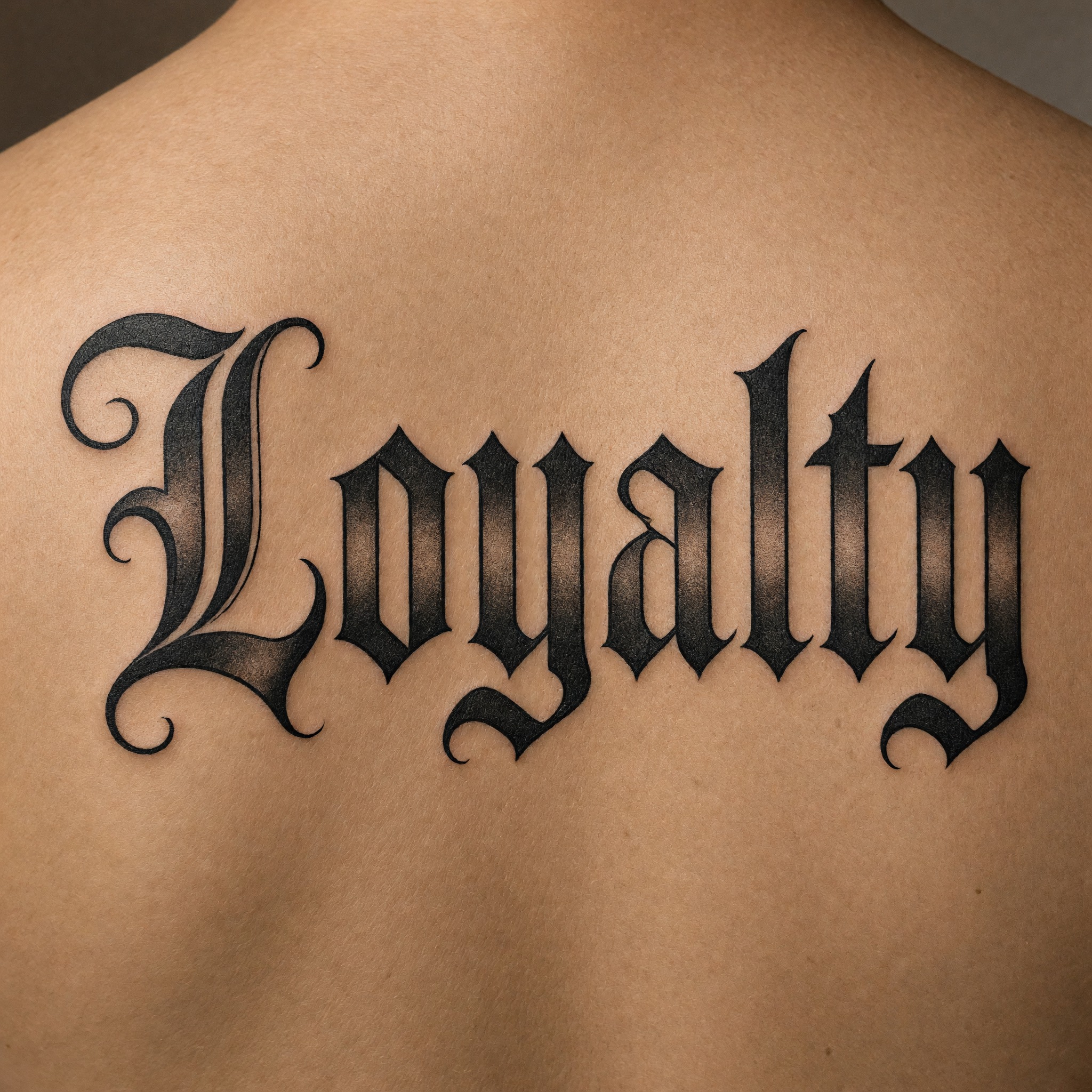
Slightly lighter strokes with the most ornate hairline flourishes on the capital, on a lean back in cool studio light.
Narrow, elegant blackletter with fine curls and gentle grey fades on pale skin.
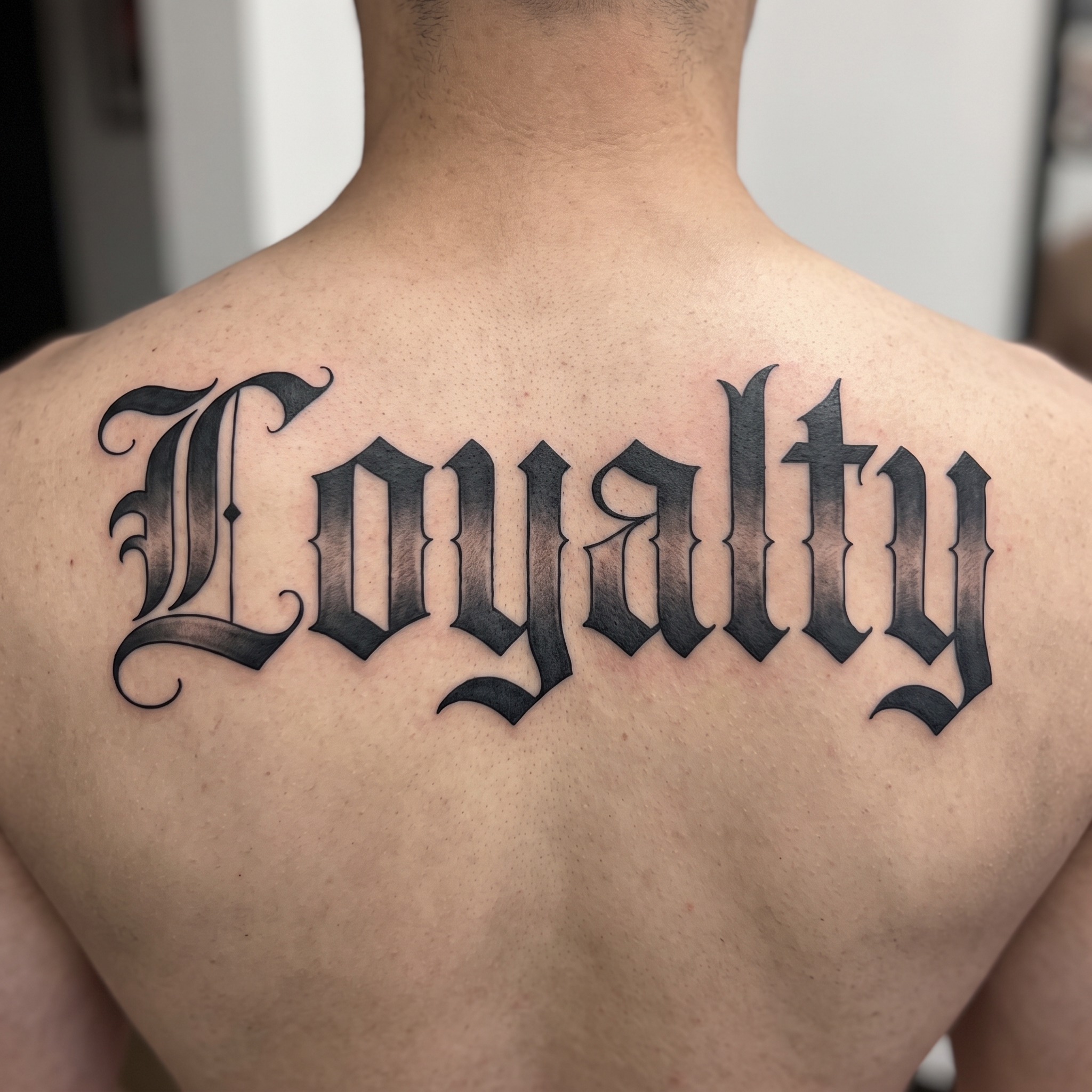
The boldest and blackest of the five: almost solid ink with very little grey, set large across the back.
The button opens FontVibe's DIY mode with this prompt already filled in, as-is, so all you do is type your name, pick a model and generate. GPT Image, Nano Banana, Seedream, Grok and Qwen are all there under one account instead of five different apps, so you can compare how each one draws the same tattoo. Every account gets free credits each month with no card needed, and you can export a transparent PNG to use as a stencil reference or on a shirt.
Layers in the order the prompt states them. Change one layer and the rest keeps working.
Every AIFont prompt opens with the same text part. "Spell it exactly as written, without adding or changing any letter" comes first, so the model settles the spelling before it starts breaking the letters into sharp blackletter strokes. Names on skin have to be right.
"bold blackletter letters with tall upright strokes, sharp diamond-shaped feet and pointed tops, heavy vertical stems joined by hairline-thin strokes" spells out what makes Old English look like Old English: thick stems, thin joins and angular ends instead of round curves. "every letter easy to read" keeps the model from packing it into an unreadable picket fence.
"a capital first letter with a few curled hairline flourishes" gives the word a lead letter, the way most name tattoos start. Keeping it to a few flourishes stops the decoration from swallowing the rest of the word.
"The letters are solid black ink, with soft grey shading fading up from the bottom of each thick stroke." is the colour sentence. Black-and-grey is the classic look for this lettering; change it to solid black for a flatter, bolder tattoo.
"The edges are clean and crisp like healed tattoo linework, flat ink rather than 3D or metallic" is the one negative. Ask a model for Old English and it often reaches for chrome or gold 3D letters; this line keeps it as ink in the skin.
"Like a classic black-and-grey name tattoo." gives the model one familiar reference for the weight, the shading and the purpose.
"The word is tattooed across the upper back, close up so smooth skin fills the frame, in soft studio light" puts the lettering where Old English name tattoos are most often worn. "The word is centered, spans most of the width and reads clearly" keeps the word the star. Swap the back for a forearm, a chest or a sheet of paper; the letters stay the same.
Small edits that stay on-style. Change one thing at a time.
Type it in the box next to Prompt above and copy again. Names, family words and dates all work; for a year like 1998, the same prompt draws Old English numerals.
Change "The letters are solid black ink, with soft grey shading fading up from the bottom of each thick stroke." to "The letters are solid black ink with no shading.", "The letters are black outlines only, left hollow." or "The letters are deep red ink with black edges."
Replace "tattooed across the upper back" with "tattooed down the outer forearm", "tattooed across the chest" or "drawn as a stencil on white paper".
The prompt sets no frame size. Pick 16:9 in your app for a long name, or 9:16 for a word running down an arm, or add "Wide 16:9 image." at the end.
AI fonts that share the most tags with Old English Tattoo.
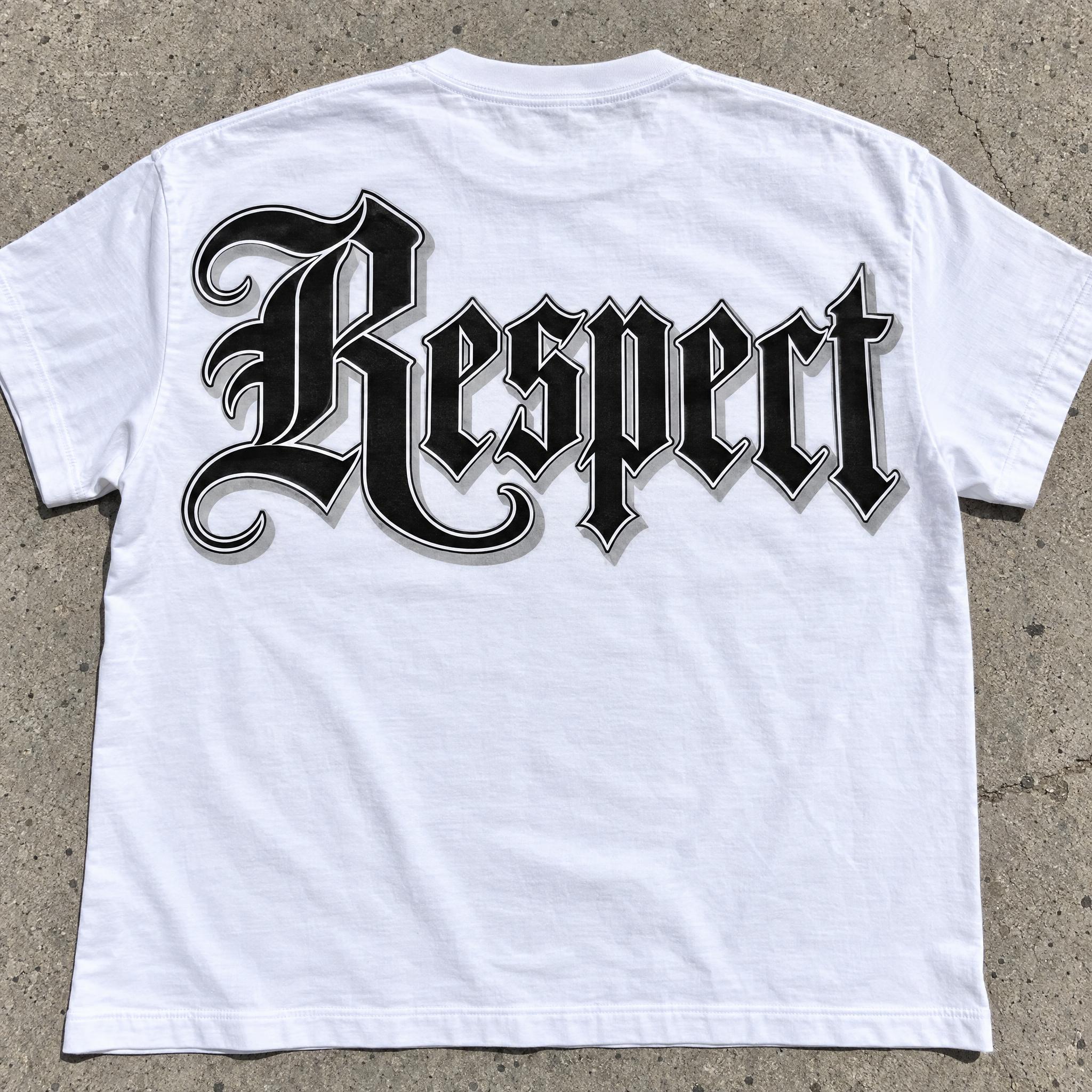
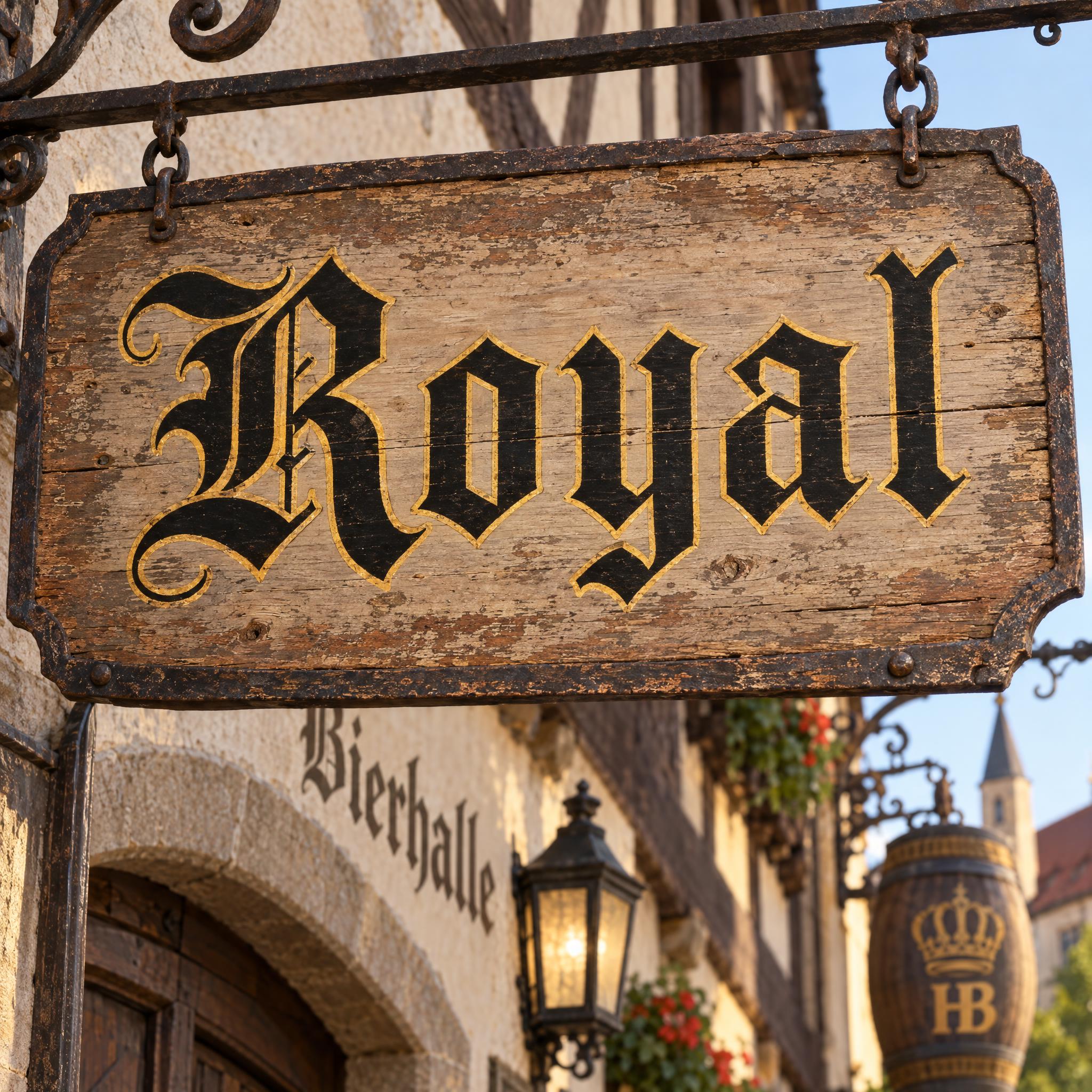
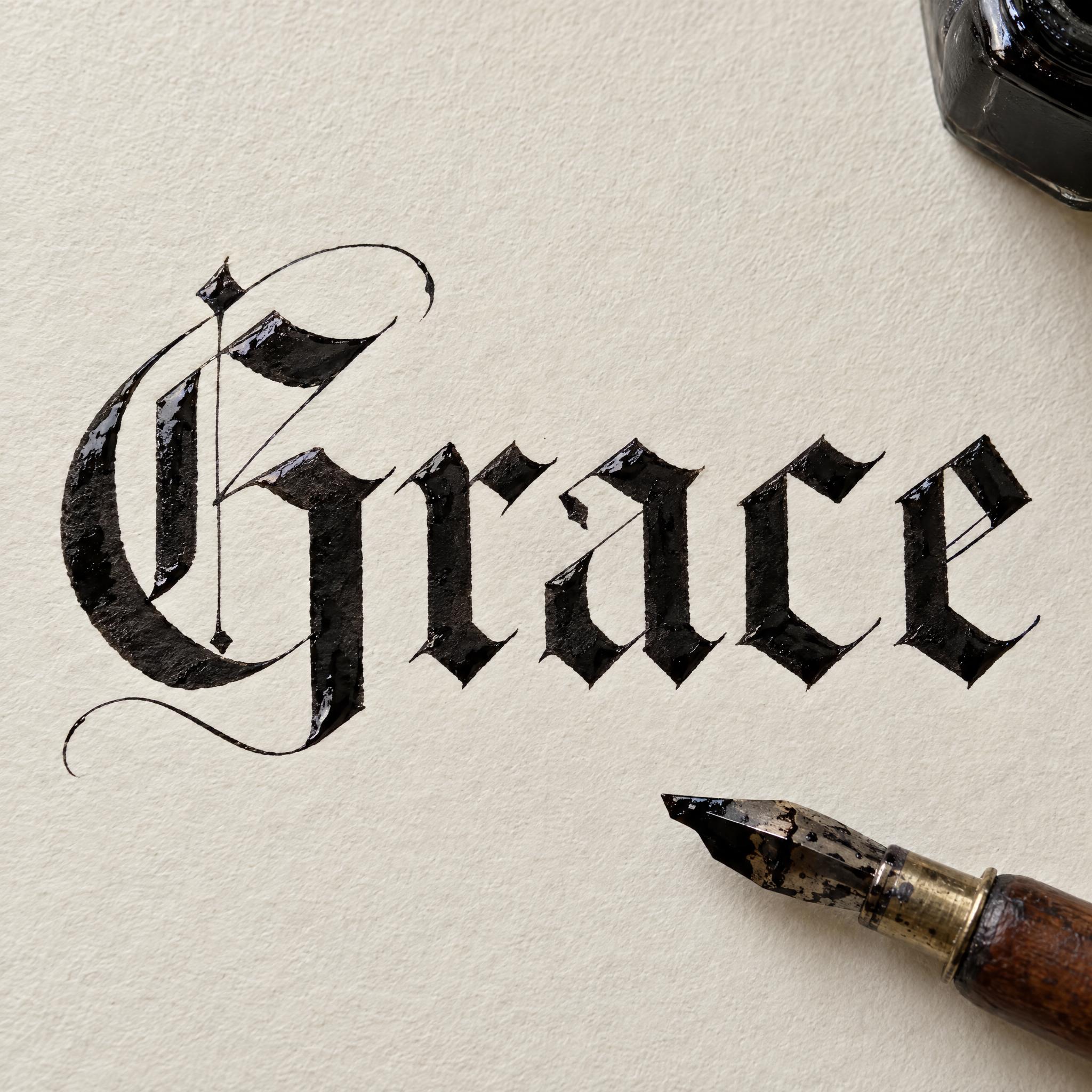
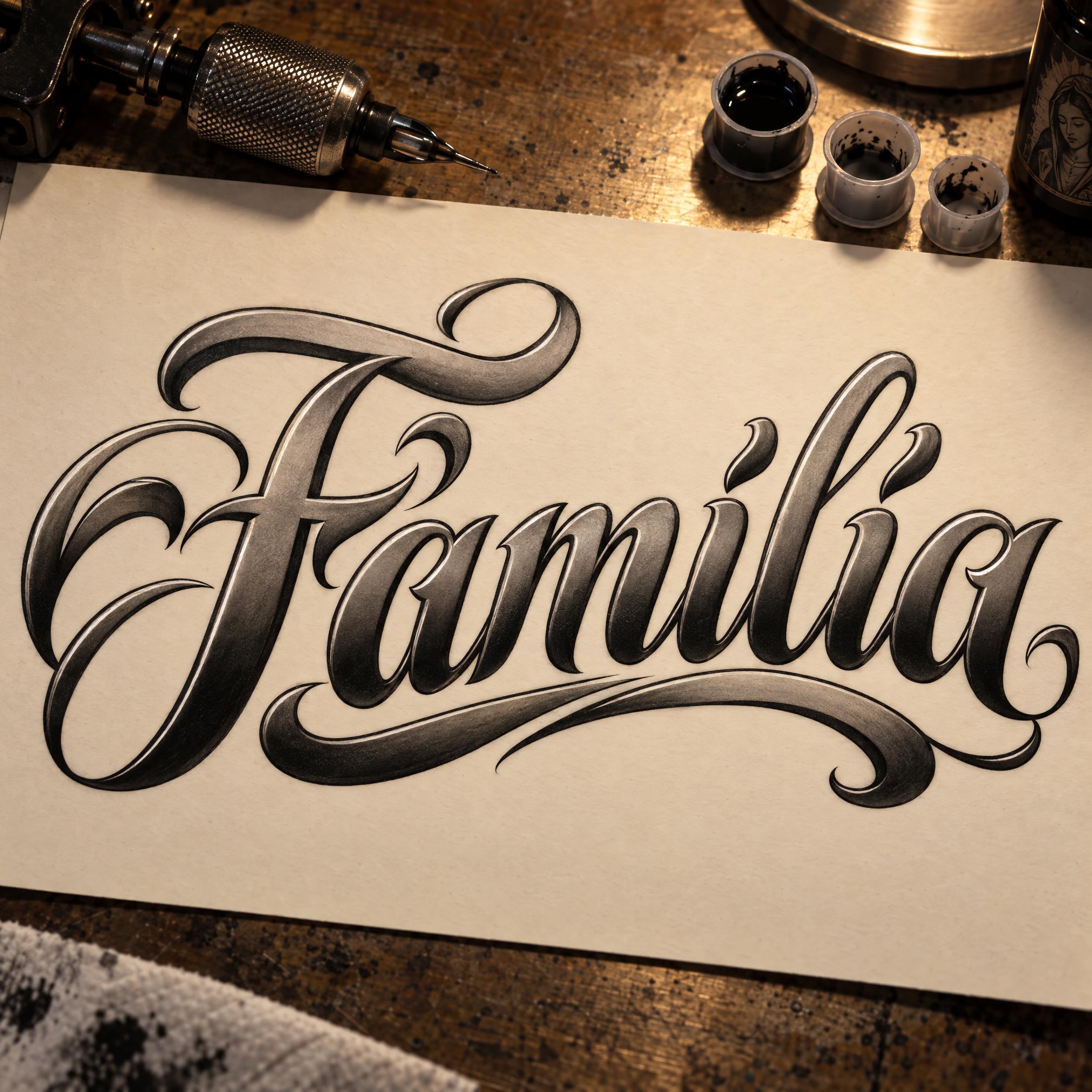
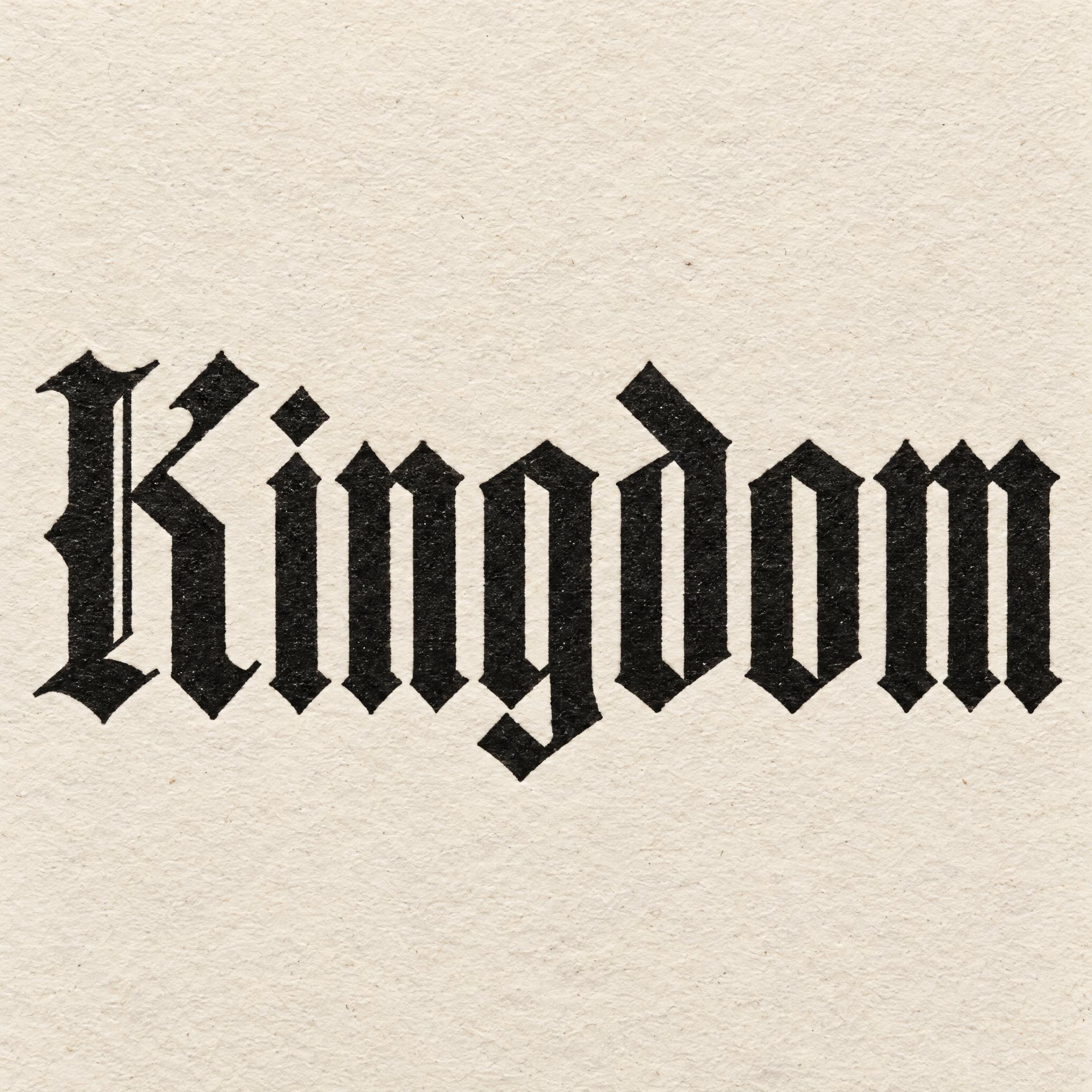
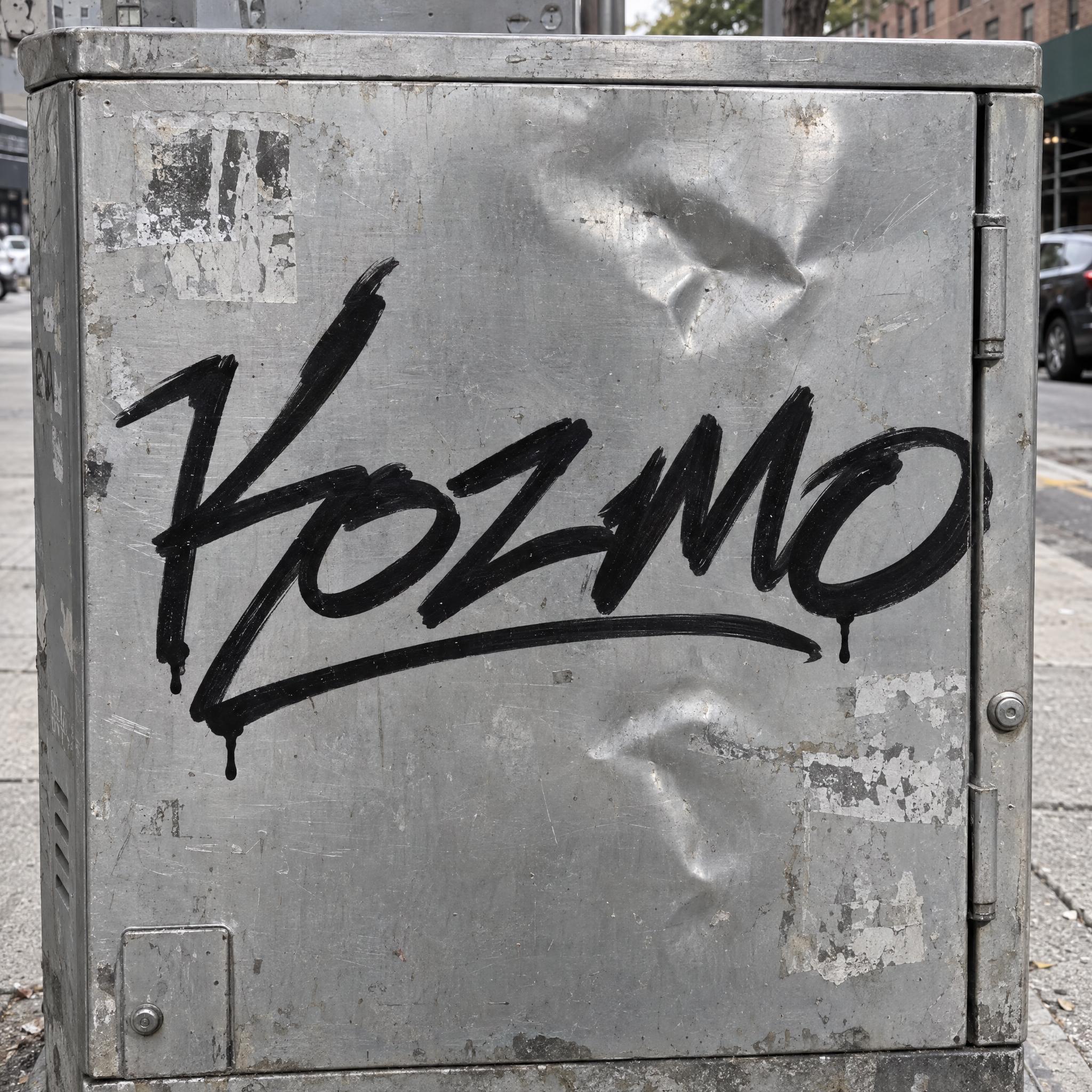
AI fonts for a second line, a logo lock-up or a poster footer.
Old English Tattoo writes your word in the bold blackletter that has marked names, family words and birth years on skin for decades: tall upright strokes, sharp diamond feet, pointed tops and hairline joins, with a capital that curls into a few fine flourishes. The ink is solid black, softened by grey shading that fades up from the bottom of each thick stroke, and the edges stay crisp like healed linework.
Type your word in the box above the prompt, copy it, and paste it into ChatGPT, Gemini, Grok or any other AI image app. The prompt has three parts: the text, the font design and the scene. The font design is what makes the Old English tattoo; the scene is yours to change. Every image on this page was made by pasting the prompt unchanged into each model, and nothing was retouched.
Use it to preview a name or motto tattoo before you book, for tattoo flash and stencils, and for streetwear graphics, album covers and posters that want the same weight.
Details from the original render. Every one of them is named in the prompt.
Upright blackletter strokes end in sharp angles instead of curves.
Heavy vertical strokes linked by very thin connecting lines.
The first letter carries a few fine hairline flourishes.
Solid black ink with soft grey fading up from the bottom of each stroke.
Pulled from the render. Handy when you build the rest of the design around the word.
Where this AI font earns its keep.
"Old English" is a modern nickname, not a period name. The letters are blackletter, the Gothic book hand of the late Middle Ages, and the name has nothing to do with the Old English language, which is centuries older. The typefaces sold as Old English today are also modern takes: they add Arabic numerals that medieval scribes never used, and drop old features such as the long s.
That sense of age and permanence is why the letters keep turning up where something is meant to last: the nameplates of The New York Times and the Los Angeles Times, and names and family words worn on skin. The tattoo version keeps the broken blackletter skeleton but is drawn heavier and shaded in black and grey, so a single word reads from across a room.
Sources: Wikipedia — Blackletter
Johannes Gutenberg prints the 42-line Bible in a textualis blackletter, the ancestor of the letters now called Old English.
All five drew real blackletter on skin with black-and-grey shading. GPT Image is the crispest, Nano Banana has the finest flourishes, Seedream is the most elegant, Grok the softest and Qwen the boldest. Capital letters are where blackletter goes wrong: in Portuguese Grok's first try turned the H of Honra into a K and needed a second run. In Japanese, Qwen drew a plain bold typeface instead of angular strokes, and in Arabic only GPT Image and Nano Banana wrote the word correctly. Compare them side by side above.
Type it in the box next to Prompt above, then copy the full prompt. Check the spelling in the image letter by letter before you take it to a tattoo artist: blackletter strokes look alike, and a model can still slip.
Yes. Type the year in the word box; the prompt draws it in the same Old English style. Numerals are a modern addition to these letters, since the medieval scribes they imitate didn't write Arabic numerals, so expect each model to draw them a little differently.
Yes. Replace the colour sentence with "The letters are solid black ink with no shading." for a flatter, bolder look.
No. An AI font is a prompt, not a .ttf or .otf file. You paste it into an image model and it draws your word as a finished tattoo, with the shading and skin that an installed font can't give you.
Copying the prompt on AIFont is free. Generating the image uses the app you paste it into, so that app's own free limits or plan apply.