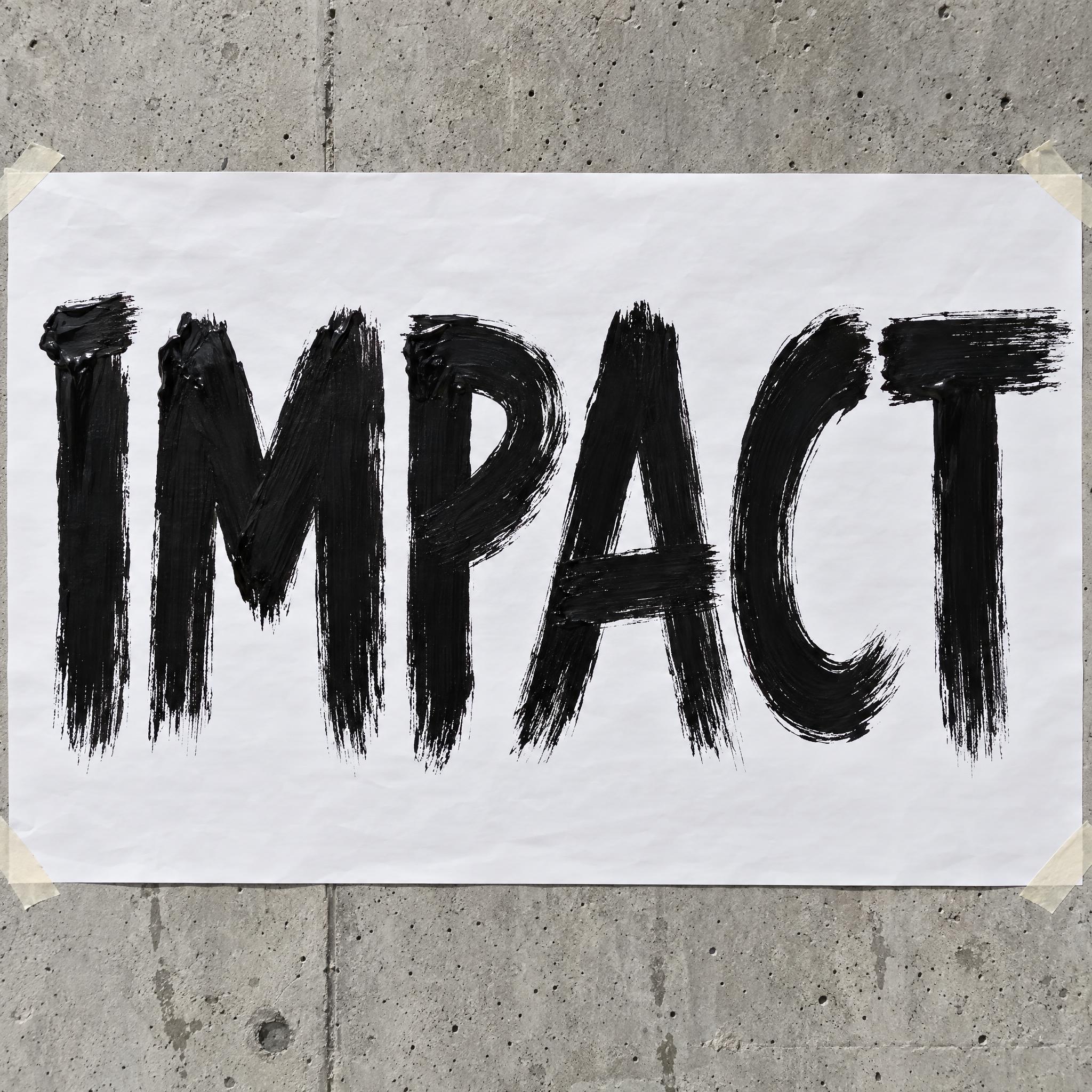
Bold capitals, each stroke one fast sweep of a loaded brush: thick paint at the start, torn ragged edges and dry streaks at the end.
TextWrite the word "IMPACT". Spell it exactly as written, without adding or changing any letter.
Font designBrush stroke lettering: bold capital letters, each stroke painted in one fast sweep of a wide brush loaded with paint, the letters upright and set close together. Every stroke starts thick and flat where the brush lands and thins out where it lifts off, its edges torn and ragged where the bristles split apart, with fine dry streaks dragging out of the end; every letter clearly readable. Paint pools thick and slightly glossy at the start of each stroke. The paint is solid black. Never a joined cursive script. Like the hand-painted headline on a music festival poster.
SceneThe word is painted large on a sheet of white poster paper taped to a grey concrete wall, in bright daylight. The word is centered, spans most of the width and reads clearly.
146 words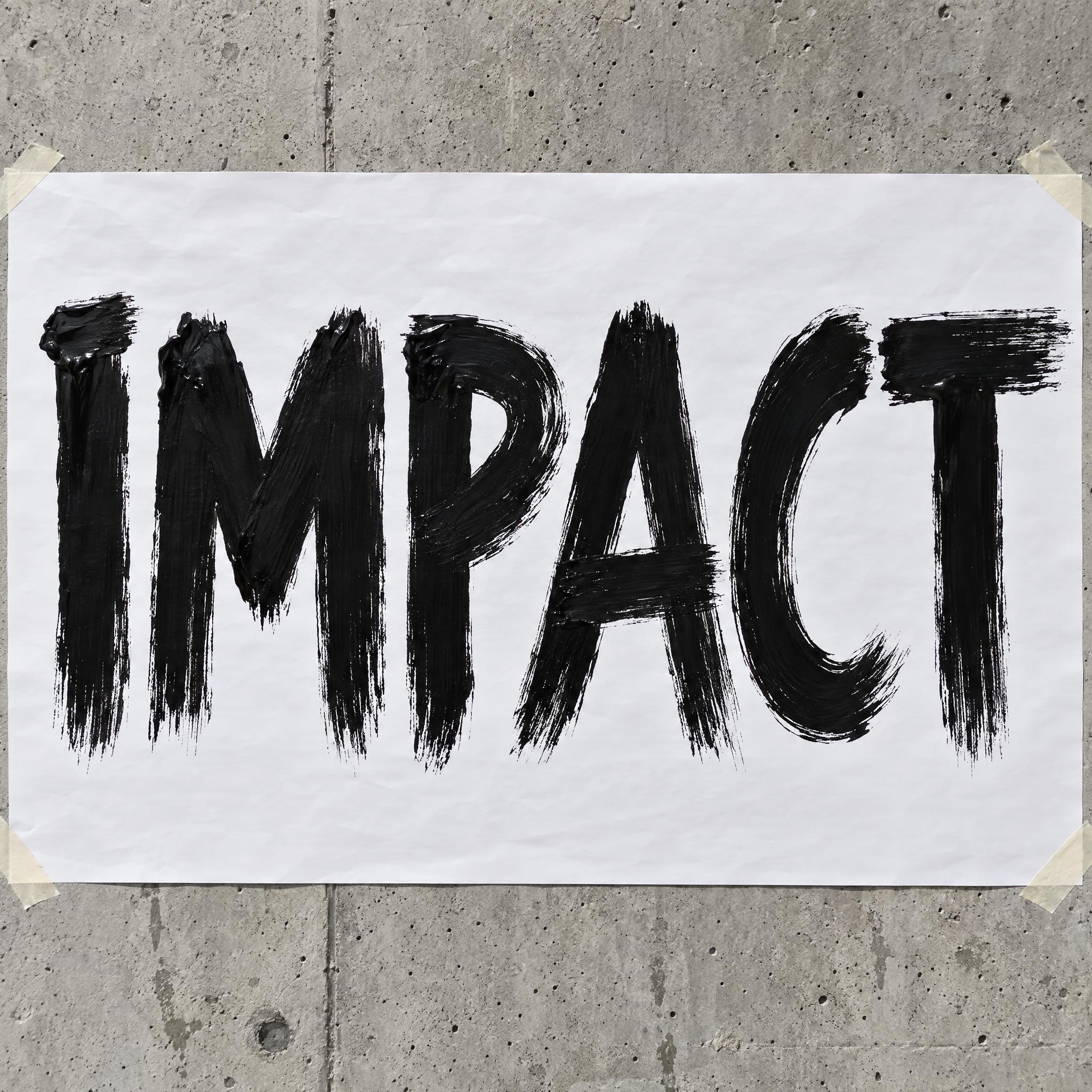
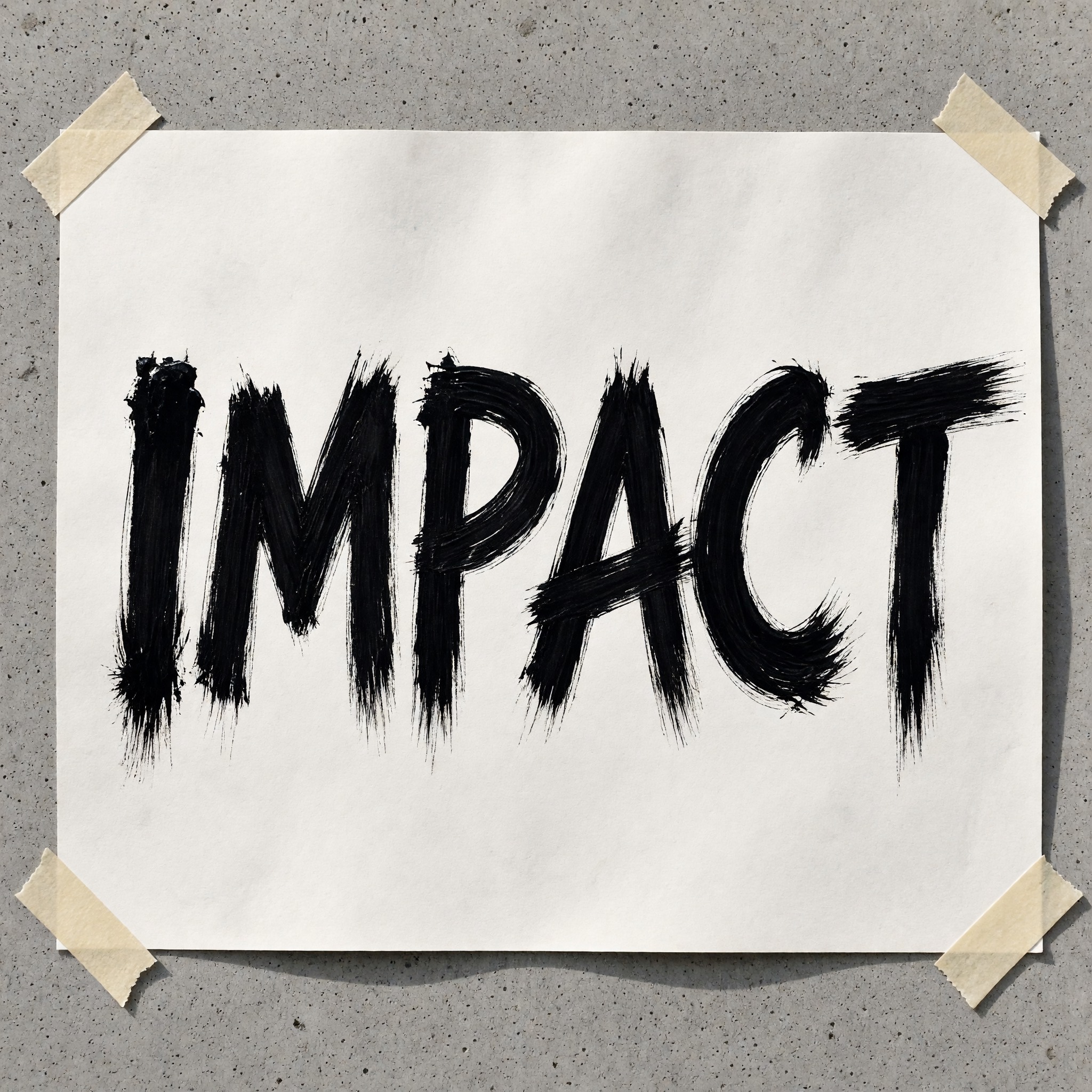
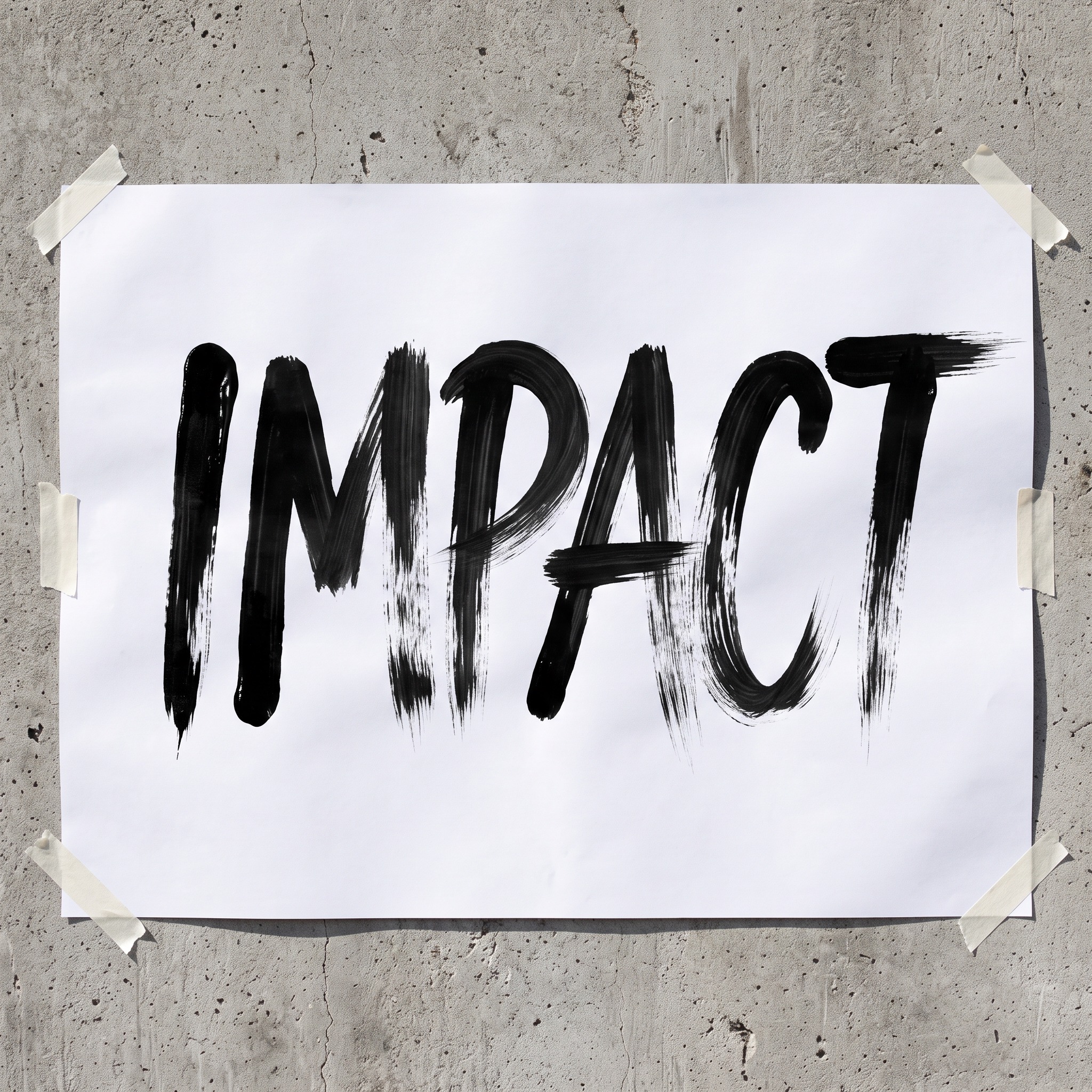
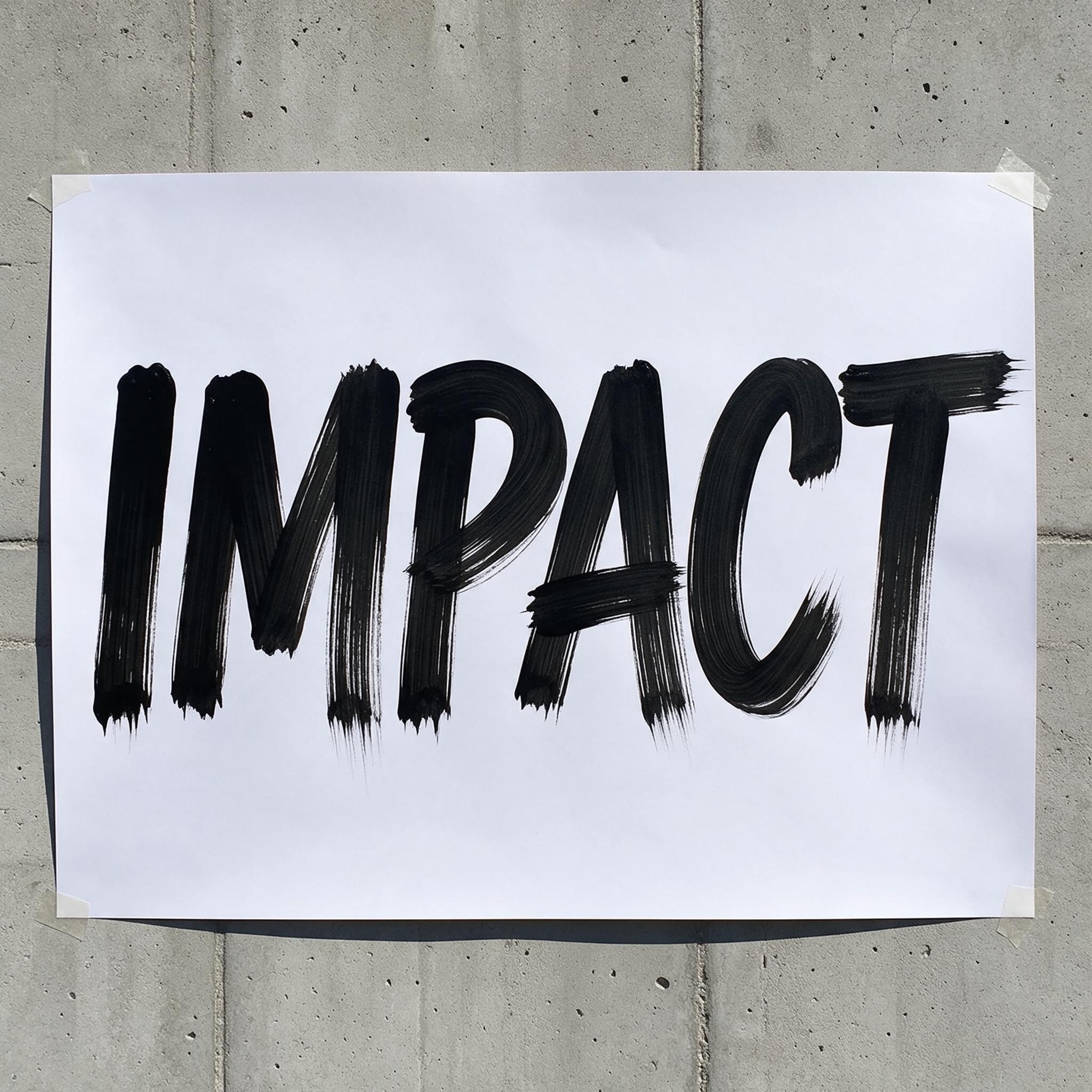
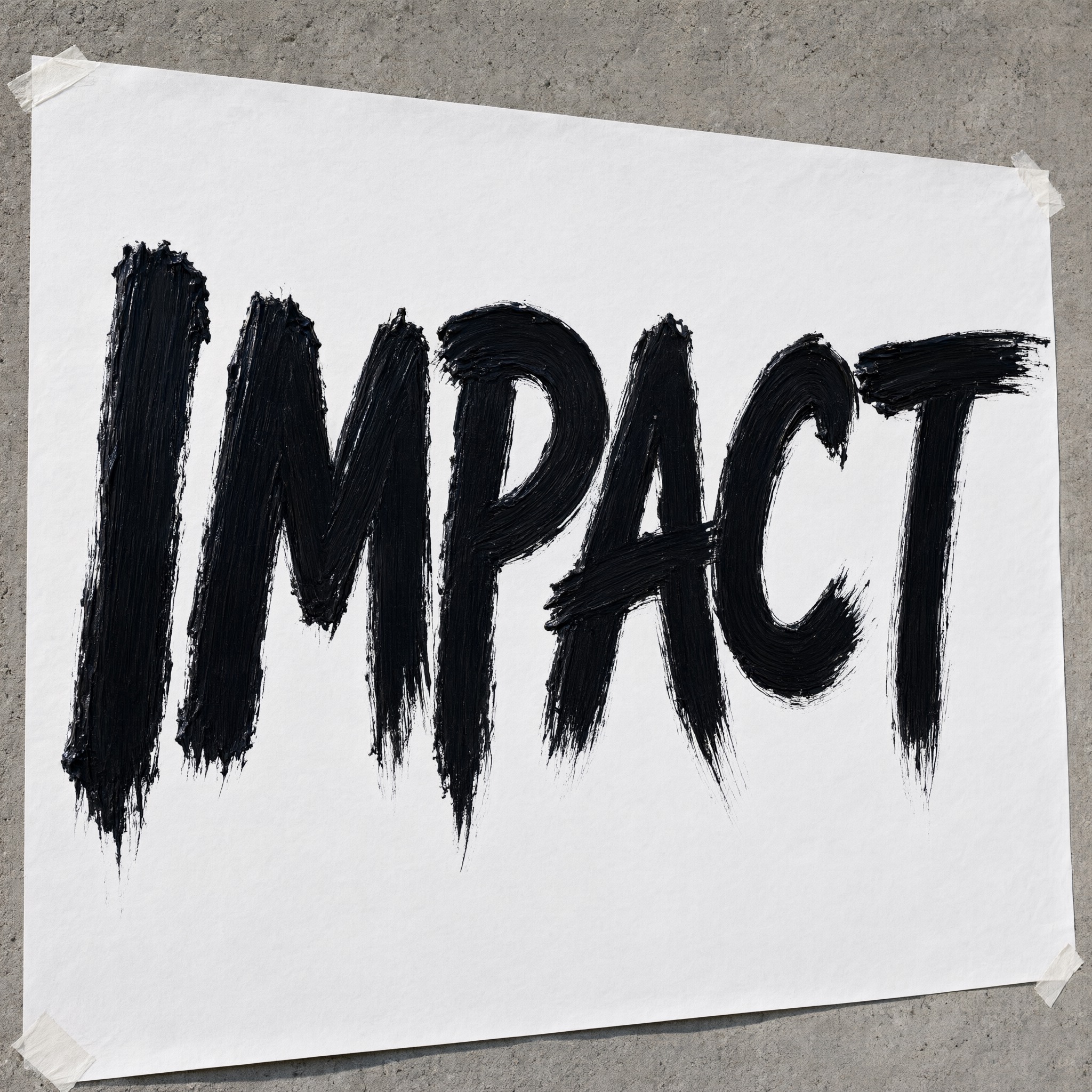
One prompt pasted into each image model as-is. These are the unedited results, so you can pick the model that suits you.
Heavy strokes dragged downward, with long dry tails at the bottom.
Dense, rough strokes and ragged ends on every letter.
Narrow, tall strokes with the driest, most broken texture.
Neat, even strokes with clear bristle lines.
The biggest letters, with long dripping tails.
The button opens FontVibe in DIY mode with this prompt filled in as it is. Type your word, pick a model and generate. GPT Image, Nano Banana, Seedream, Grok and Qwen are all in one account, so you can see how each one paints the strokes without opening five apps. Every account gets free credits each month with no card needed, and you can export a transparent PNG to drop the lettering onto your own poster or cover.
Layers in the order the prompt states them. Change one layer and the rest keeps working.
Every AIFont prompt opens with the same text part. "Spell it exactly as written, without adding or changing any letter" comes first, because wide, ragged strokes can easily merge two capitals or add a stray bar.
"Brush stroke lettering: bold capital letters, each stroke painted in one fast sweep of a wide brush loaded with paint, the letters upright and set close together." names the look and the method: capitals, each stroke painted in one go with a loaded brush, standing close like a headline.
"Every stroke starts thick and flat where the brush lands and thins out where it lifts off, its edges torn and ragged where the bristles split apart, with fine dry streaks dragging out of the end; every letter clearly readable." is the core of the look: the stroke lands flat and thick, tears apart where the bristles split and leaves dry streaks behind. "every letter clearly readable" keeps the mess in check.
"Paint pools thick and slightly glossy at the start of each stroke." adds the thick, slightly shiny blob where the brush first touches down, which is what makes it look painted rather than printed.
"The paint is solid black." is the only colour sentence. Change just this line for red, white or neon paint.
"Never a joined cursive script." keeps the letters as separate capitals. Without it, models often drift into a joined brush script.
"Like the hand-painted headline on a music festival poster." points the model at the loud, hand-painted headlines this style is known for.
"The word is painted large on a sheet of white poster paper taped to a grey concrete wall, in bright daylight." puts the strokes on plain white paper, where every torn edge shows. "The word is centered, spans most of the width and reads clearly." keeps the word the star. Swap this part for your own use.
Small edits that stay on-style. Change one thing at a time.
Type it in the box next to Prompt above and copy again. Short words of three to seven letters look the strongest.
Swap "The paint is solid black." for "The paint is bright red.", "The paint is white." or "The paint is neon yellow." (use a dark background for white).
Replace "painted large on a sheet of white poster paper taped to a grey concrete wall, in bright daylight" with "painted large across a black T-shirt", "painted on a torn cardboard sign" or "painted across a white wall in a skate park".
The prompt sets no frame size. Pick the ratio in your app, or add "Wide 16:9 image." or "Tall 4:5 image." at the end.
AI fonts that share the most tags with Brush Stroke Font.
 Premium
AI fonts for a second line, a logo lock-up or a poster footer.
Brush Stroke Font paints your word in bold capital letters, each stroke one fast sweep of a wide brush loaded with paint: thick and glossy where the brush lands, thinning where it lifts off, with torn, ragged edges and fine dry streaks dragging out of the end. The letters stand upright and close together, like a headline painted in one go.
Type your word in the box above the prompt, copy it and paste it into ChatGPT, Gemini, Grok, Qwen or Seedream. The prompt has three parts: the text, the font design and the scene. The font design makes the brush strokes; the scene is yours to change. Every image on this page came from pasting the prompt unchanged into each model, with nothing retouched.
Use it for posters and headlines, festival and event graphics, album covers, sports and street-wear brands and bold social posts.
Details from the original render. Every one of them is named in the prompt.
Each stroke is a single fast pass of a wide brush.
Edges rip apart where the bristles split.
Fine dry lines drag out of each stroke's end.
Separate capitals, upright and close together.
Pulled from the render. Handy when you build the rest of the design around the word.
Where this AI font earns its keep.
Big, fast black brush strokes on white became an art style of their own in New York around 1950. The critic Harold Rosenberg named it action painting in 1952: paint dribbled, splashed or smeared on rather than carefully applied. Franz Kline is the painter most people picture: from about 1948 to 1950 he moved to large black strokes on white grounds, applied with a house painter's brush, and said the white mattered as much as the black.
Brush stroke lettering borrows that energy for words. Each letter is built from a few heavy sweeps, the paint pooling where the brush lands and tearing into dry streaks where it runs out. It is the look of a headline painted in one go, which is why it turns up on posters, festival graphics and sports brands.
Sources: Wikipedia — Action painting · Wikipedia — Franz Kline
Franz Kline turns to large black brush strokes on white, painted with a house painter's brush.
Harold Rosenberg names the gestural style in his essay The American Action Painters.
All five painted bold capitals with torn edges and dry streaks, and every model spelled the word right in the Latin languages, Japanese and Chinese. GPT Image has the thickest paint, Nano Banana the driest texture, Seedream the neatest strokes, Grok the roughest and Qwen the biggest letters. In Arabic, Seedream and Grok added extra dots on the first try and got it right on the second. Compare them side by side above.
Brush Script is a joined, mixed-case handwriting painted with a dry brush. Brush Stroke Font is separate, upright capitals, each stroke one heavy sweep of a loaded brush, more like a painted headline than handwriting.
Type it in the box next to the prompt and copy the full prompt again. One short word works best; long phrases get small and lose the stroke texture.
Change only "The paint is solid black.", for example to "The paint is bright red." For white paint, also change the scene to a dark background.
Pick the ratio in your app if it has one. If not, add "Wide 16:9 image." or "Tall 4:5 image." at the end of the prompt.
No. It is a prompt that makes a picture of your word in painted brush strokes with an AI image model, so there is nothing to install and any word works. Because every image is painted fresh, no two letters come out exactly the same.
Copying the prompt is free. Whether the image costs anything depends on the app you paste it into, and what you may do with the image depends on that app's terms.