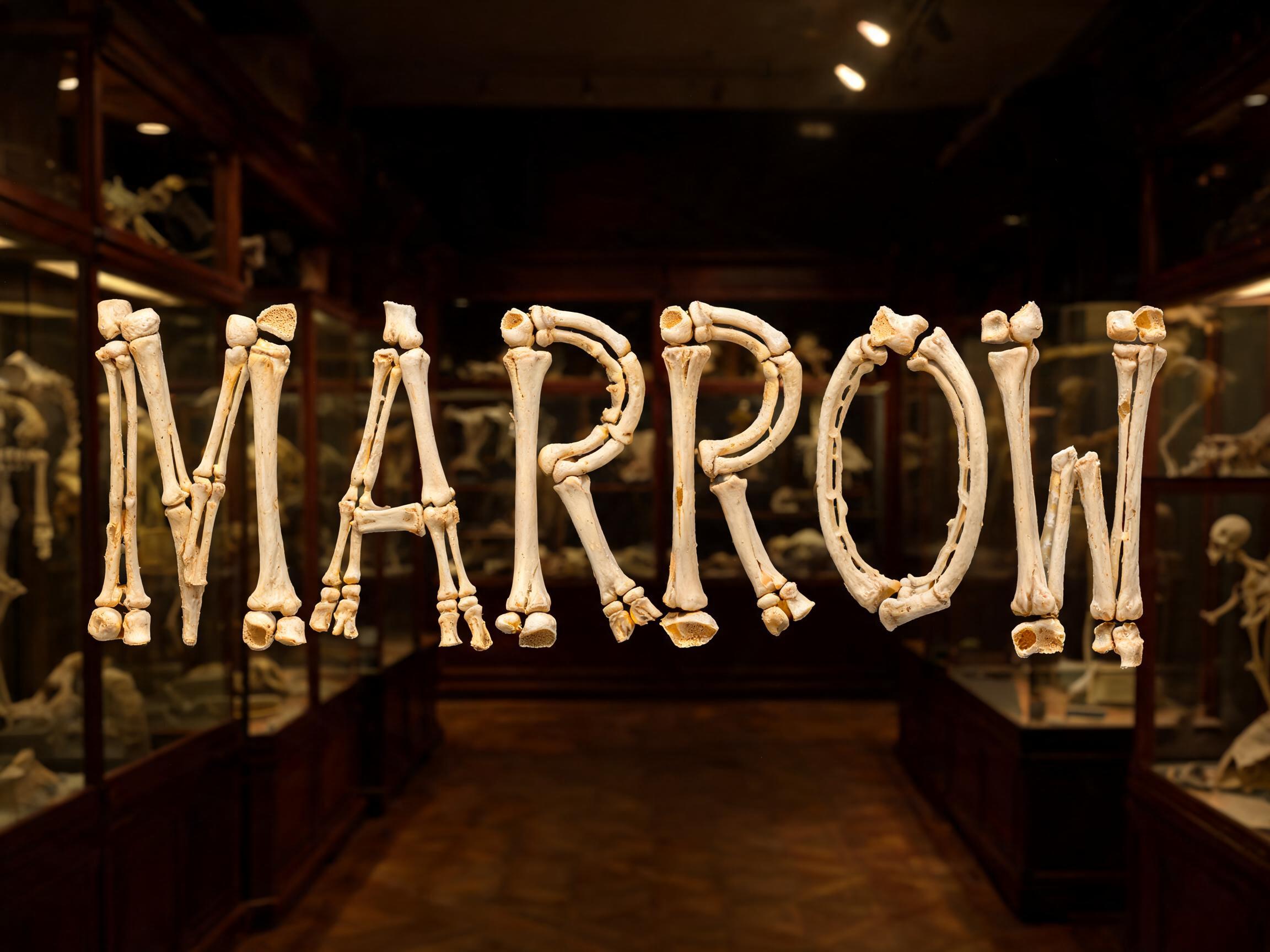
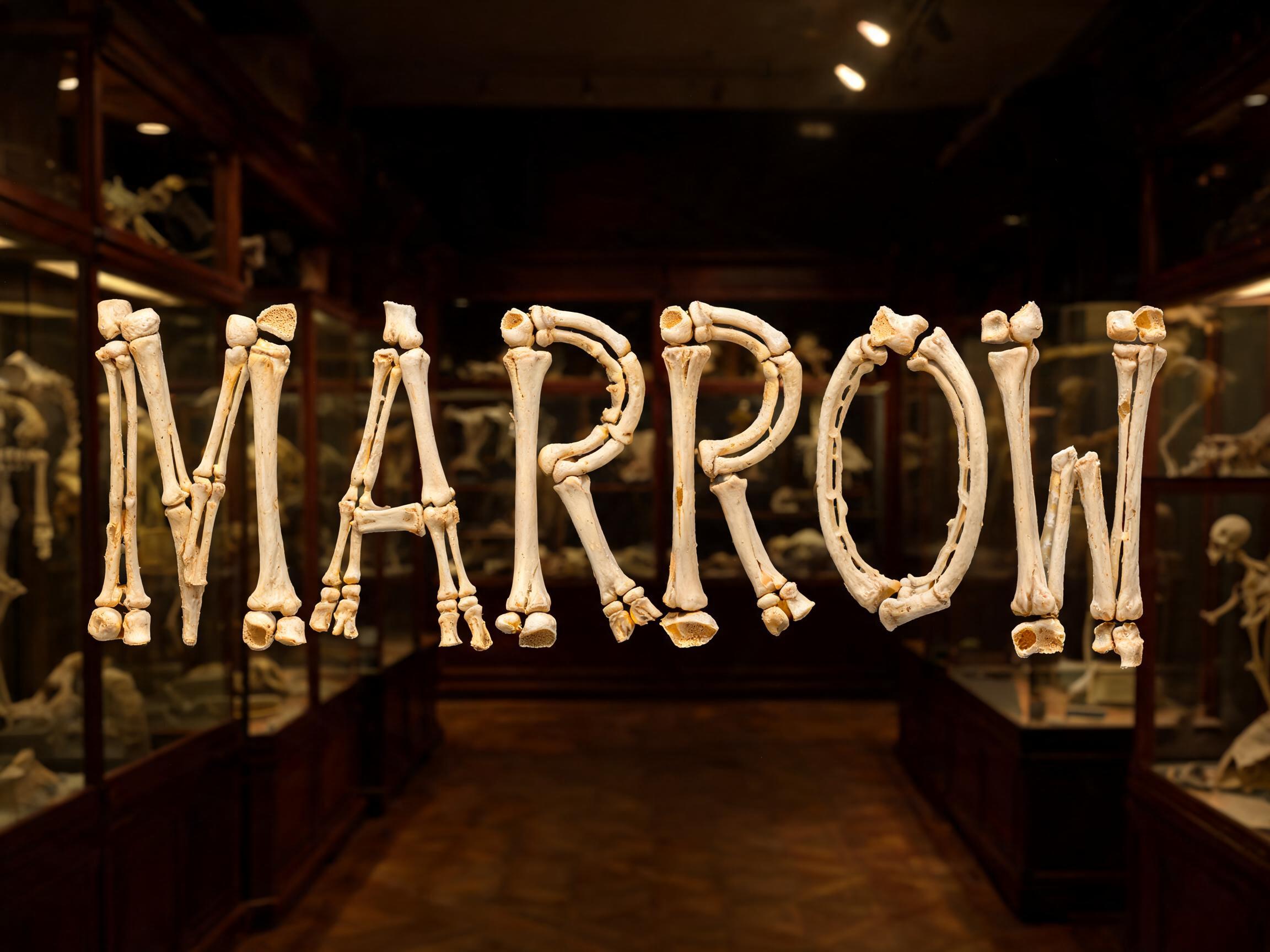
Letters built from real anatomy: vertebrae as uprights, rib arcs as bowls, phalanx joints as serifs.
Esta fonte de IA ainda não tem versão em Português. Abaixo estão o prompt em inglês e as imagens que ele gerou.
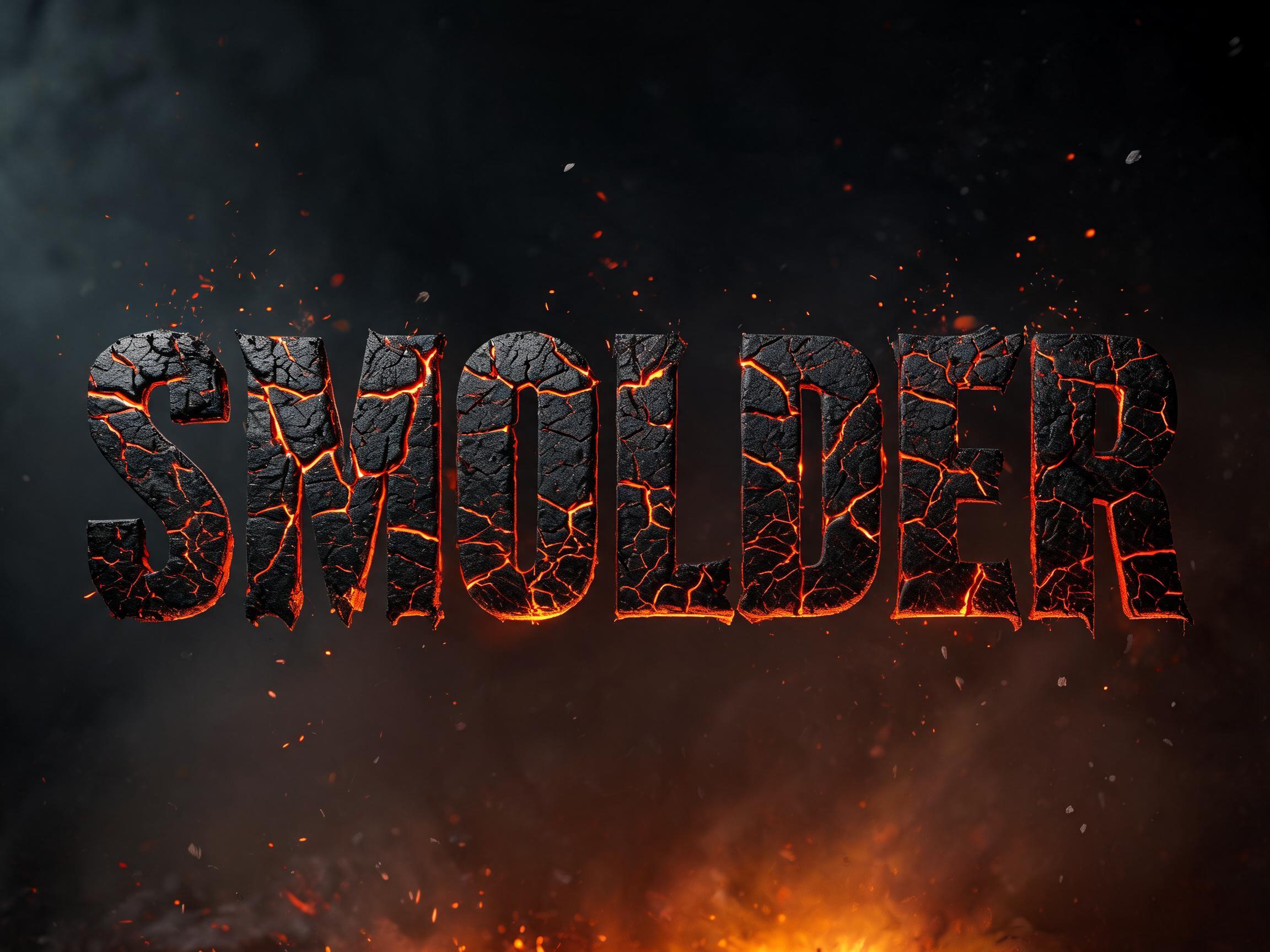
Fontes de IA com mais tags em comum com Bio Mech Bone.
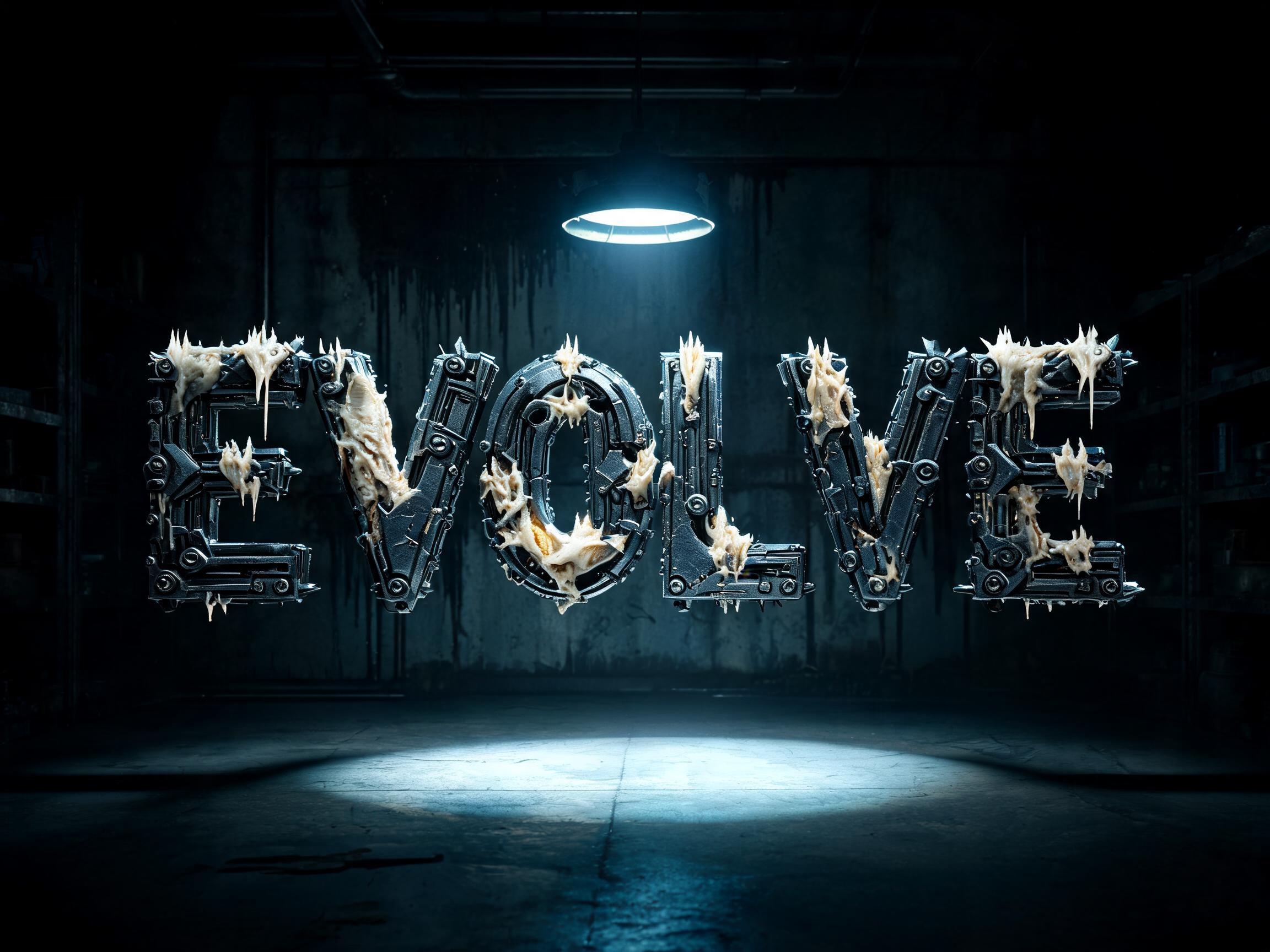
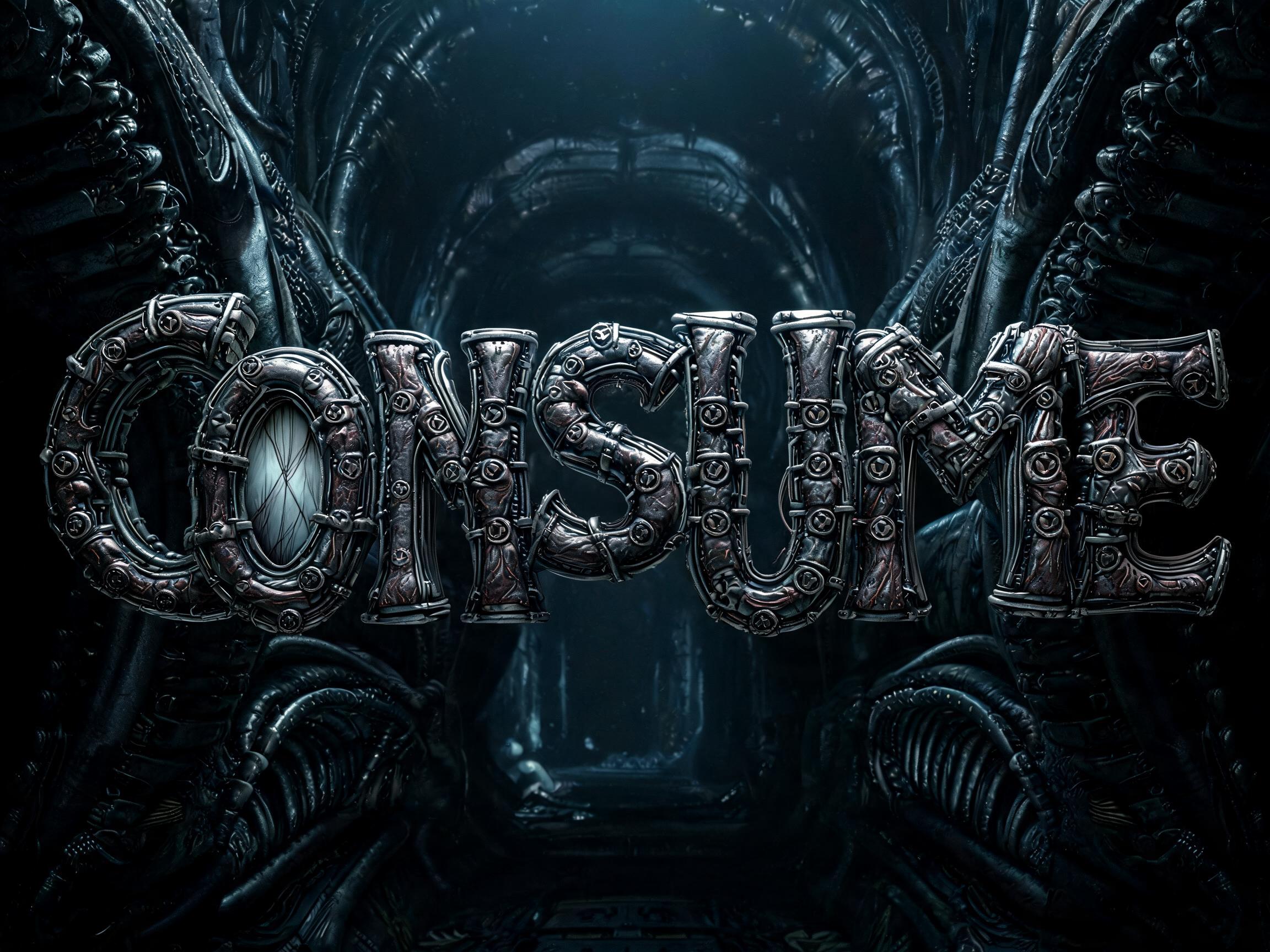
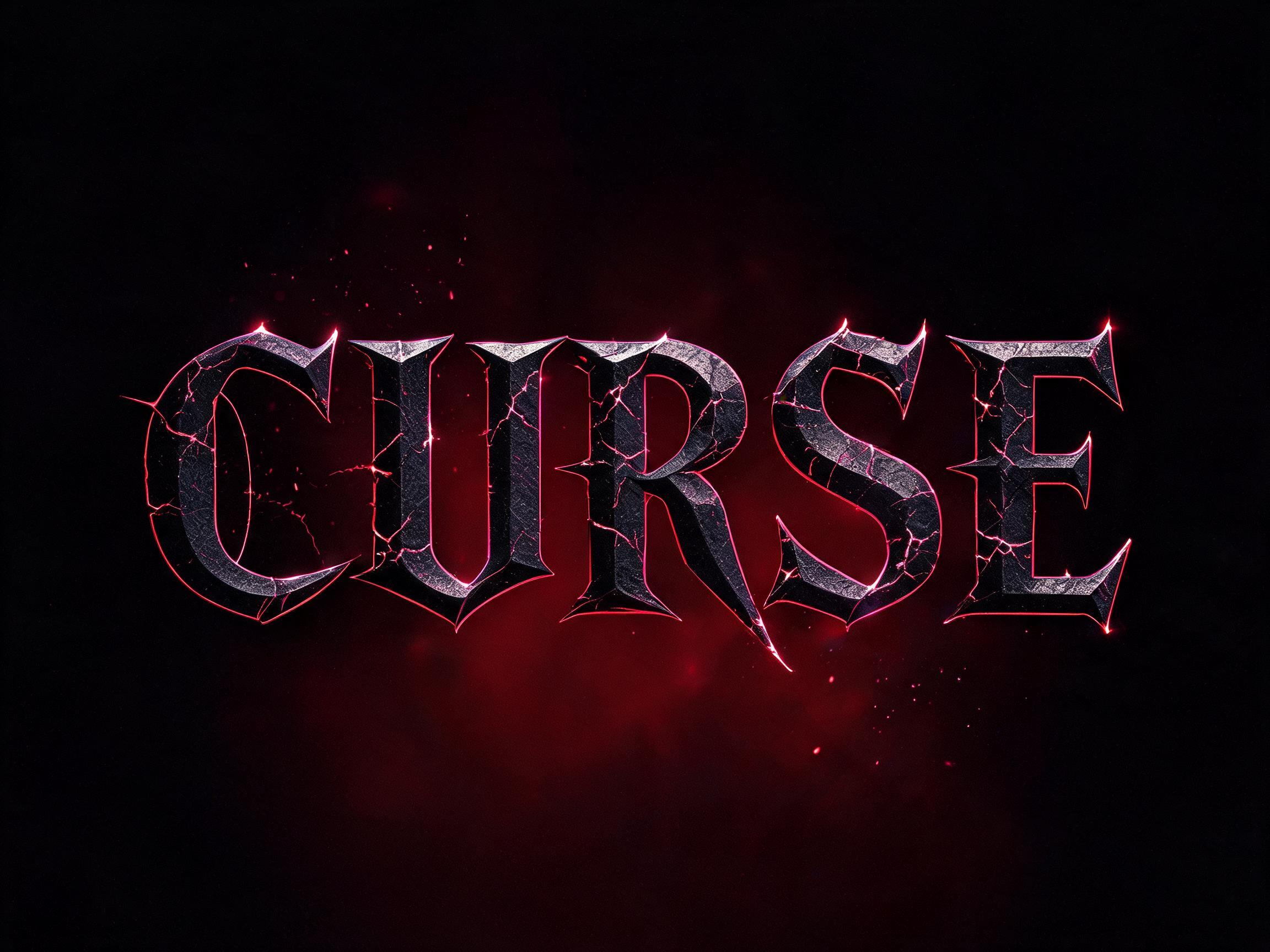

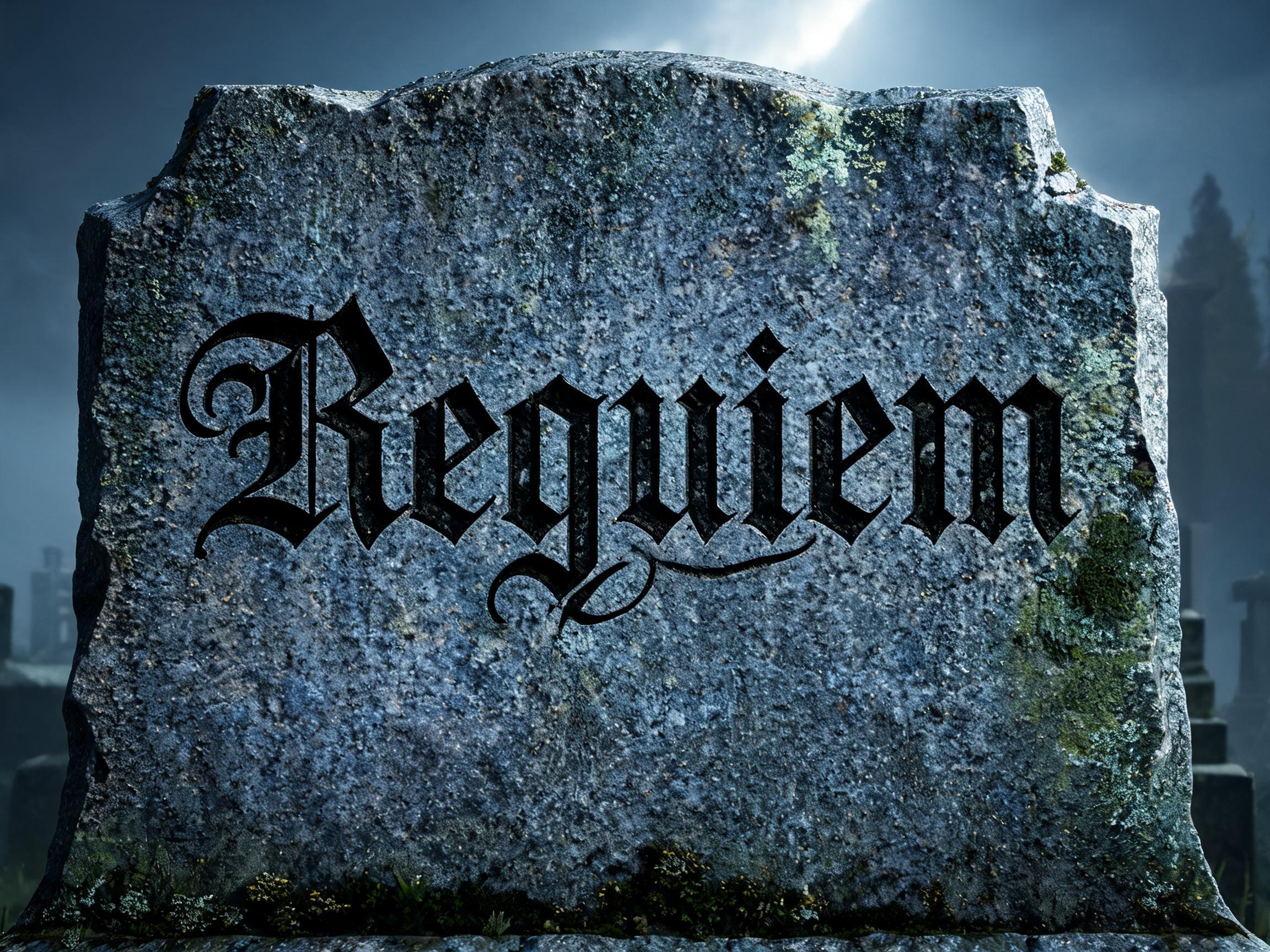
Fontes de IA para uma segunda linha, uma composição de logo ou o rodapé de um cartaz.
Letters built from real anatomy: vertebrae as uprights, rib arcs as bowls, phalanx joints as serifs. Pure skeletal typography — clinical, precise, and deeply unsettling.
Bio Mech Bone builds letters from real anatomy: vertebrae as uprights, rib arcs as bowls, phalanx joints as serifs. It is pure skeletal typography — clinical, precise and deeply unsettling, the register of horror, biomechanical and dark experimental design.
There is no installable file. You type your text and the generator assembles the bone letters fitted to your actual shapes, and returns a high-resolution image.
Horror and thriller titles, metal and dark-music artwork, biomechanical and sci-fi design, game and film graphics, tattoo layouts, dark experimental branding. Set it large so the anatomy reads.
Yes. Generated images may be used commercially, including posters, merch and video. No licence or attribution is required.
Because a skeleton is something the body is supposed to keep hidden inside, and seeing it exposed taps a deep, built-in reaction to death and injury. A skull or a set of bones is one of the most universal signals of mortality there is — bones are what remain of a body after death, so the sight of them cuts straight to the awareness that living things die, an awareness we are wired to find disquieting. There is also a bodily wrongness to it: the skeleton belongs on the inside, safely covered by flesh, so seeing it laid bare signals damage, decay or the aftermath of something violent — the body opened up when it should be whole. That instinctive recoil is older and faster than conscious thought; you feel the unease before you analyse it. Building letters from anatomically real bones exploits exactly that primal recognition, which is why the style reads as clinical and disturbing at the same time — the precision makes it feel like a real specimen, and the subject makes it feel like death.
For bone fused with cold steel, see Ossified Metal. For the biomechanical horror end, try Giger Grotesque.